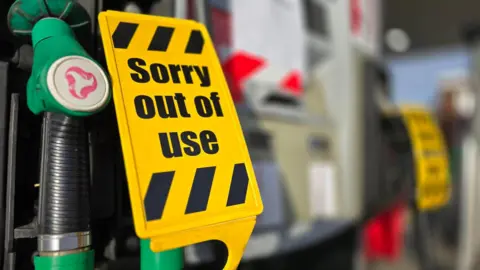
Reporting for 24x7 Breaking News. The world is grappling with a potent cocktail of geopolitical instability and surging energy costs, as conflict in the Middle East and the consequential disruption of critical shipping lanes, particularly the Strait of Hormuz—a vital artery for roughly 20% of global oil and natural gas—propel fuel prices to alarming heights. This sustained upward pressure on energy commodities is forcing governments worldwide to implement a diverse array of measures, from stringent rationing to subsidized public transportation, in a bid to shield their economies and populations from the immediate fallout.
- Global Economic Headwinds Intensify as Oil Prices Spike
- National Responses: From Austerity to Subsidies
- Strategic Realignments in the Face of Supply Shocks
- The Human Reality: Daily Life Under Energy Scarcity
- Our Take: A Stark Reminder of Global Interdependence and Vulnerability
- Frequently Asked Questions (FAQ)
- What is causing the current rise in oil prices?
- What are some of the measures governments are taking?
- How does this affect the average consumer?
- What is the long-term outlook for oil prices?
Global Economic Headwinds Intensify as Oil Prices Spike
The ripple effects of escalating tensions in the Middle East are being felt acutely across global markets. With the effective closure of the Strait of Hormuz, a chokepoint for a significant portion of the world's energy supply, crude oil prices have seen a dramatic surge in recent weeks. This situation presents a formidable challenge for economies heavily reliant on imported fuel, necessitating swift and often drastic policy interventions.
National Responses: From Austerity to Subsidies
In the United Kingdom, despite a significant reliance on natural gas and renewables for electricity generation, petrol prices have climbed to an 18-month peak, according to the RAC. The government has signaled its readiness to intervene should evidence of price gouging by fuel retailers emerge, a claim vehemently denied by the Petrol Retailers Association. For low-income households dependent on heating oil, a £53 million aid package announced in March offers some respite. Furthermore, tax cuts on petrol and diesel, coupled with the suspension of the National Oil Reserves Agency (NORA) levy, are aimed at alleviating the burden of rising energy costs, with a VAT-inclusive reduction in excise duty on green diesel also implemented. Heating support payments for social welfare recipients have been extended by four weeks.
Australia is experimenting with innovative public transport solutions. In Victoria, trains, trams, and buses are now free throughout April, encouraging commuters to forgo private vehicles. Tasmania has extended this initiative to buses, coaches, and ferries until the end of June, even making paid school bus services free. These measures come as the national average petrol price hit A$2.38 per liter on March 22, a significant jump from A$2.09 at the onset of the Middle East conflict, as reported by the Australian Institute of Petroleum.
Egypt, a nation heavily dependent on oil imports, has enacted a series of temporary measures to curb fuel consumption and manage its public finances. Businesses like shops, restaurants, and cafes must close by 9 PM for the next month, and street lighting is being dimmed to conserve energy, though hotels and tourist attractions are exempt. Non-essential workers are encouraged to work from home one day per week to reduce commuting. Paradoxically, the government has also raised petrol and public transport fares to bolster public finances, while simultaneously slowing down energy-intensive state projects and reducing government vehicle fuel allowances by nearly a third.
The Philippines, which imports 98% of its oil from the Gulf, is under a national emergency. The cost of diesel and petrol has more than doubled. The government is providing subsidies to transport drivers, reducing ferry services, and implementing a four-day work week for civil servants. President Ferdinand Marcos has declared that "nothing is off the table" as the nation plans to stockpile an additional million barrels of oil.
Sri Lanka, still recovering from a severe financial crisis and heavily reliant on Gulf states for fuel, has declared Wednesdays a public holiday for government institutions, including schools and universities, to conserve fuel. Fuel rationing is in effect, limiting individuals to 15 liters of fuel per week and motorcyclists to 5 liters.
Thailand is urging citizens to forgo air conditioning by asking them to wear lighter clothing, aiming to reduce overall energy consumption. Air conditioning units are to be set at 26-27 degrees Celsius, and government agencies are mandated to work from home. The government has directed fuel suppliers to prioritize security institutions, major government projects, key industries, and essential goods manufacturing.
In Ethiopia, the Oil and Energy Authority's directives have led petrol stations to prioritize public transport and implement other fuel conservation measures. Notably, in the Tigray region, where fears of renewed civil conflict loom, fuel supplies have been completely suspended.
Myanmar's junta has imposed a strict rationing system where private vehicles can only operate on alternate days based on their license plate numbers, with electric vehicles exempt. A digitally monitored system tracks fuel purchases via QR codes on vehicles, a move that follows allegations of a stolen election and the junta chief's nomination for the presidency, as previously reported by 24x7 Breaking News.
Strategic Realignments in the Face of Supply Shocks
These widespread governmental responses underscore a significant strategic shift occurring globally. Nations are being forced to re-evaluate their energy dependencies and explore more resilient supply chains. The reliance on volatile regions for essential commodities has been starkly exposed, prompting discussions about accelerating the transition to renewable energy sources and diversifying import strategies. This mirrors ongoing efforts in space exploration, where securing resources beyond Earth is becoming increasingly critical, as highlighted in our analysis of NASA's Artemis II mission. The disruption also has implications for global trade routes and alliances, potentially influencing geopolitical dynamics and trade policies, similar to how Russian oil tankers reaching Cuba are reshaping regional dynamics.
The situation also brings to the forefront the complex interplay between national security and economic stability. Measures taken by countries like the Philippines to secure oil stockpiles and the potential for further restrictions, as hinted by President Marcos, reflect a heightened sense of urgency. This echoes concerns about protecting vital energy infrastructure, such as Iran's oil lifeline, which could become a focal point in regional conflicts.
The Human Reality: Daily Life Under Energy Scarcity
For everyday citizens, the impact is immediate and tangible. The rising cost of fuel directly translates to higher prices for essential goods, from groceries to manufactured products, as transportation costs escalate. For many, especially those in lower-income brackets, the ability to commute to work, heat their homes, or even run essential errands becomes a significant financial strain. The implementation of fuel rationing, as seen in Sri Lanka, means difficult choices about daily movement and economic activity. Free public transport initiatives, while a welcome relief, can also lead to overcrowding and strain existing infrastructure. The calls for energy conservation, such as adjusting thermostat settings in Thailand, highlight how deeply ingrained energy consumption patterns are being challenged, forcing individuals and families to adapt their routines. This pervasive economic pressure, exacerbated by geopolitical events, can create widespread anxiety and hardship, underscoring the profound human cost of global energy instability.
Our Take: A Stark Reminder of Global Interdependence and Vulnerability
In our assessment, the current energy crisis is more than just an economic inconvenience; it's a profound wake-up call about our interconnected world and its inherent fragilities. The reliance on a few key regions for a fundamental resource like oil has proven to be a critical vulnerability, magnified by geopolitical conflict. While short-term measures like subsidies and rationing provide temporary relief, they do not address the underlying issues. We believe a sustained, global commitment to diversifying energy sources, investing heavily in renewable technologies, and fostering greater diplomatic cooperation is not merely prudent but essential for long-term stability. The current scramble for solutions highlights the urgent need for systemic change, moving away from fossil fuel dependency and towards a more sustainable and equitable energy future for all. The human dignity of those most affected by price hikes and shortages must remain at the forefront of all policy decisions, ensuring that the burden of this crisis does not fall disproportionately on the shoulders of the most vulnerable.
Frequently Asked Questions (FAQ)
What is causing the current rise in oil prices?
The primary drivers are geopolitical tensions in the Middle East, leading to disruptions in oil supply, and the consequential closure or threat to key shipping routes like the Strait of Hormuz.
What are some of the measures governments are taking?
Governments are implementing fuel rationing, offering subsidies for public transport, cutting fuel taxes, reducing energy consumption through public campaigns, and, in some cases, implementing work-from-home policies or adjusted business hours.
How does this affect the average consumer?
Consumers face higher prices at the pump, increased costs for goods and services due to higher transportation expenses, and potential difficulties in accessing fuel for daily needs.
What is the long-term outlook for oil prices?
The long-term outlook remains uncertain and is heavily dependent on the de-escalation of geopolitical conflicts, global economic recovery, and the pace of transition towards alternative energy sources.
The global scramble to mitigate the impact of soaring oil prices demonstrates the profound vulnerability of our energy systems to geopolitical shocks. As nations implement emergency measures, the true test will be our collective ability to transition towards a more resilient and sustainable energy future. So here's the real question — are we collectively prepared to make the necessary long-term investments in green energy and diplomacy to prevent future crises of this magnitude, or will we remain beholden to volatile fossil fuel markets?
This article was independently researched and written by Hussain for 24x7 Breaking News. We adhere to strict journalistic standards and editorial independence.
Comments
Post a Comment