A Troubling Chapter for a Sporting Icon
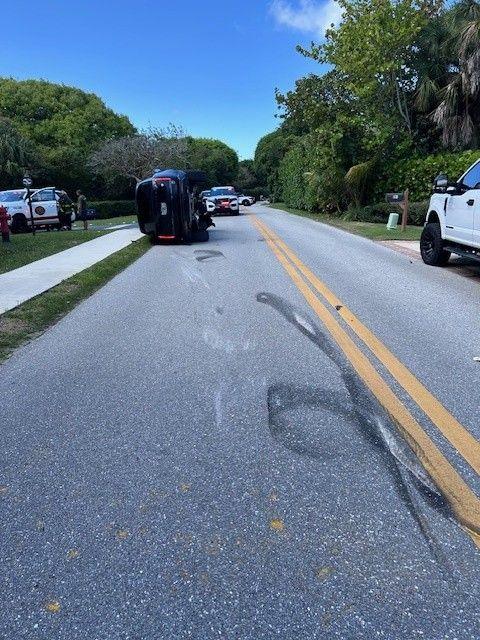
Golfing legend Tiger Woods was arrested Friday afternoon after his vehicle struck a utility truck and rolled over on a quiet road in Jupiter Island, Florida. Reporting for 24x7 Breaking News, we have confirmed through the Martin County Sheriff’s Office that the 15-time major champion faces charges of driving under the influence (DUI), property damage, and refusal to submit to a lawful chemical test.
- A Troubling Chapter for a Sporting Icon
- The Investigation and Legal Hurdles
- A Pattern of Physical and Personal Strife
- A Humanitarian Perspective: The Cost of Celebrity
- Frequently Asked Questions (FAQ)
- What are the specific charges against Tiger Woods?
- Was alcohol a factor in the accident?
- What is the status of his recovery?
- The Real-World Impact on Community Safety
The incident occurred just before 2:00 PM local time on Beach Road. Authorities report that Woods attempted to overtake a pressure-washing vehicle at a high rate of speed before losing control. While the 50-year-old athlete was forced to crawl through the passenger door of his wrecked Land Rover, miraculous reports indicate no other individuals were injured in the collision.
The Investigation and Legal Hurdles
Sheriff John Budensiek addressed the media in a press conference following the arrest, clarifying that while Woods exhibited clear signs of impairment during roadside sobriety tests, he successfully passed a breathalyzer test with a reading of "triple zeros." This has shifted the focus of investigators toward the possibility of an unidentified substance, though the official toxicology remains a mystery due to Woods' decision to decline a urine test.
"Mr. Woods did exemplify signs of impairment," Sheriff Budensiek stated, noting that officers were sensitive to his history of extensive surgeries and physical trauma. Despite the cooperation of the athlete at the scene, the legal ramifications of refusing a test are clear under Florida statute. As we previously covered in our reporting on the legal complexities surrounding high-profile criminal cases, the refusal to submit to testing creates an evidentiary vacuum that often complicates prosecution.
A Pattern of Physical and Personal Strife
For those who have followed the career of the man who defined modern golf, this news feels painfully familiar. Woods has spent the better part of a decade grappling with the physical toll of his sport, from severe back surgeries to the devastating 2021 crash near Los Angeles that nearly ended his career and his life. In 2017, he was found asleep at the wheel in a similar Florida incident, which later resulted in a reckless driving plea and a toxicology report revealing a cocktail of prescription medications.
This latest setback arrives at a particularly fragile moment. Having recently returned to the competitive stage at the TGL indoor league finals, Woods was eyeing a return to the Masters this April. Whether this arrest effectively ends his hopes of chasing a sixth Green Jacket remains to be seen, but the narrative of a man constantly fighting his own body—and his own demons—is one that has captivated and saddened the public for years.
A Humanitarian Perspective: The Cost of Celebrity
In our assessment of the situation, we must look beyond the tabloid headlines and the celebrity status. Tiger Woods is a human being who has endured more public scrutiny and physical pain than perhaps any other athlete in history. Our editorial team believes it is vital to approach this story with a measure of empathy; we are watching a man navigate immense pressure while recovering from severe orthopedic injuries, including an Achilles rupture just last year.
When we discuss these incidents, we must ask what systemic support exists for athletes who suffer such profound physical and psychological trauma. Wealth and fame are not shields against the human reality of addiction or the complications of long-term pain management. We advocate for a societal approach that prioritizes healing and dignity over the immediate urge to condemn, especially when the subject is clearly struggling with the weight of their own history.
Frequently Asked Questions (FAQ)
What are the specific charges against Tiger Woods?
Woods has been charged with driving under the influence (DUI), property damage, and the refusal to submit to a lawful chemical test, all of which are classified as misdemeanors.
Was alcohol a factor in the accident?
Authorities have explicitly stated they are not suspicious of alcohol. Woods passed a breathalyzer test with a result of 0.00% blood alcohol content.
What is the status of his recovery?
Woods has been on a slow recovery path following back surgery in October and an Achilles tendon rupture in March 2025. He only recently returned to limited competitive golf.
The Real-World Impact on Community Safety
While the focus remains on Woods, the underlying issue of road safety in our communities is paramount. High-speed maneuvers on residential roads—regardless of who is behind the wheel—pose a significant risk to workers like the driver of the pressure-washing truck involved here. We must consider the broader implications of distracted or impaired driving on the safety of everyday citizens who are simply trying to make a living.
As our newsroom continues to track chaotic infrastructure failures and public safety concerns, it becomes clear that the infrastructure of our daily lives is fragile. When public figures become involved in such events, it forces a conversation about the responsibilities of the elite and the safety of the public square. The collision serves as a grim reminder that no one is immune to the laws of physics or the consequences of poor decision-making behind the wheel.
We will continue to update this story as more details emerge regarding the toxicology findings and the legal proceedings. The Tiger Woods arrest marks a somber inflection point in an already tumultuous decade for the golfing icon. Is it time for us to stop treating these public figures with kid gloves and hold them to a stricter standard of public safety, or does his personal history of trauma warrant a more compassionate approach from the media and the courts?
This article was independently researched and written by Hussain for 24x7 Breaking News. We adhere to strict journalistic standards and editorial independence.
Comments
Post a Comment