The High-Stakes Calculus of a Ten-Day Pause
Reporting for 24x7 Breaking News, we have been tracking the latest developments regarding the escalating conflict in the Middle East. President Donald Trump has officially paused any planned strikes against Iranian energy infrastructure for a further ten-day window. This move comes at a time when global markets are reeling and the shadow of a wider, more destructive war looms larger than ever.
- The High-Stakes Calculus of a Ten-Day Pause
- Market Volatility and the Diplomatic Smoke Screen
- The Logistics of War: Buying Time for Deployment
- The Real-World Impact: Beyond the Bottom Line
- A Humanitarian Perspective: The Cost of Geopolitical Brinkmanship
- Frequently Asked Questions (FAQ)
- What does this ten-day pause actually mean for the markets?
- Why is the Strait of Hormuz so critical to this conflict?
- Are formal negotiations currently underway between the U.S. and Iran?
- The Path Forward
While the White House frames this delay as a diplomatic opening, observers are noting the strategic fluidity of the administration's deadlines. As we first noted in our report on Trump's high-stakes dilemma as the Iran war stretches beyond initial projections, the president’s commitment to these timelines remains highly negotiable. This is the second time the administration has pushed back its threat of “obliteration” regarding Iran’s oil assets, a move that suggests a calculated attempt to manage domestic and international market volatility.
Market Volatility and the Diplomatic Smoke Screen
The timing of the announcement—arriving just minutes after the closing bell on Wall Street—speaks volumes. By signaling a pause, the administration is clearly attempting to soothe investor anxieties regarding potential spikes in oil prices. However, the geopolitical risk remains extreme. The conflict, now entering its fourth week, has effectively shuttered the Strait of Hormuz to the majority of merchant shipping, creating a bottleneck that threatens global economic stability.
We have reached out to various diplomatic sources who describe the current communication channels as fragile. While messages are purportedly being exchanged via intermediaries like Pakistan, there is deep skepticism regarding whether these talks can yield a concrete, sustainable peace. One diplomat, speaking on condition of anonymity, described the current environment as a game of “smoke and mirrors,” where both Washington and Tehran are clinging to maximalist demands that leave little room for compromise.
The Logistics of War: Buying Time for Deployment
While the administration emphasizes diplomacy, the movement of military assets tells a different story. An expeditionary force of roughly 2,000 U.S. Marines is currently en route from Japan, and thousands of paratroopers are mobilizing from California. These deployments take time, and the tactical pause provides the Pentagon with the necessary window to position these forces for a potential offensive.
The silence from the Pentagon regarding reports of a potential 10,000-troop surge has only fueled speculation about the endgame. Is this a genuine attempt at de-escalation, or is the administration merely buying time to stage a more decisive military strike? When questioned about his stance, President Trump remained characteristically blunt, stating, “If they don’t do a deal, we’re their worst nightmare. We’ll just keep blowing them away.”
The Real-World Impact: Beyond the Bottom Line
For everyday Americans, this conflict is no longer a distant abstraction. We are already seeing the ripple effects in the cost of fuel and consumer goods, which are tied directly to the stability of energy transit through the Middle East. As we explored in our analysis of whether India's piped gas network can survive the escalating Iran war, the vulnerabilities in global infrastructure are profound. Families are feeling the pinch at the pump, and small business owners are bracing for further supply chain disruptions that could stifle economic growth.
A Humanitarian Perspective: The Cost of Geopolitical Brinkmanship
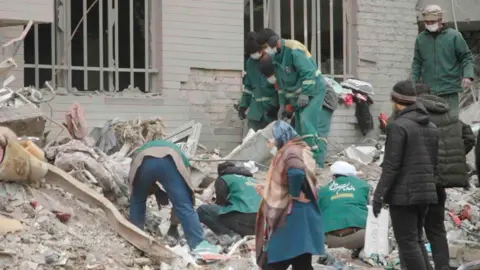
As journalists, we believe it is essential to look past the troop movements and stock charts to the human cost of this brinkmanship. Every day this conflict continues, innocent civilians in the region face the threat of displacement, injury, and the total collapse of their livelihoods. The rhetoric of “obliteration” and “nightmares” ignores the profound suffering that war inflicts upon the most vulnerable populations.
We advocate for a diplomatic path that prioritizes human dignity and the preservation of life over the control of shipping lanes or industrial assets. The cycle of retaliation—from the military strikes we have already witnessed to the potential for a wider regional conflagration—only serves to deepen the trauma of a region that has known too much instability. True strength, in our editorial view, lies not in the capacity to destroy, but in the courage to engage in meaningful, good-faith dialogue that addresses the root causes of this suffering.
Frequently Asked Questions (FAQ)
What does this ten-day pause actually mean for the markets?
The pause is intended to prevent immediate panic in oil markets, providing a temporary reprieve from fears of total supply disruption. However, markets remain extremely volatile as investors wait to see if the ten-day window will lead to a breakthrough or a renewed military offensive.
Why is the Strait of Hormuz so critical to this conflict?
The Strait is one of the world's most important maritime chokepoints, through which a significant percentage of the world's oil transits daily. Its closure has effectively paralyzed a critical artery of the global economy, making it the focal point of the current military strategy.
Are formal negotiations currently underway between the U.S. and Iran?
While official reports suggest that messages are being exchanged through intermediaries like Pakistan, there is little evidence of direct, high-level diplomatic progress. Most analysts remain skeptical that a breakthrough is imminent.
The Path Forward
The current status quo—marked by ongoing military exchanges and the continued blockage of vital waterways—is unsustainable. The administration’s gamble to buy time through these rolling deadlines may provide temporary political cover, but it does little to resolve the underlying tension that threatens to engulf the region. So here is the real question: If these ten days pass without a breakthrough, does the United States have a plan for peace, or are we simply sleepwalking into a regional war that no one is truly prepared to manage?
This article was independently researched and written by Hussain for 24x7 Breaking News. We adhere to strict journalistic standards and editorial independence.
Comments
Post a Comment