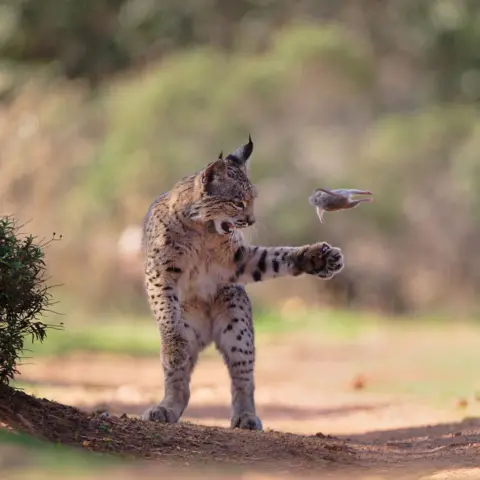
The Unexpected Winner: A Moment of Play Elevates an Endangered Species
Reporting for 24x7 Breaking News, we are covering a story that offers a rare moment of levity and profound hope amidst the grim headlines dominating our feeds. The Wildlife Photographer of the Year People's Choice Award 2026 has been claimed not by a scene of epic struggle, but by an intimate, almost whimsical display of nature: a young Iberian lynx batting a rodent skyward. This striking image, titled Flying Rodent, shot by Austrian photographer Josef Stefan, has resonated globally, pulling the endangered wildcat into the international spotlight.
- The Unexpected Winner: A Moment of Play Elevates an Endangered Species
- From Brink of Extinction to Public Favorite: The Strategic Value of Visibility
- A Global Gallery of Resilience and Fragility
- THE REAL-WORLD IMPACT: From Conservation Budgets to Public Awareness
- EDITORIAL PERSPECTIVE: The Power of the Pause in a World of Perpetual Crisis
- Frequently Asked Questions (FAQ)
- What is the current conservation status of the Iberian Lynx?
- How many people voted in the Wildlife Photographer of the Year competition?
- Where was the winning photograph taken?
The winning photograph was captured in Spain's Ciudad Real province, specifically near Torre de Juan Abad, where Stefan endured a two-week stakeout. Stefan described the incredible sequence to the BBC, noting the young lynx engaged in this bizarre behavior—tossing and catching its prey—for nearly 20 minutes. He noted the animal stood on its hind legs, entirely absorbed, giving the prey the illusion of flight. This playful moment, as reported by the original source we reviewed, offers a stark contrast to the constant coverage of systemic crises, like the recent energy emergency declared by Marcos amid oil shocks, which affect millions globally.
From Brink of Extinction to Public Favorite: The Strategic Value of Visibility
The choice of the Iberian lynx for the People's Choice Award is more than just a feel-good story; it’s a powerful, organic marketing victory for conservation efforts. The Iberian lynx, one of the world's rarest felids, teetered on the edge of oblivion in the early 2000s. Estimates placed the remaining population below 100 individuals, a catastrophic collapse that required intensive, multinational intervention.
Thanks to dedicated reintroduction programs and long-term habitat management, the population has since swelled to over 2,000 animals. Yet, as the International Union for Conservation of Nature still classifies them as 'vulnerable,' sustained public attention remains crucial for funding and political support. This photograph, drawing a record-breaking 85,917 votes, has provided an unparalleled platform for this narrative.
We see this pattern repeatedly: high-profile media moments often drive real-world funding shifts. Think about how quickly public interest—and subsequent legislative action—can mobilize when an issue becomes visually compelling, whether it’s the plight of a single rare cat or the ongoing fight for fair wages, such as the recent ABC Journalists Strike over AI and pay.
A Global Gallery of Resilience and Fragility
The remaining 24 nominees for the Nuveen People's Choice Award paint a broader, often starker picture of the current ecological state. Our editorial team found the juxtaposition fascinating, moving abruptly from the playful lynx to scenes of profound environmental stress.
For instance, one finalist captured a mother polar bear and her three cubs pausing along the Hudson Bay coast. This image speaks volumes about the immediate threat of shrinking sea ice, forcing these majestic animals into ever-more precarious hunting grounds. Another haunting entry featured a polar bear cub traveling with its mother in Svalbard, an image that, tragically, might be their last captured moment, as the mother was later found dead and the cub succumbed to aggression after being disturbed by nearby human habitation.
Other nominated images highlighted global biodiversity challenges. We saw lesser flamingos gathered beneath power lines in Namibia, suggesting industrial encroachment on fragile ecosystems. Contrast that with the image of a pale giant otter in Brazil’s Pantanal, leucistic yet thriving, which highlights the strange beauty that persists even as larger threats loom, such as the global freshwater fish collapse that the UN is scrambling to address.
THE REAL-WORLD IMPACT: From Conservation Budgets to Public Awareness
For the average American taxpayer, this story might seem distant, confined to Spanish forests and London museums. But the visibility generated by this award has tangible effects on how conservation budgets are allocated globally. When a species like the Iberian lynx achieves this level of public affection, it becomes easier for NGOs and governments to solicit matching funds for anti-poaching patrols or habitat restoration.
Consider the sheer optics: the five winning and highly commended images will be displayed at London's Natural History Museum until July 12, 2026. This exposure translates directly into tourism revenue for conservation areas and increases the political capital of environmental advocates worldwide. This is how soft power works in the ecological sphere; a beautiful picture can sometimes achieve more than a lengthy policy paper.
This cultural moment can also offer a needed mental break. In a world saturated with news of infrastructural failure, like the reports concerning Colombian military plane scrap metal, or political instability, this reminder of natural wonder gives people a reason to engage positively with global issues rather than simply tuning out due to overwhelming negativity.
EDITORIAL PERSPECTIVE: The Power of the Pause in a World of Perpetual Crisis
In our view here at 24x7 Breaking News, what makes Flying Rodent so powerful is its authenticity. It wasn't staged; it was a fleeting moment of pure, unadulterated animal behavior captured by a patient observer. This speaks volumes about the required mindset for true progress, whether in conservation or in governance. We spend so much time focusing on the failures—the near misses, the tragedies like the discovery of bodies in the Kericho mass grave—that we often fail to celebrate the quiet victories.
This lynx, once facing annihilation, is now a global celebrity thanks to an Austrian photographer’s lens. It’s a testament to the fact that when we dedicate resources and will, recovery is possible. However, we must remain vigilant. The threats haven't vanished; they’ve just been temporarily overshadowed by a cute predator. We must ensure that the attention garnered by this single image translates into sustained, systemic commitment to protecting vulnerable species everywhere, not just the photogenic ones. The fate of the world's rarest wildcats demands more than just a popular vote; it demands policy changes.
Frequently Asked Questions (FAQ)
What is the current conservation status of the Iberian Lynx?
- The Iberian lynx remains classified as a vulnerable species by the International Union for Conservation of Nature (IUCN), despite significant population growth from its low point.
How many people voted in the Wildlife Photographer of the Year competition?
- The 2026 People's Choice Award saw a record-breaking 85,917 votes cast globally by nature photography enthusiasts.
Where was the winning photograph taken?
- The image was captured during a two-week assignment in Torre de Juan Abad, located in Spain's Ciudad Real province, a known habitat for the species.
The playful antics of the Iberian lynx have successfully drawn global attention to species recovery, proving that moments of unexpected joy can carry significant conservation weight. Now that this endangered predator has captured the public's heart, the real question for policymakers and investors is:
Will this viral success translate into the long-term, boring, consistent funding required to pull the species fully out of 'vulnerable' status for good?This article was independently researched and written by Hussain for 24x7 Breaking News. We adhere to strict journalistic standards and editorial independence.
Comments
Post a Comment