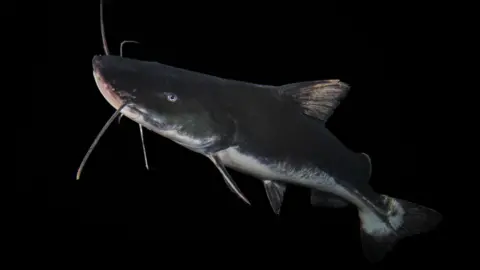
The Silent Crisis Beneath the Surface: Migratory Fish Populations Plummet 81%
Reporting for 24x7 Breaking News, we are tracking a startling environmental and economic emergency: freshwater migratory fish populations have crashed by an estimated 81% over the last fifty years. This catastrophic decline, driven by infrastructure like dams and rampant overfishing, has pushed dozens of vital species toward oblivion, prompting the United Nations to prioritize 30 flagship species for immediate global protection.
- The Silent Crisis Beneath the Surface: Migratory Fish Populations Plummet 81%
- Infrastructure, Overfishing, and the Barricaded Lifeline
- Icons of the River Face Existential Threats
- The Diplomatic Race to Add Fish to the CMS Treaty
- THE REAL-WORLD IMPACT: From Rivers to Kitchen Tables
- EDITORIAL PERSPECTIVE: Valuing the Unseen Engines of Nature
- Frequently Asked Questions (FAQ)
- What is the most threatened migratory fish species mentioned?
- Why are dams such a specific threat to these fish?
- What is the Convention on Migratory Species (CMS)?
This isn't just an ecological footnote; it's a massive threat to global food security and cultural heritage. The UN's latest assessment, vastly expanded since its 2011 review, scrutinized over 15,000 species of freshwater migratory fish—half of all known fish species on Earth. This comprehensive data set underscores a crisis long ignored by policymakers focused on terrestrial or marine megafauna.
Infrastructure, Overfishing, and the Barricaded Lifeline
The primary culprits identified by the international scientific team are depressingly familiar: habitat fragmentation and unsustainable extraction. Dams, weirs, and even small culverts act as insurmountable walls, severing the ancient connection these fish need to reach critical spawning grounds.
Dr. Zeb Hogan, a co-author of the pivotal report and Professor of Biology at the University of Nevada, Reno, emphasized the sheer scale of the life supported by these creatures. He noted that freshwater fish sustain the livelihoods and diets of hundreds of millions of people globally. We're talking about immense diversity, from South America's vibrant Golden Dorado to tropical eels migrating thousands of miles across Oceania.
The threat level is so severe that the International Union for the Conservation of Nature (IUCN) data compilation led to the identification of 325 fish requiring urgent listing under a global conservation agreement. Out of this list, 30 have been selected as top priorities due to their dual status: being critically threatened and culturally indispensable.
Icons of the River Face Existential Threats
Consider the Golden Mahseer, often called the “tiger of the river” in the Himalayas. Michele Thieme, Deputy Lead for Freshwater at World Wildlife Fund US and a report contributor, explained that this fish holds deep spiritual value far exceeding its market price in many Himalayan communities. Yet, like so many others on this urgent list, it is being hammered by habitat destruction and relentless fishing pressure.
The barrier issue is acutely visible in places like Europe. According to Dr. Janina Gray, Head of Science at the environment charity WildFish, migrating fish encounter a man-made barrier—sometimes just a small, obsolete weir—on average every single kilometer of their route. That cumulative energy drain makes them weaker, more prone to disease, and less likely to successfully reproduce.
We’ve seen similar patterns of institutional neglect before, especially when issues don't involve charismatic megafauna. It reminds us of the ongoing battles journalists faced when demanding better terms, as seen during the ABC Journalists Strike for First Time in 20 Years Over AI and Pay. When essential workers—whether human or aquatic—are undervalued by the system, the resulting collapse is predictable and tragic.
The Diplomatic Race to Add Fish to the CMS Treaty
Because these epic journeys cross national boundaries, recovery demands international cooperation. The UN is now pushing for these 30 priority fish to be officially added to the Convention on Migratory Species (CMS), a global treaty established in 1979. This listing, proposed for the meeting three years from now, mandates coordinated government action.
The success story of the Saiga antelope offers a glimmer of hope. After a devastating mass die-off in 2015, listing under the CMS allowed for an international anti-poaching framework, helping the population rebound to over a million today. Amy Fraenkel, the UN Executive Secretary for the CMS, acknowledged the historical bias:
The focus has clearly been on some of the more well known, more visible species, such as the big cats, on antelope, on whales, on dolphins.
Her admission underscores a systemic issue: conservation funding and political will often follow visibility, leaving behind species that are less photogenic but equally crucial to ecosystem health.
THE REAL-WORLD IMPACT: From Rivers to Kitchen Tables
For ordinary Americans and families globally, the disappearance of these species translates directly into economic instability and loss of cultural touchstones. When migratory fish stocks collapse, the ripple effect hits small-scale fishers first, threatening their immediate income streams. For coastal communities dependent on species like the Atlantic Salmon, reduced populations mean lost jobs in guiding, processing, and local tourism.
Furthermore, these fish play vital roles in nutrient cycling within river systems. Their absence means poorer water quality and reduced ecological resilience, potentially driving up the costs associated with municipal water treatment down the line. We must recognize that environmental stewardship isn't a luxury; it’s fundamental infrastructure for healthy communities. Neglecting these invisible populations is effectively creating future liabilities for taxpayers.
EDITORIAL PERSPECTIVE: Valuing the Unseen Engines of Nature
In our view, this entire report serves as a profound indictment of how modern industrial development prioritizes short-term concrete gains over long-term ecological stability. It’s easy to champion the cause of a whale or a snow leopard; they are majestic, easily marketable symbols of wilderness. But these humble, hard-working river fish—the golden mahseer, the lamprey—are the true, unsung workhorses of our freshwater economies.
We wholeheartedly support the immediate inclusion of these 30 species into the CMS framework. Waiting three years for the next annual meeting feels dangerously complacent when populations are dropping this fast. Governments must find a way to accelerate protections, treating these migrations as the critical, cross-border economic corridors they truly are. It demands that national planning boards stop viewing rivers as simple conduits for water or power generation and start seeing them as living, breathing systems supporting human dignity. The failure to protect these life-giving species reflects a fundamental moral failure in our stewardship of the planet.
Frequently Asked Questions (FAQ)
What is the most threatened migratory fish species mentioned?
- The report prioritizes 30 species, including the Golden Mahseer and various lampreys, based on a combination of high threat level and cultural significance to global communities.
Why are dams such a specific threat to these fish?
- Dams physically block fish from reaching their ancestral spawning grounds, effectively cutting off their reproductive cycle and leading to population crashes, even if the fishing pressure itself is managed.
What is the Convention on Migratory Species (CMS)?
- The CMS is a global UN treaty committing signatory nations to coordinate efforts to protect species that travel across national borders, exemplified by past successes with land mammals like the Saiga antelope.
The catastrophic 81% drop in freshwater migratory fish signals an urgent need for international regulatory overhaul, moving beyond charismatic wildlife to protect the foundations of aquatic life. When will global regulatory bodies finally prioritize essential ecosystem services over short-term infrastructure gains?
This article was independently researched and written by Hussain for 24x7 Breaking News. We adhere to strict journalistic standards and editorial independence.
Comments
Post a Comment