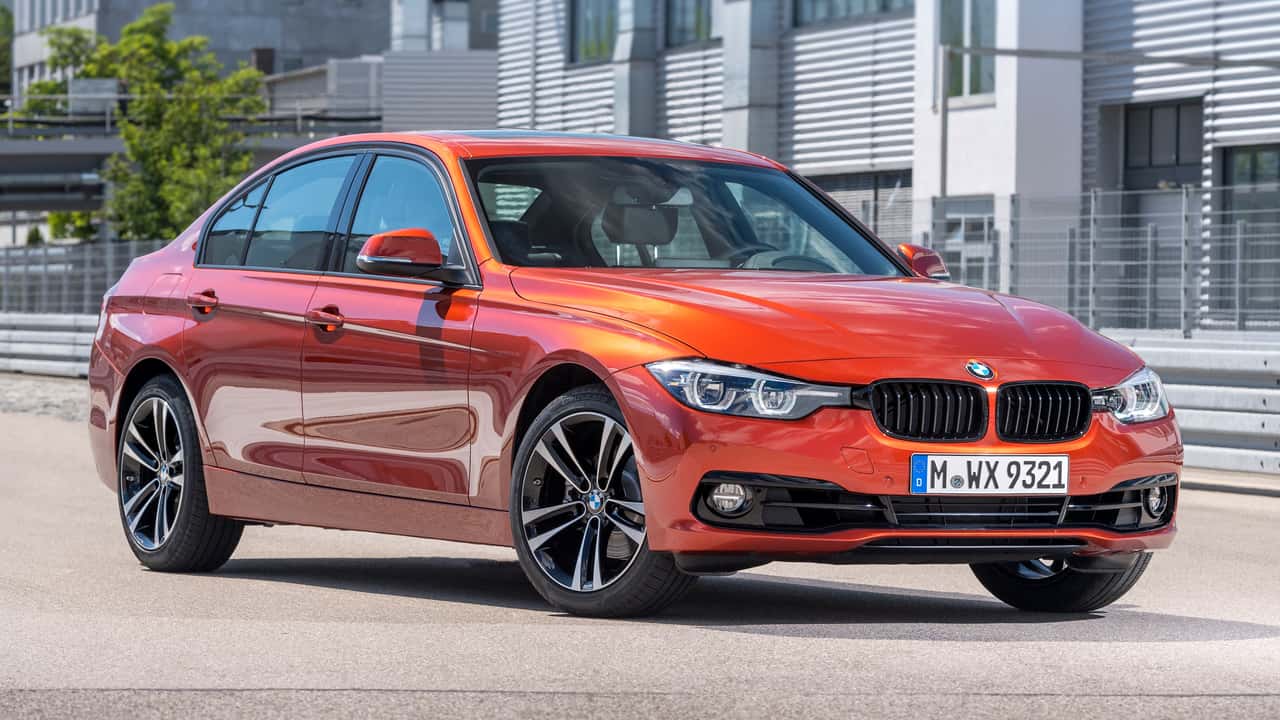
Reporting for 24x7 Breaking News, we've just learned of a significant setback for one of Germany's most revered automotive titans. BMW has issued a sweeping recall for approximately 189,130 of its popular 3, 5, and 7 Series luxury sedans over a potentially catastrophic starter relay fire risk. This isn't just about a faulty component; it's about the very real danger of an uncontrolled blaze, casting a long shadow over the brand's reputation for engineering excellence and meticulous quality control.
- Under the Hood: Deconstructing the Starter Relay's Critical Role
- A Shadow Over Bavaria's Finest: The Impact on 3, 5, and 7 Series Owners
- Navigating the Recall Labyrinth: What Owners Need to Know
- The Broader Landscape of Automotive Safety and Manufacturer Accountability
- Editorial Perspective: When Prestige Meets Peril
- Frequently Asked Questions (FAQ)
- Which BMW models are affected by this recall?
- What is a starter relay and why is its failure a fire risk?
- What should BMW owners do if their vehicle is part of this recall?
- How common are fire-related recalls in luxury vehicles?
For hundreds of thousands of BMW owners, this news arrives as a deeply unsettling alarm. A critical electrical component, essential for simply starting the vehicle, now poses a serious safety hazard. The scale of this recall underscores a persistent challenge within the complex world of modern automotive manufacturing, where even premium marques can encounter widespread, dangerous defects.
Under the Hood: Deconstructing the Starter Relay's Critical Role
To understand the gravity of this recall, we must first appreciate the humble yet vital role of the starter relay. This small, often overlooked component acts as a switch, channeling high-amperage current from the battery to the starter motor when you turn the ignition key. Without it, your BMW is little more than an expensive paperweight.
When a starter relay fails, especially in a manner that causes a fire risk, it typically involves an internal short circuit or excessive resistance. This can lead to overheating, melting of adjacent plastics, and, in the worst-case scenario, ignition of flammable materials within the engine bay. Modern vehicles, packed with intricate wiring harnesses and sophisticated electronics, provide ample fuel for such an event.
The complexity of BMW's electrical architecture, known for its performance-oriented design, paradoxically introduces more points of potential failure. A defect in one seemingly minor part can cascade into a major safety concern, impacting systems far beyond just the starting sequence. This is a reminder that even the most advanced engineering relies on the integrity of every single component.
A Shadow Over Bavaria's Finest: The Impact on 3, 5, and 7 Series Owners
The affected models — the venerable 3 Series, the executive 5 Series, and the flagship 7 Series — represent the very core of BMW's global sales and brand identity. These are not entry-level vehicles; they are performance luxury machines, often purchased for their blend of driving dynamics, sophisticated technology, and perceived reliability.
For owners who invested heavily in a vehicle promising 'The Ultimate Driving Machine' experience, the notion of a spontaneous engine bay fire is deeply troubling. It undermines the fundamental trust placed in a brand that commands premium prices for its supposed superior engineering. We've seen similar unexpected quality control issues impact other major players, such as when Tesla's Model Y faced a surprising EPA range boost after calibration errors, highlighting that no automaker is immune to manufacturing or design oversight.
This recall means more than just a trip to the dealership; it signifies a breach of the unspoken contract between manufacturer and consumer. Owners expect, rightfully so, that a vehicle designed for high performance and luxury should first and foremost be safe and dependable. The inconvenience of scheduling repairs, the anxiety of driving a potentially compromised vehicle, and the potential impact on resale value all weigh heavily on the affected population.
Navigating the Recall Labyrinth: What Owners Need to Know
BMW is expected to contact affected owners directly with instructions on how to proceed. However, we urge all owners of 3, 5, and 7 Series models from the implicated production years (which will be specified in official recall notices from NHTSA) to proactively check their Vehicle Identification Number (VIN) on the BMW recall website or the National Highway Traffic Safety Administration (NHTSA) database.
Upon notification, owners will be instructed to bring their vehicles to an authorized BMW dealership. Technicians will inspect and, if necessary, replace the faulty starter relay, likely free of charge. It's crucial not to delay this repair; a potential fire risk is not something any driver should take lightly. Your safety, and the safety of those around you, depends on prompt action.
The Broader Landscape of Automotive Safety and Manufacturer Accountability
Recalls are an unfortunate, yet necessary, part of the automotive industry. They serve as a critical mechanism for manufacturers to rectify defects that could endanger the public. However, the sheer volume and severity of some recent recalls, including this BMW issue, prompt us to question the efficacy of pre-production testing and ongoing quality surveillance.
Regulatory bodies like NHTSA play a vital role in overseeing automotive safety, compelling manufacturers to address known defects. Yet, the initial identification of these issues often comes from consumer complaints, field reports, or internal investigations, sometimes after incidents have already occurred. This raises concerns about how quickly and effectively dangerous defects are identified and remedied.
We've witnessed how profoundly safety issues can impact public perception and legal precedent, as seen in manslaughter charges brought against a Tesla driver in a Texas crash reframing autonomous liability. While different in nature, both scenarios underscore the immense responsibility automakers bear in ensuring their vehicles are not just technologically advanced, but fundamentally safe for every mile driven. The focus must always remain on consumer protection, pushing for proactive measures rather than reactive fixes.
Editorial Perspective: When Prestige Meets Peril
In our view, this extensive BMW recall is more than just a mechanical hiccup; it's a stark reminder that even at the pinnacle of automotive engineering, fundamental safety can be compromised. For a brand like BMW, which prides itself on precision and performance, a starter relay fire risk involving nearly 200,000 vehicles is a significant blow to its carefully cultivated image. We believe that consumers, especially those investing in luxury vehicles, have an absolute right to expect uncompromising safety and reliability.
What concerns us most is the potential for serious harm before these vehicles can be repaired. A fire in an engine bay is not a minor inconvenience; it's a life-threatening event. This incident calls into question the robustness of BMW's component sourcing and quality assurance processes, particularly for such a basic, yet critical, electrical component. We must demand greater transparency and more stringent pre-market testing from all automakers, not just when a defect emerges, but as a standard operating procedure.
This isn't an isolated incident in the industry, but it's a particularly painful one for BMW owners. Our editorial team urges the company to act swiftly and decisively, ensuring that every affected vehicle is remedied without delay, and that communication with owners is clear, comprehensive, and reassuring. The true test of a premium brand isn't just in its performance, but in how it handles adversity and prioritizes the safety of its loyal customer base.
Frequently Asked Questions (FAQ)
Which BMW models are affected by this recall?
Initial reports, based on the headline information, indicate the recall impacts approximately 189,130 BMW 3, 5, and 7 Series luxury sedans. Specific model years and chassis codes will be detailed in official recall notices from BMW and NHTSA.
What is a starter relay and why is its failure a fire risk?
A starter relay is an electrical switch that sends power from the battery to the starter motor when you turn your car on. If it malfunctions due to an internal short or excessive resistance, it can overheat, melt surrounding components, and potentially ignite flammable materials in the engine bay, leading to a fire risk.
What should BMW owners do if their vehicle is part of this recall?
Owners should await official notification from BMW, or proactively check their vehicle's VIN on the BMW recall website or the NHTSA database. Once confirmed, contact an authorized BMW dealership immediately to schedule the necessary, free-of-charge repair.
How common are fire-related recalls in luxury vehicles?
While less frequent than minor component recalls, fire-related recalls do occur across the automotive industry, including in luxury segments. They are considered among the most serious types of defects due to the severe safety implications, often leading to widespread and urgent repair campaigns.
This extensive BMW recall fire risk serves as a potent reminder that even highly engineered luxury vehicles are not immune to critical safety flaws, placing a heavy burden of responsibility on manufacturers and a significant concern for nearly 200,000 owners. What does this mean for the long-term perception of BMW's unwavering commitment to quality, and how should automakers be held more accountable for preventing such dangerous defects before they ever reach the consumer?
This article was independently researched and written by Hussain for 24x7 Breaking News. We adhere to strict journalistic standards and editorial independence.
Comments
Post a Comment