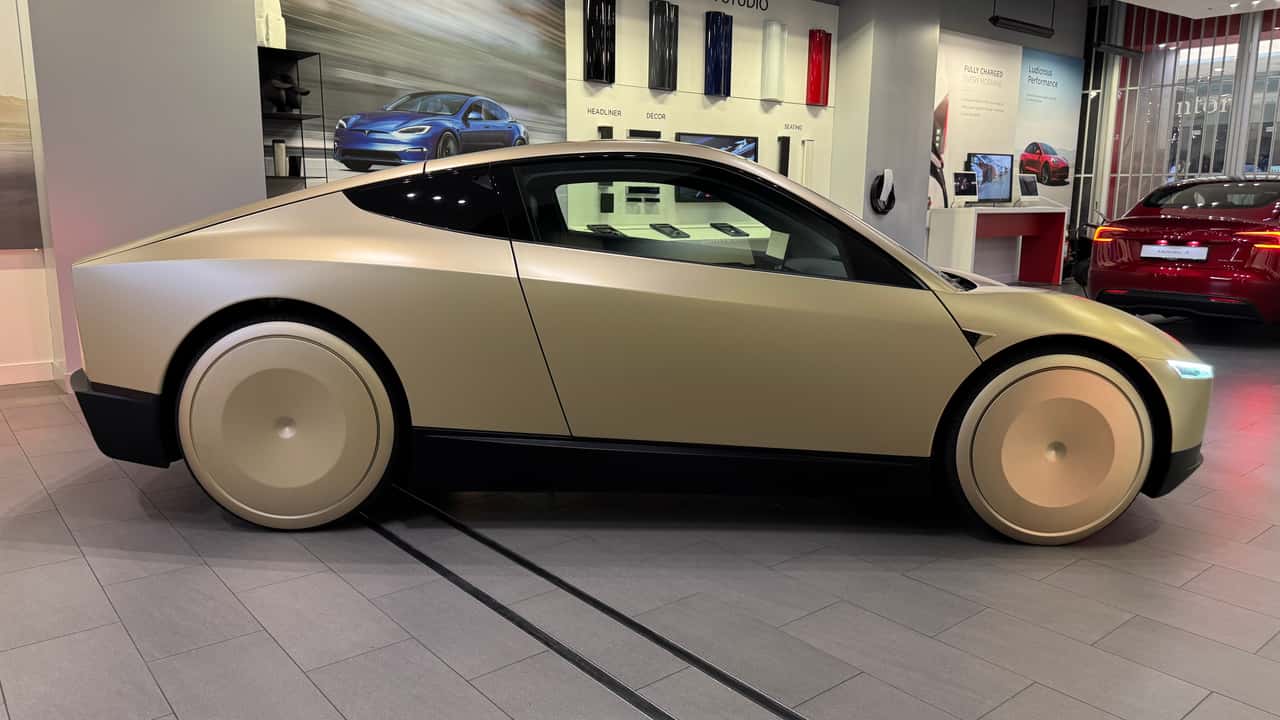
When Tesla's steering-wheel-free Cybercab officially hits the asphalt in Austin on September 3, we are not just witnessing the rollout of another high-tech commuter pod; we are watching a massive, high-stakes gamble on the future of human transportation. Reporting for 24x7 Breaking News, our editorial team has spent weeks analyzing the regulatory hurdles, technological leaps, and very real consumer safety questions surrounding this unprecedented launch. Autonomous vehicle promises have historically over-delivered in corporate slide decks and under-delivered on unpredictable city streets, making this upcoming Lone Star State debut a litmus test for the entire mobility sector.
- The Engineering Anatomy of a Cabin Without Controls
- Navigating the Regulatory and Urban Labyrinth
- Our Editorial Perspective on the Autonomous Future
- Frequently Asked Questions (FAQ)
- Does the Tesla Cybercab have any manual steering backups?
- When and where is the official launch happening?
- How do passengers interact with the vehicle during the ride?
The Engineering Anatomy of a Cabin Without Controls
To understand the magnitude of this vehicle release, we must first look at the radical engineering philosophy governing its design. According to technical documentation and public disclosures tracked across industry reports, the autonomous taxi strips away every traditional physical interface—leaving behind no steering wheel, no manual brake pedals, and no backup driver controls whatsoever. Passengers step into a minimalist cabin dominated entirely by a central touchscreen display, relying completely on Tesla’s Full Self-Driving hardware suite to navigate complex urban infrastructure.
Critics and safety advocates, including organizations monitoring federal motor vehicle standards, point out that removing manual overrides shifts the entire liability burden squarely onto the software algorithms. As automotive engineers note, transitioning from Level 2 driver-assist systems to completely unassisted Level 5 autonomy requires overcoming staggering edge cases, from sudden flash floods on Texas highways to erratic pedestrian jaywalking in busy entertainment districts. We've seen similar robotaxi rollouts from competitors like Waymo and Cruise face intense municipal scrutiny, meaning Tesla's software architecture will undergo an immediate, unforgiving trial by fire in Austin.
Navigating the Regulatory and Urban Labyrinth
Launching a vehicle devoid of traditional safety backups in a major metropolitan area demands rigorous coordination with local and state authorities. Unlike controlled testing environments, Austin's bustling downtown corridors offer a chaotic mix of university students, late-night bar patrons, delivery trucks, and unpredictable weather patterns. Regulatory watchdogs emphasize that transparency regarding safety driver telemetry, disengagement rates, and emergency response protocols will determine whether this deployment expands or gets grounded by municipal injunctions.
Furthermore, this high-profile rollout arrives at a fascinating macroeconomic crossroads, echoing the broader industrial shifts seen when examining how markets absorb heavy technological disruptions, much like how global trade variables and fiscal plans test shifting market resilience. Automakers cannot simply rely on Silicon Valley optimism when public safety is on the line. Consumers expect accountability, and urban planners demand infrastructure compatibility that respects pedestrian-first city initiatives rather than overwhelming municipal traffic grids with driverless experimentation.
Our Editorial Perspective on the Autonomous Future
In our view, the debut of a steering-wheel-free vehicle represents a profound philosophical divide in modern mobility discourse. On one hand, tech enthusiasts champion autonomous fleets as the ultimate solution to traffic congestion and human error caused by distracted driving. On the other hand, a humanitarian and consumer-first perspective forces us to ask uncomfortable questions about labor displacement, corporate accountability when accidents occur, and the environmental trade-offs of scaling massive fleets of battery-electric vehicles.
We believe that innovation should never outpace public safety or democratic oversight. While the technological ambition behind the Cybercab is undeniable, the rush to eliminate human control feels premature in a world where infrastructure is crumbling and regulatory frameworks are struggling to keep pace with corporate ambition. Real progress requires more than flashy keynote events; it demands rigorous, transparent testing that prioritizes vulnerable road users above corporate stock valuations.
Frequently Asked Questions (FAQ)
Does the Tesla Cybercab have any manual steering backups?
- No, the production Cybercab features an entirely steering-wheel-free and pedal-free interior cabin, relying solely on automated systems.
When and where is the official launch happening?
- The initial deployment is scheduled to hit the streets of Austin, Texas, on September 3.
How do passengers interact with the vehicle during the ride?
- Passengers manage route destinations, climate settings, and entertainment entirely through a central dashboard touchscreen interface.
As Tesla's steering-wheel-free Cybercab prepares to reshape Austin's streets, the entire transportation landscape watches with bated breath to see if vision-based autonomy can finally conquer real-world chaos. So here is the real question — would you willingly trust your daily commute to a vehicle with no steering wheel, or is this a technological leap too far?
This article was independently researched and written by Hussain for 24x7 Breaking News. We adhere to strict journalistic standards and editorial independence.
Comments
Post a Comment