Reporting for 24x7 Breaking News.
- Amidst Geopolitical Strife, Media Professionals Pay the Ultimate Price
- The Human Cost of Conflict Reporting
- A Shadow Over the Information Landscape
- The Wider Ramifications for Global Stability
- The Importance of Unfettered Reporting
- Frequently Asked Questions (FAQ)
- Who were the journalists killed in the strike?
- What was the Israeli military's response?
- What are the broader implications of this event?
- JOIN THE CONVERSATION
Hundreds gathered in Beirut on Saturday, March 28th, to mourn three journalists tragically killed in what is being described as a targeted Israeli strike in southern Lebanon. The funerals for Ali Shoeib of Al Manar TV, and Al Mayadeen reporters Fatima Ftouni and her brother, cameraman Mohamed Ftouni, became a somber testament to the escalating dangers faced by media professionals in the region.
Amidst Geopolitical Strife, Media Professionals Pay the Ultimate Price
The convoy of grief wound through the streets of Beirut, a city already grappling with the broader implications of the escalating conflict in the Middle East. The loss of Shoeib, Fatima Ftouni, and Mohamed Ftouni underscores a disturbing trend: the increasing vulnerability of those tasked with reporting from the front lines. While the Israel Defense Forces (IDF) confirmed they killed Ali Shoeib, labeling him a "terrorist" without providing immediate evidence of military involvement, they have not commented on the deaths of the Ftouni siblings.
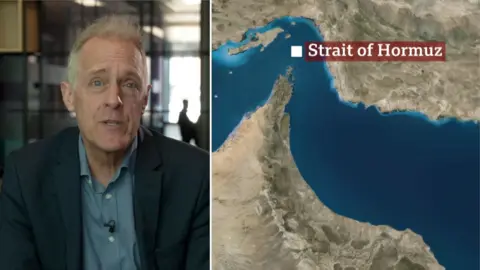
This incident occurs against a backdrop of heightened tensions and significant disruption across global energy markets. The ongoing conflict, which has seen retaliatory attacks and naval traffic disruptions, has put key shipping channels like the Strait of Hormuz under intense scrutiny. Our previous reporting on Iran escalates Gulf attacks: Industrial hubs hit, global energy markets on edge highlights the precariousness of the region's stability and its far-reaching economic consequences.
The Human Cost of Conflict Reporting
The funerals were not just a mourning of lives lost, but also a powerful expression of anger and a plea for the protection of journalists. Families and colleagues, their faces etched with sorrow, spoke of the dedication of the deceased to their craft, often venturing into dangerous territories to bring crucial information to the public. The targeted nature of the attack, if proven, raises serious questions about the deliberate silencing of independent voices in a conflict zone.
This event echoes broader concerns about the safety of civilians and non-combatants caught in geopolitical crossfire. We've seen similar anxieties surface in unrelated spheres, such as when Paris police foil Bank of America bomb plot; three arrested amid geopolitical tensions, demonstrating how global instability can manifest in diverse and alarming ways.
A Shadow Over the Information Landscape
The deaths of these journalists represent a significant blow to the flow of information from a region already shrouded in conflict. Al Manar TV and Al Mayadeen, known for their coverage from Lebanon and the broader Middle East, have lost vital members of their reporting teams. The lack of substantive comment from the IDF on the Ftouni siblings' deaths only fuels further speculation and mistrust.
In an era where verifiable information is paramount, the targeting or accidental killing of journalists erodes the public's ability to understand complex situations. It creates voids in reporting that can be exploited by propaganda and misinformation, further complicating efforts to achieve peace and understanding.
The Wider Ramifications for Global Stability
The incident in southern Lebanon is not an isolated event but a stark reminder of the interconnectedness of regional conflicts and their global impact. The disruption to shipping routes, the volatility in oil prices, and the human toll on those documenting these events all contribute to a climate of uncertainty. This makes proactive measures, like those being considered by some nations to bolster maritime security, increasingly critical.
The international community faces a growing challenge in ensuring the safety of journalists and upholding the principles of press freedom, especially in active conflict zones. The silence from some quarters regarding these specific killings is as deafening as the grief on the streets of Beirut.
The Importance of Unfettered Reporting
Access to independent and objective reporting is a cornerstone of informed public discourse and democratic accountability. When reporters are killed, whether by direct action or collateral damage, it is not just their families and news organizations that suffer, but society as a whole. We rely on their courage to bear witness, to challenge narratives, and to bring light to dark corners of the world.
The sacrifices made by Ali Shoeib, Fatima Ftouni, and Mohamed Ftouni must not be in vain. Their work, and the work of all journalists in perilous environments, deserves recognition and, crucially, protection. The international response to these tragic deaths will speak volumes about our collective commitment to the free press.
Frequently Asked Questions (FAQ)
Who were the journalists killed in the strike?
The journalists killed were Ali Shoeib of Al Manar TV, and Fatima Ftouni and her brother, cameraman Mohamed Ftouni, both from Al Mayadeen. They died in an Israeli strike in southern Lebanon on Saturday, March 28th.
What was the Israeli military's response?
The Israel Defense Forces (IDF) confirmed they killed Ali Shoeib, describing him as a "terrorist" but offered no evidence for this claim. The IDF has not commented on the killings of Fatima and Mohamed Ftouni.
What are the broader implications of this event?
The deaths highlight the extreme dangers faced by journalists in conflict zones, potentially silencing critical reporting. It also occurs amidst broader geopolitical tensions that are impacting global energy markets and shipping routes.
JOIN THE CONVERSATION
The tragic loss of these journalists in Beirut serves as a somber reminder of the human cost of conflict and the vital role of a free press in documenting it. The question remains: in an increasingly volatile Middle East, how can the international community guarantee the safety of those who report from the heart of the storm?
This article was independently researched and written by Hussain for 24x7 Breaking News. We adhere to strict journalistic standards and editorial independence.
Comments
Post a Comment