Reporting for 24x7 Breaking News. The majestic Alps, a playground for millions, are currently a scene of tragedy. This winter season has seen a stark increase in avalanche fatalities, with over 100 lives lost across the European mountains. This grim toll, unprecedented in eight years, is being attributed by rescue experts and safety officials to a dangerous combination of increasingly unstable snow conditions fueled by climate change and a growing number of skiers venturing off-piste without adequate preparation or safety equipment.
- A Deadly Combination: Unstable Snow and Risky Behavior
- The Critical Role of Safety Gear and Knowledge
- Broader Impacts and Shifting Conditions
- A Call for Vigilance Amidst Changing Climate
- Frequently Asked Questions (FAQ)
- What is the main cause of the rise in avalanche deaths this season?
- How important is safety equipment in avalanche survival?
- Is climate change directly causing more avalanches?
A Deadly Combination: Unstable Snow and Risky Behavior
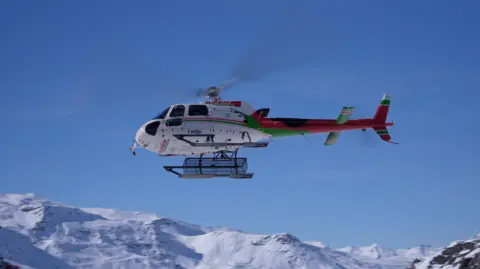
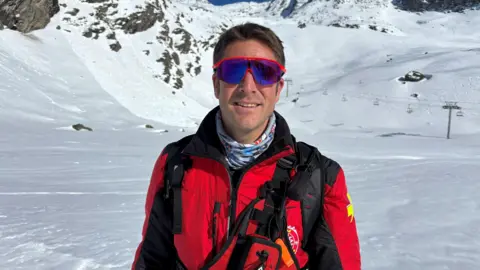
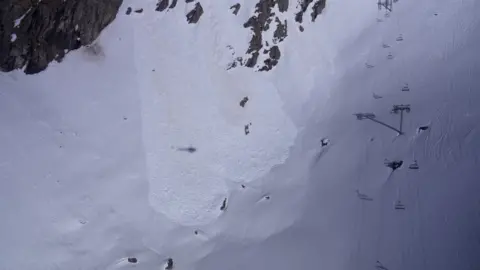
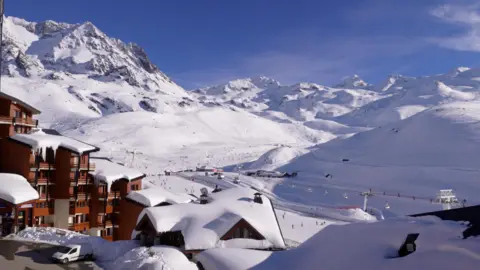
From the vantage point of a rescue helicopter crisscrossing the French Alps, the scars left by recent avalanches are starkly visible on the jagged ridges. Far below, tiny figures of skiers navigate meticulously groomed pistes and queue for lifts, a stark contrast to the perilous nature of the off-piste terrain. This season's snowpack, though abundant, has been unusually unstable, a direct consequence of fluctuating temperatures. Frédéric Bonnevie, a mountain patroller with 32 years of experience, points to shorter winters and the retreat of optimal snow conditions to higher altitudes. "As with all around the world, the climate is changing," Bonnevie stated, highlighting the unpredictable nature of the snow he monitors.
While resorts meticulously manage conditions on their marked slopes, the dangers escalate dramatically when skiers venture beyond these boundaries. "A lot of the victims are skiers who come here often, are technically skilled, but aren't necessarily connoisseurs of the mountain environment," explains Stéphane Bornet, director of Anena, a French snow safety association. These individuals, often confident in their skiing ability, may underestimate the inherent risks of the wild alpine terrain.
The Critical Role of Safety Gear and Knowledge
The statistics paint a sobering picture of the consequences of venturing unprepared into avalanche-prone areas. According to emergency crews, carrying essential safety equipment significantly boosts survival rates. A transceiver, which helps locate buried individuals, offers a 70% chance of survival. The crucial first 16 minutes after being buried are paramount; without a transceiver, rescue operations become significantly more complex, requiring extensive personnel and equipment, and drastically reducing survival chances to a mere 20%.
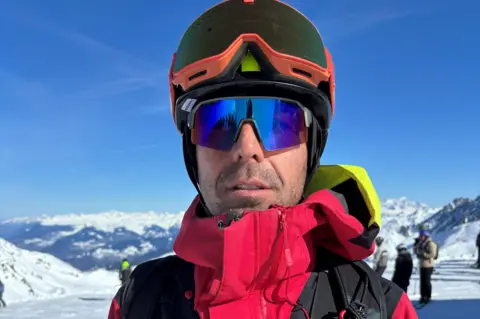
Pierre Boulonnais, a seasoned patroller in Val Thorens for 17 years, has witnessed firsthand the devastating outcomes. "Most of the time when we're coming, it can be too late," he said, his weathered face a testament to years spent in the mountains. "That's why you need to have all the rescue equipment on you, and to be in a group, but sometimes you can just be in the wrong place at the wrong time." He emphasized the importance of not only carrying safety gear but also possessing the knowledge to use it effectively and understanding route selection.
Bornet further elaborated on the deficiencies observed among victims. Many lacked basic safety kits, such as a transceiver or a shovel, and had not conducted fundamental research on their intended routes. He also detailed the immense pressure exerted by snow, explaining that being buried under just 50cm (about 2 feet) of dense snow equates to bearing more than a quarter of a ton of weight. This invisible, crushing force makes self-rescue nearly impossible and rescue efforts incredibly challenging.
Broader Impacts and Shifting Conditions
The wave of avalanche tragedies has dominated French media, with recent incidents including the recovery of two female skiers in La Chapelle d'Abondance and the evacuation of a village in Isère due to heavy snowfall, described by one local as being "like being in the depths of Siberia." These events inevitably raise questions about the broader impacts of climate change on extreme weather phenomena and mountain safety. In response to the rising costs of rescues, some have called for those deemed reckless, including foreign tourists, to contribute to the expenses. This mirrors discussions seen in other contexts, such as investigations into corporate practices that impact public well-being, as highlighted in the ongoing probe into ties with figures like Jeffrey Epstein. [See: LA City Council Demands Probe into Olympics Chief Wasserman's Epstein Ties]
The influence of climate change extends beyond just snow stability. Shorter, warmer winters mean that prime skiing conditions are increasingly found at higher altitudes, concentrating more people in these areas and potentially increasing the risk of accidents. This phenomenon, while not unique to the Alps, is becoming a more pronounced factor in mountain safety globally. Similar concerns about environmental shifts and their human cost have been echoed in discussions surrounding geopolitical tensions and their impact on global trade and safety. [See: Iran Mourns 84 Sailors Lost in Indian Ocean Submarine Attack; Bodies Repatriated]
A Call for Vigilance Amidst Changing Climate
While the avalanche risk in some areas has decreased from its peak, rescue crews maintain that the danger remains significant. Recent incidents, like a train derailment in Switzerland caused by an avalanche and a fatal avalanche in Austria, serve as stark reminders of nature's power. Diego Gonçalo, who filmed the aftermath of the Austrian avalanche, described the scene as both awe-inspiring and terrifying, emphasizing the profound sense of smallness one feels in the face of such raw natural force.
The current high death toll echoes past seasons, underscoring that while climate change is a significant contributing factor, it is not the sole reason for the increase. The complex interplay of meteorological conditions, snowpack instability, and human behavior is at the heart of this crisis. As millions of visitors flock to the Alps each year, the message from safety experts is clear: technical skiing skills are insufficient without a deep respect for and understanding of the mountain environment.
Frequently Asked Questions (FAQ)
What is the main cause of the rise in avalanche deaths this season?
Experts attribute the surge to a combination of unstable snow conditions, exacerbated by climate change, and skiers venturing off-piste without adequate preparation or safety equipment.
How important is safety equipment in avalanche survival?
Critically important. Carrying a transceiver, shovel, and probe significantly increases survival chances, with survival rates dropping dramatically for those without these essential tools.
Is climate change directly causing more avalanches?
While climate change doesn't directly cause avalanches, it contributes to unstable snowpack through fluctuating temperatures and altered precipitation patterns, making avalanche conditions more unpredictable and dangerous.
The Alps are facing a sobering reality this season, with a sharp increase in avalanche fatalities driven by both environmental shifts and human unpreparedness. As the pursuit of adventure continues, the question remains: Are we collectively doing enough to respect the power of nature and prepare adequately for its risks?




This article was independently researched and written by Hussain for 24x7 Breaking News. We adhere to strict journalistic standards and editorial independence.
Comments
Post a Comment