Bodies of 84 Iranian Sailors Return Home After Fatal Indian Ocean Torpedo Strike
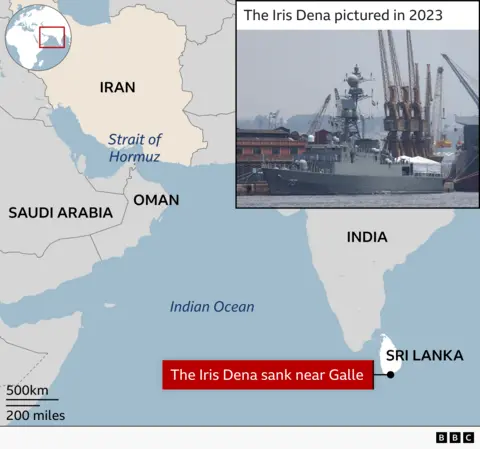
Reporting for 24x7 Breaking News. The bodies of 84 Iranian sailors, tragically lost when their warship was sunk by a U.S. submarine in the Indian Ocean, are being repatriated to Iran on Friday. Sri Lanka's Ministry of Defence confirmed the solemn return, marking a grim conclusion to a devastating incident that occurred on March 4th. The sailors were part of the crew aboard the Iranian warship Iris Dena, which sank approximately 25 miles off Sri Lanka's southern coast.
- Bodies of 84 Iranian Sailors Return Home After Fatal Indian Ocean Torpedo Strike
- Escalation in Tensions: A Deadly Precedent Set at Sea
- Survivors Remain in Sri Lanka Amidst Diplomatic Fallout
- Navigating a Complex Geopolitical Landscape
- The Human Cost of International Conflict
- Frequently Asked Questions (FAQ)
- What happened to the Iranian warship Iris Dena?
- How many sailors were killed and rescued?
- What has been the international response to the incident?
- Where are the bodies of the sailors being repatriated to?
The repatriation effort saw a police escort transfer the remains to Mattala Rajapaksa International Airport. Earlier, the bodies had been stored in freezers at Galle National Hospital, awaiting their journey home. A magistrate in Galle ordered the release of the 84 bodies to the Iranian embassy, facilitating their transport to Iran.
Escalation in Tensions: A Deadly Precedent Set at Sea
The sinking of the Iris Dena, which was returning from a military exercise hosted by India, has dramatically heightened already volatile geopolitical tensions. U.S. Defense Secretary Pete Hegseth described the Iranian warship's demise as a "quiet death." However, Iran's Foreign Minister Abbas Araghchi sharply condemned the act, labeling it an "atrocity at sea" and warning that the United States would "bitterly regret the precedent it has set."
The incident occurred amidst the ongoing U.S.-Israeli conflict with Iran, a situation that has seen a significant U.S. military buildup in the Middle East. Iran has since responded with retaliatory strikes targeting Gulf nations allied with the United States, signaling a dangerous widening of the regional conflict.
Survivors Remain in Sri Lanka Amidst Diplomatic Fallout
While the bodies of the fallen sailors head to Iran, 32 sailors who were rescued by the Sri Lankan navy after the attack will remain in Sri Lanka. News agency AFP reported that these survivors are under the care of Sri Lankan authorities. The fate of these rescued seamen adds another layer to the complex humanitarian and diplomatic aftermath of the incident.
The Pentagon released video footage showing the moment of impact, depicting the Iris Dena being struck by a torpedo, its stern rising before erupting in flames. This visual evidence underscores the devastating force of the attack and the catastrophic loss of life.
Navigating a Complex Geopolitical Landscape
The sinking of the Iris Dena is not an isolated event but part of a larger, escalating confrontation. Analysts suggest that this naval incident could have far-reaching implications for regional stability. The strategic implications are immense, particularly concerning maritime security in the Indian Ocean and the broader Middle East.
This event also raises questions about the rules of engagement and international maritime law, especially in contested waters. The aftermath demands careful diplomatic navigation to prevent further escalation and to ensure accountability. The involvement of a U.S. submarine in such a direct strike on a foreign warship sets a concerning precedent, as highlighted by Iran's foreign minister.
The Human Cost of International Conflict
Beyond the geopolitical maneuvering and official statements, the core of this tragedy lies with the 84 sailors who will not return home. These were individuals with families, hopes, and futures, now extinguished by the harsh realities of international conflict. Their loss is a stark reminder of the human cost that underpins even the most strategic of military actions.
The incident prompts reflection on how such events impact ordinary citizens, both in Iran and across the globe. For families awaiting news, the repatriation of bodies brings a measure of closure, but the profound grief remains. The ripple effect of such loss extends far beyond the immediate families, touching communities and national sentiments.
Frequently Asked Questions (FAQ)
What happened to the Iranian warship Iris Dena?
The Iris Dena was sunk on March 4th by a torpedo strike from a U.S. submarine in the Indian Ocean, approximately 25 miles off the coast of Sri Lanka.
How many sailors were killed and rescued?
A total of 84 sailors are confirmed to have died in the attack. 32 sailors were rescued by the Sri Lankan navy and remain in Sri Lanka.
What has been the international response to the incident?
Iran has condemned the attack as an "atrocity" and warned of repercussions. The U.S. has described the sinking as a "quiet death." The incident has increased tensions in the ongoing U.S.-Israeli conflict with Iran.
Where are the bodies of the sailors being repatriated to?
The bodies of the 84 Iranian sailors are being flown back to Iran for repatriation.
The return of these 84 sailors' bodies underscores the immediate human toll of escalating international conflict. As the world watches the diplomatic fallout, the true cost is measured in lives lost and families shattered. So here's the real question – in an era of heightened global tensions, how can maritime powers ensure de-escalation and prevent such tragic loss of life at sea?




This article was independently researched and written by Hussain for 24x7 Breaking News. We adhere to strict journalistic standards and editorial independence.
Comments
Post a Comment