
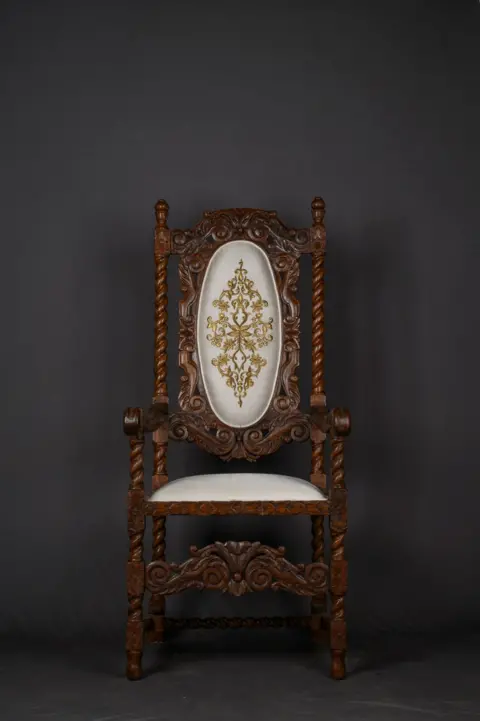
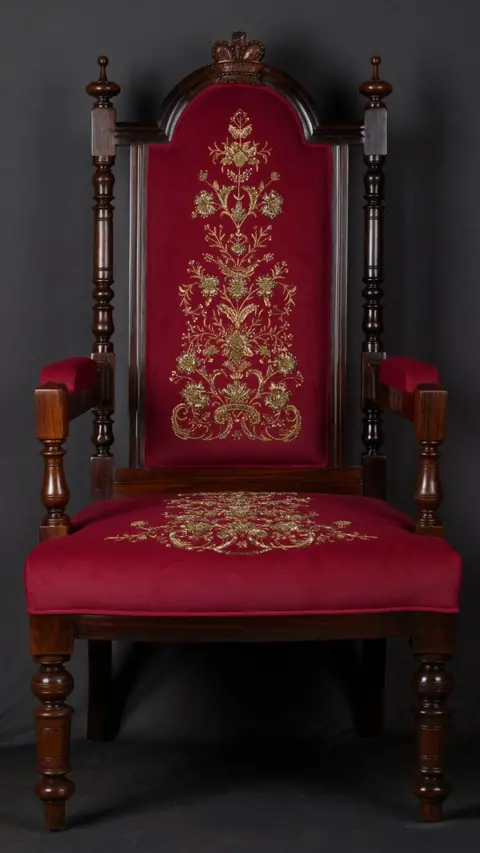
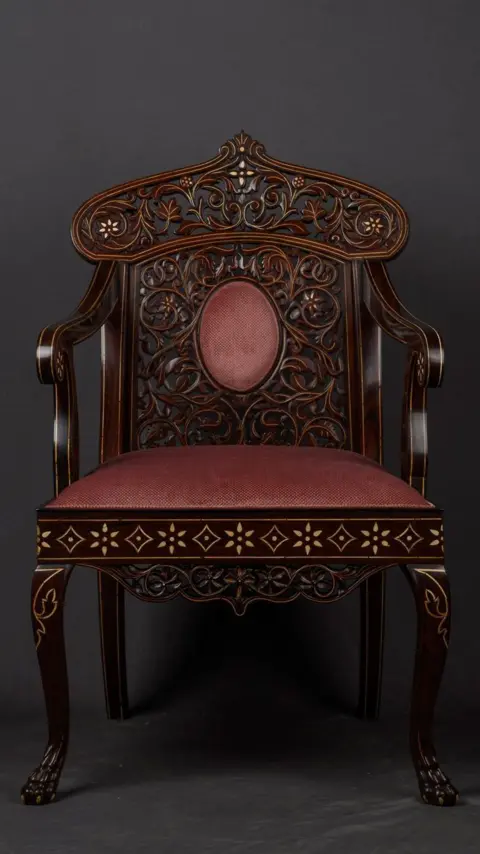
Reporting for 24x7 Breaking News. In Mumbai, a remarkable exhibition has unveiled a unique narrative of India's past, not through texts or battles, but through the silent witnesses of history: chairs. Titled "A History of India through Chairs," the exhibition, organized by the esteemed restoration firm House of Mahendra Doshi, presented over 200 chairs, each a chapter in the nation's intricate cultural and historical saga.
- Seating Traditions: A Chronicle of Invasions and Influence
- Craftsmanship and Colonial Echoes: A Deep Dive into Design
- The Enduring Legacy of Indian Hardwoods and Artisans
- Frequently Asked Questions (FAQ)
- What is the primary purpose of the "A History of India through Chairs" exhibition?
- How did colonial invasions influence Indian chair designs?
- What types of wood were highlighted in the exhibition?
- What is the significance of the restored chairs?
Seating Traditions: A Chronicle of Invasions and Influence
The exhibition, curated by Anand Gandhi and Chiki Doshi, custodians of the House of Mahendra Doshi brand and seasoned restoration experts, meticulously arranged these seating artifacts chronologically. This deliberate placement traced India's seating traditions from pre-colonial eras through to contemporary times, artfully illustrating the impact of global art movements that found fertile ground in the subcontinent. The collection offered a profound glimpse into the socio-economic strata and the waves of colonial invasions that swept across India between the 16th and 19th centuries.
Foreign powers, including the Dutch, Portuguese, French, and British, left an indelible mark not only on India's political landscape but also on its domestic aesthetics. "When they came to India, they brought their furniture with them and also commissioned Indian artisans to design chairs and other items that replicated European designs they were familiar with," explained Vivek Gandhi, a co-curator of the exhibition. This cultural exchange resulted in a fascinating hybrid of furniture design, where distinctly British or European styles often blended with Indian craftsmanship and sensibilities.
The curators sourced these historical pieces from diverse corners of India over decades. Many chairs were discovered in forgotten corners of old homes, estate sales, antique shops, or private collections, often in a state of disrepair. The process of restoration, undertaken by skilled craftsmen under the watchful eyes of the Doshi family, is a labor of love that can span months, breathing new life into decaying relics.
Craftsmanship and Colonial Echoes: A Deep Dive into Design
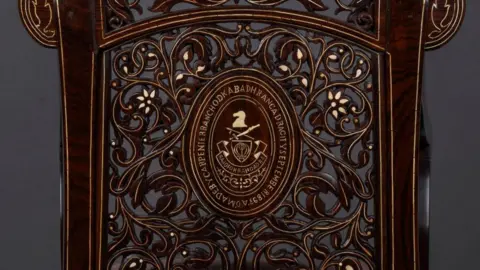
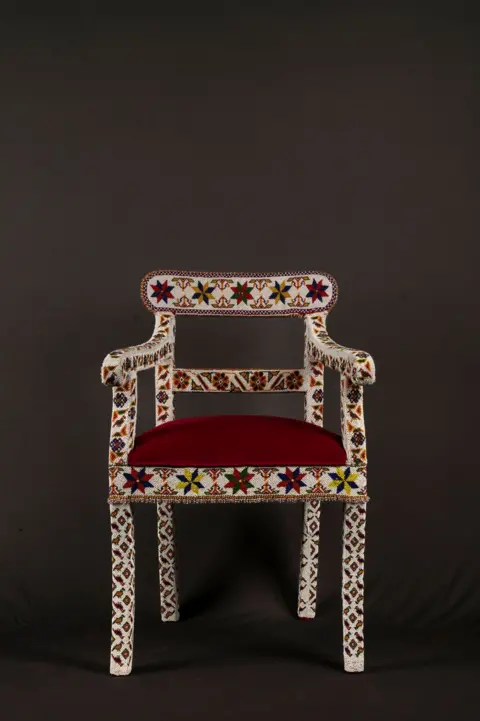
One particularly striking example of this painstaking restoration is a chair adorned with ceramic beads. Sourced from an estate sale in Gujarat, this unique piece demanded eight months of dedicated work to restore its intricate beauty. Such pieces highlight not only the resilience of Indian craftsmanship but also the diverse materials and artistic expressions that have characterized the nation's heritage.
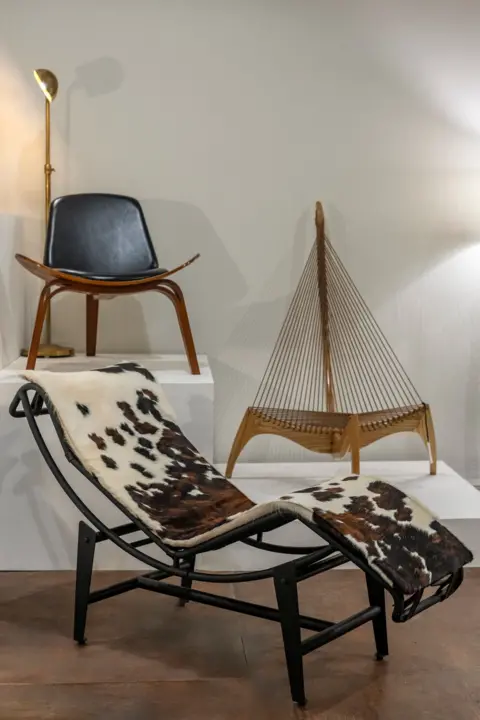
The exhibition also featured rare and significant design pieces, such as a lounge chair conceptualized by the renowned Swiss-French architect Le Corbusier. Invited to India in the 1950s by Prime Minister Jawaharlal Nehru to spearhead the architectural vision for the new city of Chandigarh, Le Corbusier's influence extended beyond urban planning to furniture design, reflecting a modernist ethos.
Further underscoring the colonial imprint, several 19th-century chairs in the Anglo-Portuguese style, originating from Goa, were on display. These pieces serve as tangible reminders of Portugal's long-standing colonial presence and the unique cultural fusion that defined the region for centuries. The exhibition masterfully wove together these distinct historical threads, showcasing how foreign influences were integrated and adapted by local artisans.
The Enduring Legacy of Indian Hardwoods and Artisans
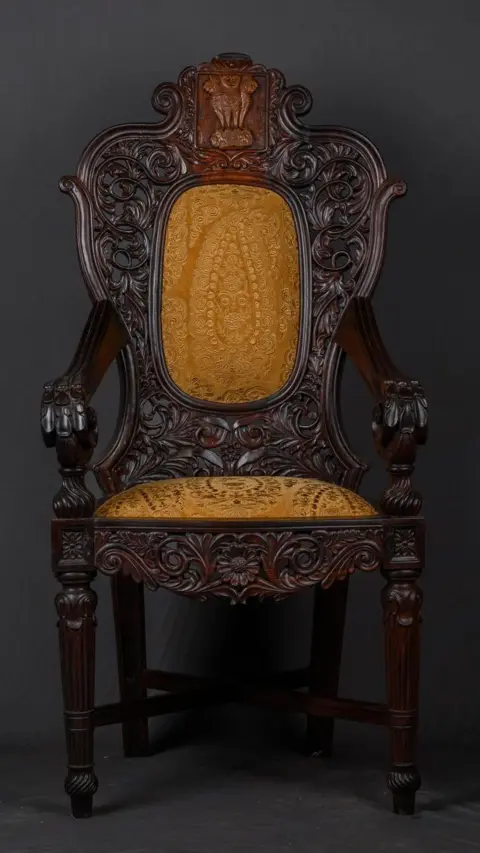
Beyond the stylistic influences, the exhibition shone a spotlight on India's rich natural resources and its deeply rooted traditions of artisanal excellence. Displays of high-quality Indian hardwoods such as teak, rosewood, and ebony demonstrated the inherent beauty and durability of materials that have long been prized for furniture making. These woods provided the foundation for generations of intricate handcrafting by local artisans, whose skills were often honed over lifetimes.
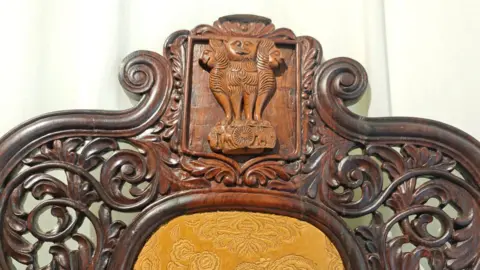
The meticulous joinery, the delicate carving, and the overall structural integrity of these vintage chairs speak volumes about the enduring legacy of Indian woodworking traditions. Even chairs bearing strong European design motifs often incorporated subtle Indian embellishments or construction techniques, a testament to the adaptive genius of local craftspeople. This intricate interplay between imported styles and indigenous skills created a unique furniture vernacular that is distinctively Indian.
The careful restoration and public display of these chairs not only preserve a tangible piece of history but also serve as a powerful educational tool. They offer a visual timeline of changing social customs, economic conditions, and the ebb and flow of cultural exchange. The story of India's furniture is, in many ways, the story of India itself – a complex tapestry woven from diverse threads of conquest, adaptation, and enduring creativity.
Frequently Asked Questions (FAQ)
What is the primary purpose of the "A History of India through Chairs" exhibition?
The exhibition aims to showcase India's cultural and historical evolution through the design and craftsmanship of over 200 chairs, illustrating influences from pre-colonial times to the present day.
How did colonial invasions influence Indian chair designs?
Colonial powers brought their furniture styles and commissioned local artisans to replicate European designs. This led to a unique blend of Western aesthetics and Indian craftsmanship, evident in many pieces displayed.
What types of wood were highlighted in the exhibition?
The exhibition spotlighted India's diverse range of high-quality hardwoods, including teak, rosewood, and ebony, emphasizing the country's traditions of intricate handcrafting.
What is the significance of the restored chairs?
The restored chairs act as tangible historical artifacts, preserving India's heritage and offering insights into social customs, economic conditions, and the impact of cultural exchange over centuries.
Ultimately, these chairs tell a story far grander than their humble function, weaving together narratives of invasion, adaptation, and profound artistic heritage. The journey of Indian furniture is a microcosm of the nation's own complex history. But as we admire these meticulously restored pieces, are we truly seeing the whole story, or are we still overlooking the everyday lives of the artisans who built them?
This article was independently researched and written by Hussain for 24x7 Breaking News. We adhere to strict journalistic standards and editorial independence.
Comments
Post a Comment