
The Escalating Strategic Gamble in the Strait of Hormuz
Reporting for 24x7 Breaking News, we are tracking a pivotal moment in the administration of President Donald Trump. As the joint U.S.-Israeli military campaign against Iran enters its third week, the White House is confronting the harsh reality that this 'war of choice' is far from the 'very complete' victory initially projected. The conflict, codenamed Operation Epic Fury, has shifted from a quick tactical strike to an extended, high-stakes confrontation that threatens global energy stability.
- The Escalating Strategic Gamble in the Strait of Hormuz
- The Fragile Coalition and Global Skepticism
- The Real-World Impact on American Households
- A Humanitarian Perspective on Persistent Conflict
- Frequently Asked Questions (FAQ)
- Why is the Strait of Hormuz so critical to the global economy?
- What is 'Operation Epic Fury'?
- How does the Iran war impact U.S. domestic inflation?
- Joining the Conversation
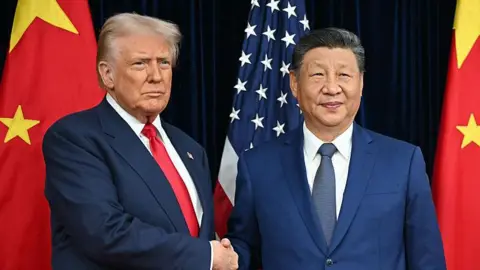
During a wide-ranging, unscripted appearance at the White House this past Monday, President Trump addressed the war effort alongside a disparate list of topics, including infrastructure projects and upcoming global sports events. While the President projects unwavering confidence, the strategic reality on the ground in the Middle East suggests a far more complex scenario. The U.S. has officially requested a month-long delay for a presidential trip to China, citing the immediate necessity of the commander-in-chief's presence to manage the ongoing military campaign.
The Fragile Coalition and Global Skepticism
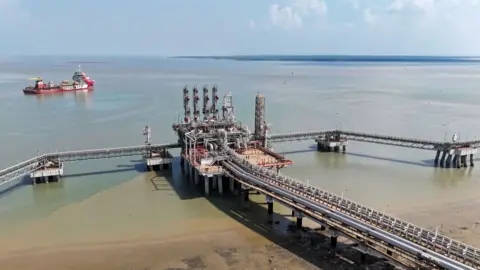
White House Press Secretary Karoline Leavitt emphasized that the President’s primary duty remains the successful execution of military operations in the region. However, the administration's attempts to build a multinational coalition to secure the Strait of Hormuz—a vital chokepoint through which approximately 20% of the world's oil flows—have encountered significant diplomatic friction. Despite the President's public calls for participation from allies like Japan, South Korea, and European powers, many have signaled a reluctance to be drawn into an escalating conflict.
UK Prime Minister Keir Starmer explicitly stated on Monday that his government would not be drawn into the wider war, though he remains open to a 'viable collective plan' for maritime security. This diplomatic rebuff leaves the U.S. facing a difficult choice: commit significantly more naval resources to the region unilaterally, or risk leaving the strait vulnerable to further Iranian minelaying operations. The stakes are immense, as even a single successful attack on a tanker could send global oil prices into a volatile spiral.
The Real-World Impact on American Households
For the average American, this geopolitical chess match is not merely a headline; it is a potential threat to the kitchen table. While the administration is focused on military dominance, the economic reverberations are being felt at the pump and in the grocery store. According to Clifford Young, chair of public affairs at Ipsos, any prolonged surge in energy costs represents a significant political vulnerability for the President. Even as core supporters remain loyal, the erosion of confidence among centrist and independent voters is accelerating as inflation remains a stubborn, persistent force in the economy.
The military's decision to deploy a Marine amphibious unit—comprising 5,000 soldiers and sailors—from Japan to the Middle East underscores the gravity of the situation. This movement brings American service members into closer proximity to Iranian forces, heightening the risk of direct, unintended engagement. As we monitor these developments, we must consider the broader human cost of such maneuvers, which often impact the most vulnerable populations long before the political elite feel the pressure.
A Humanitarian Perspective on Persistent Conflict
Beyond the naval strategy and oil prices, we must acknowledge the human element of these interventions. As we look at the broader landscape of instability, from the tragic consequences of regional violence in the West Bank to the ongoing reports of systemic human rights abuses in Venezuela, the world feels increasingly fractured. Military solutions often fail to address the underlying social and economic grievances that fuel these conflicts, instead creating long-term cycles of resentment and dependency.
Frequently Asked Questions (FAQ)
Why is the Strait of Hormuz so critical to the global economy?
The Strait of Hormuz is the world's most important oil chokepoint. Approximately 20% of the total global petroleum consumption passes through this narrow waterway daily, making it essential for international energy security.
What is 'Operation Epic Fury'?
Operation Epic Fury is the official U.S. military designation for the ongoing, joint U.S.-Israeli campaign against Iranian military assets, initiated to curb regional influence and secure maritime shipping lanes.
How does the Iran war impact U.S. domestic inflation?
The conflict poses a direct threat to global oil supply chains. If the war disrupts shipping, energy prices will inevitably rise, which in turn increases the costs of transportation, manufacturing, and consumer goods, effectively slowing the cooling of the inflation rate.
Joining the Conversation
As the administration weighs the necessity of further military commitment against the dangers of a widened conflict, the American public is left waiting for a clear path toward resolution. We are navigating an era where domestic affordability is inextricably linked to the success of overseas military ventures, and the margin for error is razor-thin. So here is the real question—is it possible for the United States to secure the global oil supply without becoming trapped in another indefinite Middle Eastern war?



This article was independently researched and written by Hussain for 24x7 Breaking News. We adhere to strict journalistic standards and editorial independence.
Comments
Post a Comment