
A Fiery Spectacle at the Edge of the World
Reporting for 24x7 Breaking News, we are tracking a major geological event on Reunion Island. For the first time in nearly two decades, molten lava from the Piton de la Fournaise volcano has surged across the landscape to meet the Indian Ocean, creating a volatile and mesmerizing natural display.
- A Fiery Spectacle at the Edge of the World
- Infrastructure Disruption and Local Realities
- The Human Element: Living Near the Source
- Frequently Asked Questions (FAQ)
- How often does the Piton de la Fournaise erupt?
- What is the impact on Reunion Island’s infrastructure?
- Is it safe to visit the site?
- A Humanitarian Perspective
The eruption, which began on February 13, marks the second time this year that the volcano has displayed significant seismic activity. Sunday’s milestone—the first time lava reached the coastline since 2006—has drawn throngs of curious locals and international tourists to the island’s southern periphery.
Infrastructure Disruption and Local Realities
While the geological event is a point of scientific fascination, the practical implications for residents have been severe. The ongoing flow of molten rock has effectively severed the national highway that serves as a critical artery linking the southern and eastern sectors of the island.
For those living in these regions, the disruption is not merely a sight to behold but a tangible hurdle to daily life. Commutes have been forced into lengthy detours, and local businesses that rely on the connectivity of the island’s transit grid are feeling the squeeze of a landscape that is literally being reshaped by the earth’s crust.
This situation reminds us of how fragile our human-made infrastructure remains in the face of natural phenomena. Much like the complex logistical challenges seen in global geopolitical flashpoints, the local community must adapt rapidly to a new reality that they did not choose and cannot control.
The Human Element: Living Near the Source
Local authorities have been managing crowd control, urging onlookers to maintain a safe distance from the active flow. The sight of civilians approaching the molten rock highlights both the beauty of our planet and the inherent risks of living in volcanic zones.
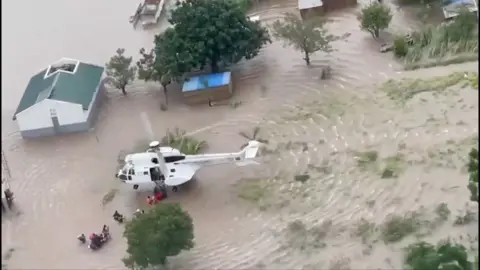
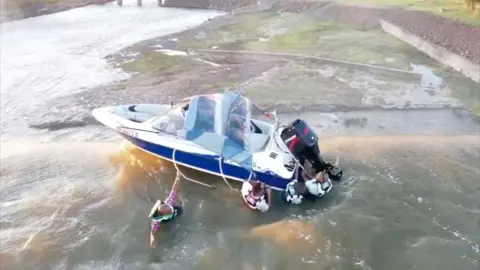
It is worth noting that this is not the only region facing natural upheaval. Recent catastrophic floods in Mozambique have displaced nearly 700,000 people, underscoring a season of intense environmental shifts across the African continent. Our thoughts remain with those whose homes and livelihoods are caught in the path of such powerful, unpredictable forces.
When we look at the resilience of the people on Reunion Island, we see a shared humanity that strives to find normalcy even when the ground beneath them is changing. It is a stark reminder that while we often focus on the excesses of global elite culture, the majority of the world is often preoccupied with the basic necessity of weathering the next storm—or volcanic eruption.
Frequently Asked Questions (FAQ)
How often does the Piton de la Fournaise erupt?
The Piton de la Fournaise is one of the world's most active volcanoes. It erupts frequently, often multiple times a year, though it is rare for the lava to reach the ocean as it did this past Sunday.
What is the impact on Reunion Island’s infrastructure?
The primary concern is the severance of the national highway. This blockage forces significant traffic delays and disrupts the supply chain for goods moving between the eastern and southern parts of the island.
Is it safe to visit the site?
Local authorities have designated specific viewing zones. Residents and tourists are strictly advised to follow official guidance from the prefecture, as lava flows can move unpredictably and release toxic gases.
A Humanitarian Perspective
As we document the Piton de la Fournaise eruption, we must advocate for the safety and dignity of the island's residents who are currently navigating a state of emergency. Environmental disasters, whether volcanic or hydrological, are the great equalizers. They demand that we look past our individual concerns and prioritize the collective safety of our neighbors.
We remain committed to reporting on the environmental realities that shape our world, ensuring that the voices of those affected by these events are heard above the noise of the news cycle. The volcanic activity on Reunion serves as a powerful testament to the earth's autonomy. So here is the real question — when natural disasters force us to abandon our daily routines, do we have the social safety nets in place to ensure no one is left behind, or are we relying too heavily on the hope that nature will remain predictable?



This article was independently researched and written by Hussain for 24x7 Breaking News. We adhere to strict journalistic standards and editorial independence.
Comments
Post a Comment