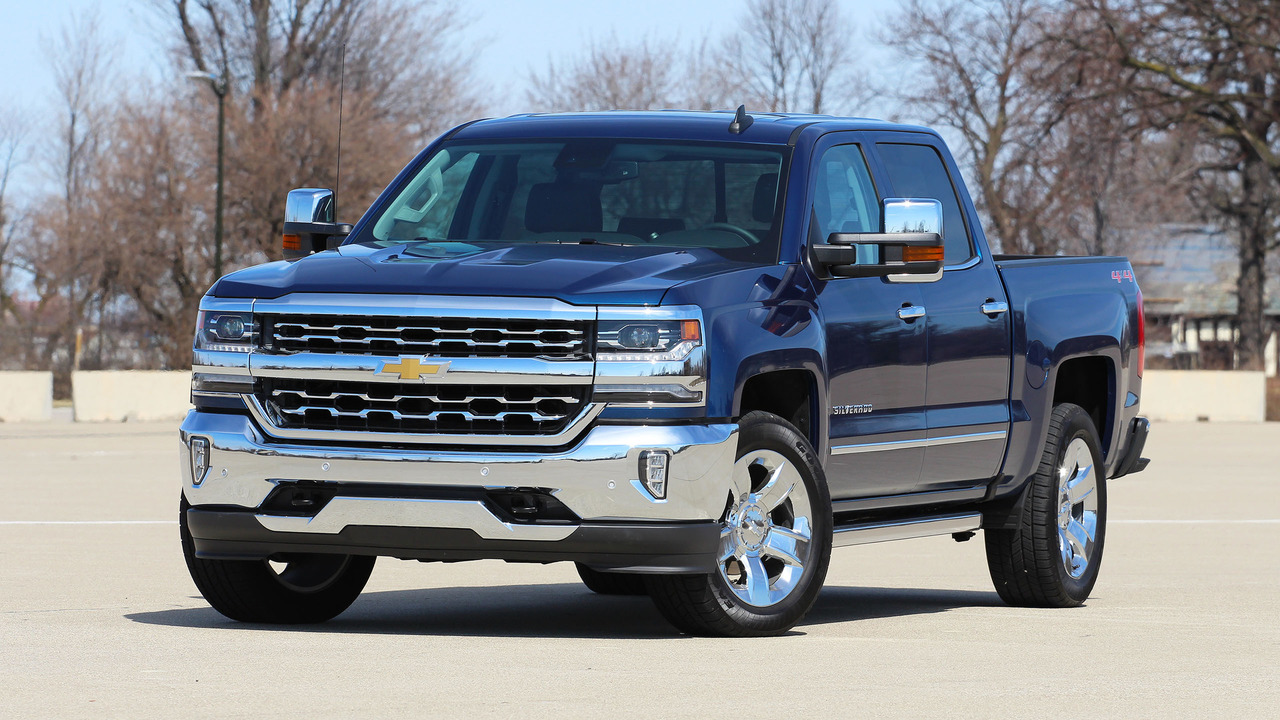
When you slide behind the wheel of a heavy-duty American pickup truck like a General Motors vehicle, safety is supposed to be an absolute given, not a gamble. Reporting for 24x7 Breaking News, our team has learned that General Motors is initiating an urgent safety recall affecting 1,559 Silverado and Sierra trucks due to a dangerously defective roof-rail airbag component.
- The Engineering Breakdown: What Goes Wrong Inside the Cabin
- Affected Models and Production Timelines
- Editorial Perspective: The Cost of Corporate Oversight
- Frequently Asked Questions (FAQ)
- Which specific vehicles are included in this GM recall?
- What makes the roof-rail airbag inflators dangerous?
- How can owners check if their truck is affected?
- Will the dealership repair cost anything for owners?
The Engineering Breakdown: What Goes Wrong Inside the Cabin
Automotive safety systems rely on extreme precision, especially when deploying high-pressure pyrotechnic inflators in fractions of a second. According to official documents filed with federal safety regulators, a select batch of roof-rail airbag inflators installed in these vehicles features structural vulnerabilities that can cause the metal housing to crack and rupture during deployment. When an inflator fractures, high-pressure gas escapes uncontrollably, turning internal components into dangerous shrapnel and catastrophically failing to cushion passengers during a side-impact collision.
This critical manufacturing oversight forces us to look closely at quality control standards across major domestic assembly plants. As industry experts note, component suppliers often face intense production pressure, but compromising on the metallurgy of safety-critical airbag cylinders crosses a red line that puts drivers and families directly at risk. When we examine how modern cabin architecture integrates life-saving curtain airbags along the roof rails, any structural compromise in the inflator canister defeats the entire purpose of the occupant protection system.
Affected Models and Production Timelines
The scope of this current campaign covers select Chevrolet Silverado and GMC Sierra trucks manufactured during a specific production window. While the numerical count of 1,559 vehicles might seem relatively small compared to massive multi-million vehicle recalls of the past, every single truck represents a potential hazard on the highway. Owners of these specific heavy-duty workhorses need to understand whether their VIN falls into the affected registry before heading out on long road trips or hauling heavy loads.
Regulatory watchdogs and consumer protection advocates emphasize that notification letters will go out to registered owners in the coming weeks. Dealership service centers are instructed to replace the compromised roof-rail airbag modules completely free of charge. However, securing replacement parts in a strained supply chain often creates frustrating delays for everyday drivers who rely on their trucks for daily commerce and towing.
Editorial Perspective: The Cost of Corporate Oversight
In our view, manufacturing defects of this magnitude highlight a recurring systemic vulnerability in modern automotive supply chains. We believe that while automakers are rushing to roll out new architectures—much like what we discussed when analyzing how Ford tackles its upcoming electric truck ambitions—basic mechanical safety components must never take a backseat to production quotas. It is deeply troubling that consumers purchase expensive, heavy-duty machinery only to discover that life-saving safety gear requires immediate factory intervention.
We urge federal regulators to maintain rigorous oversight over Tier-1 and Tier-2 automotive suppliers to ensure that metal fatigue and faulty pressure vessels are caught long before vehicles ever roll off the dealership lot. Accountability should extend directly to the boardrooms where cost-cutting measures are approved at the expense of human lives. Until the automotive industry treats safety validation with absolute, unyielding priority, drivers will continue to bear the burden of corporate recalls.
Frequently Asked Questions (FAQ)
Which specific vehicles are included in this GM recall?
- The recall impacts a total of 1,559 units of select Chevrolet Silverado and GMC Sierra pickup trucks equipped with potentially defective roof-rail airbag inflators.
What makes the roof-rail airbag inflators dangerous?
- The metal inflator housing can crack and rupture upon deployment, releasing high-pressure gas improperly and potentially propelling metal fragments into the vehicle cabin.
How can owners check if their truck is affected?
- Owners can check the National Highway Traffic Safety Administration (NHTSA) database or contact their local dealership using their vehicle identification number (VIN).
Will the dealership repair cost anything for owners?
- No, authorized dealerships will replace the defective roof-rail airbag modules entirely free of charge under the manufacturer safety recall guidelines.
Ultimately, keeping American roadways safe requires constant vigilance from both manufacturers and regulatory agencies regarding critical vehicle components like roof-rail airbags. So here is the real question — do you believe current federal penalties for manufacturing safety defects are harsh enough to stop automakers from cutting corners?
This article was independently researched and written by Hussain for 24x7 Breaking News. We adhere to strict journalistic standards and editorial independence.
Comments
Post a Comment