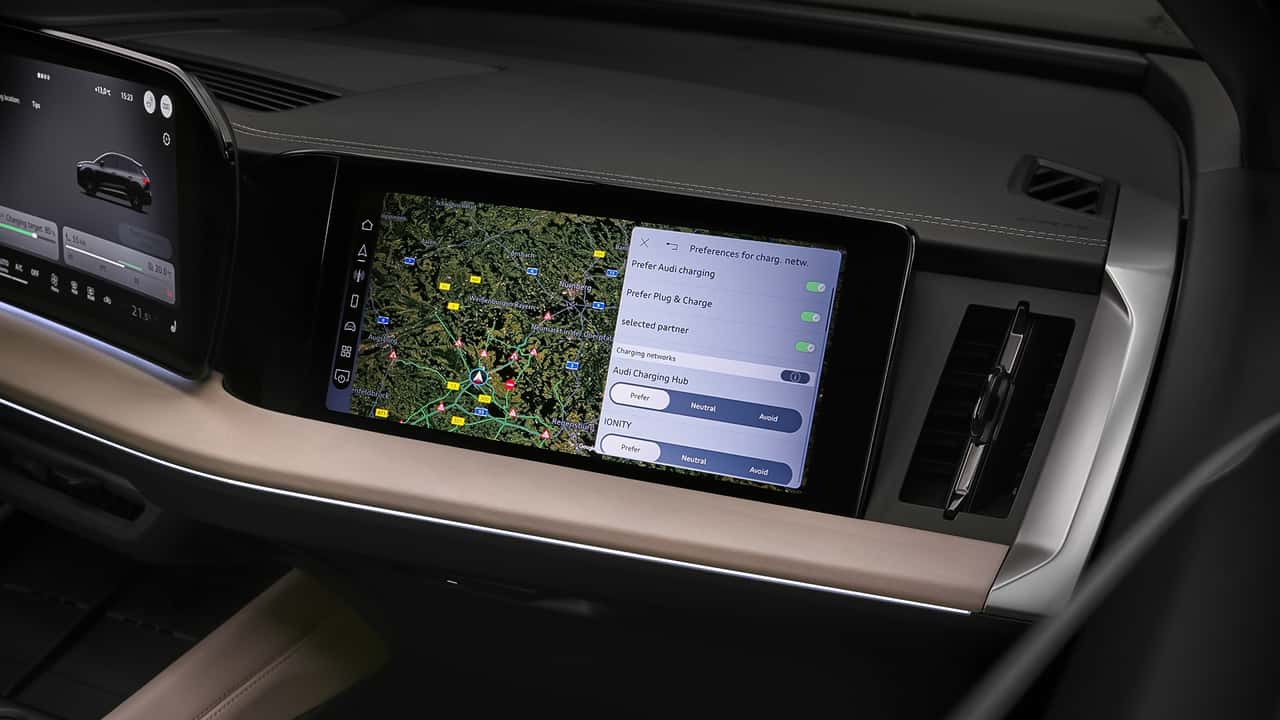
The End of the Dashboard Arms Race
Reporting for 24x7 Breaking News, our editorial team has spent months tracking the rapid digitization of vehicle interiors. For years, automakers have pushed a singular narrative: that the future of driving is a lounge-like experience defined by massive glass displays and screens for every passenger. However, fresh data suggests a significant disconnect between boardroom projections and the reality of the open road.
- The End of the Dashboard Arms Race
- The Complexity of Digital Overload
- Engineering vs. User Experience
- Our Perspective: A Return to the Driver-First Ethos
- Frequently Asked Questions (FAQ)
- Are passenger screens a safety risk?
- Why are automakers still installing these screens?
- Will we see a return to physical buttons?
- Do these screens affect resale value?
We recently analyzed findings indicating that passenger screens—once touted as the pinnacle of automotive luxury—are failing to resonate with the average consumer. While manufacturers market these features as essential for the modern, connected commute, owners are increasingly viewing them as expensive, distracting, and ultimately unnecessary fluff. This shift comes as the industry grapples with the fallout of rapid technological integration, which we have previously touched upon in our analysis of autonomous liability and vehicle safety.
The Complexity of Digital Overload
The industry's push toward total digitalization has been relentless. From pillar-to-pillar displays to secondary infotainment hubs, the goal has been to turn cars into mobile living rooms. But as an automotive journalist who has spent countless hours testing these systems, I can attest that more screen real estate does not equate to a better user experience. In fact, it often creates a cognitive burden that detracts from the act of driving.
Complex menus buried behind touch-only interfaces have replaced tactile buttons, forcing drivers to take their eyes off the road for even the most basic adjustments. It is a trend that mimics the issues we are seeing in other sectors, much like the complications reported regarding AI development setbacks. When your climate control, navigation, and entertainment are all fighting for space on a high-resolution display, the cabin stops feeling intuitive and starts feeling like an IT help desk.
Engineering vs. User Experience
Engineering departments often prioritize 'wow factor' during the concept phase to generate press buzz. Yet, when the vehicle hits the showroom floor, the practicality gap widens. Our team has consulted with industry analysts who point out that the high cost of these displays inflates vehicle MSRPs, often without providing a tangible return on investment for the owner.
Consumers are telling us through their purchasing habits that they prefer physical switches for critical functions. They want volume knobs, climate dials, and ergonomic interfaces that work without a software update. The obsession with passenger-side infotainment is increasingly viewed as a gimmick that adds weight, cost, and potential failure points to the vehicle's electrical architecture. As the market cools, as seen in recent reports on economic fluctuations, buyers are scrutinizing these 'value-adds' with newfound skepticism.
Our Perspective: A Return to the Driver-First Ethos
In our view, the auto industry has fallen into a trap of thinking that more tech equals more value. We believe that the primary purpose of a car is to transport, not to simulate a cinema. By cramming screens into the dashboard, manufacturers are not just cluttering the cabin; they are fundamentally misunderstanding the role of the vehicle in our lives. The most successful vehicles we have tested recently are those that integrate technology seamlessly rather than aggressively.
We have reached a saturation point where the 'digital cockpit' is becoming a source of anxiety rather than comfort. It is time for automakers to pivot back toward human-centric design. If the hardware doesn't serve the driver's safety and comfort, it's merely a distraction waiting to happen. We should demand better utility, not just more pixels.
Frequently Asked Questions (FAQ)
Are passenger screens a safety risk?
Many safety advocates argue that secondary screens can cause driver distraction, even if they are designed for passengers, as the movement and light can still capture the driver's peripheral attention.
Why are automakers still installing these screens?
Automakers often use these features to differentiate their models in a crowded market and to justify premium price points, even if consumer demand remains tepid.
Will we see a return to physical buttons?
There is growing evidence of a 'tactile renaissance' in the automotive world, with some manufacturers already beginning to reintroduce physical controls for essential functions due to negative customer feedback.
Do these screens affect resale value?
Complex, proprietary infotainment systems often age poorly, which can lead to higher maintenance costs and potentially lower long-term resale value compared to vehicles with more robust, simple controls.
The evidence is clear: the automotive industry must rethink its reliance on digital dashboards if it wants to keep pace with the actual needs of the consumer. We need vehicles that prioritize the driving experience over the screen experience. Is the era of the 'screen-heavy' car finally coming to a crashing halt, or will manufacturers continue to force these displays onto us despite the clear lack of interest?
This article was independently researched and written by Hussain for 24x7 Breaking News. We adhere to strict journalistic standards and editorial independence.
Comments
Post a Comment