Setting the Record Straight: The Honda-Nissan Rumor Mill
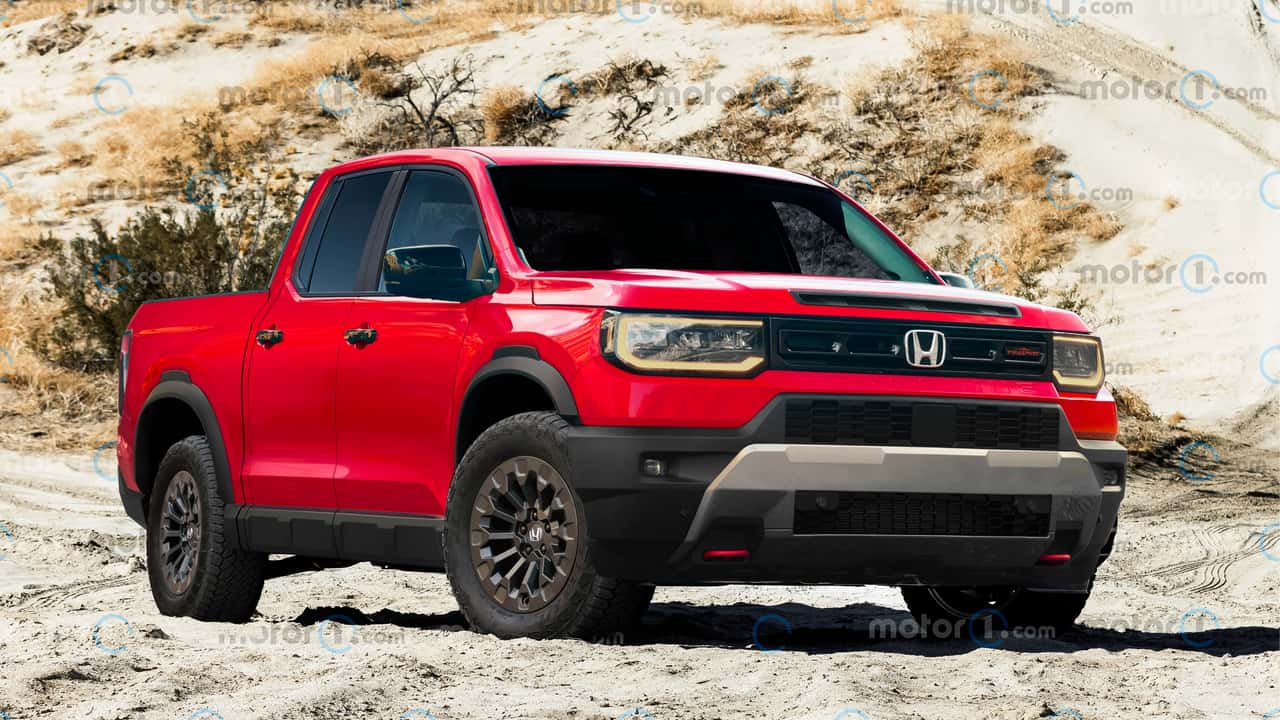
Reporting for 24x7 Breaking News, we have spent the last 48 hours vetting industry rumblings that sent shockwaves through the truck enthusiast community. Recent whispers suggested that Honda, a brand known for its unibody engineering prowess, might be looking to join forces with Nissan to produce a shared body-on-frame platform. Our editorial team, having tracked these industry movements closely, can confirm that Honda has officially dismissed these reports, putting an end to speculation that the Japanese automaker would pivot away from its signature architecture.
- Setting the Record Straight: The Honda-Nissan Rumor Mill
- The Engineering Philosophy Behind Honda’s Unibody Approach
- Why Collaboration Rumors Gain Traction
- Our Perspective: Protecting the Brand DNA
- Frequently Asked Questions (FAQ)
- Why would people think Honda would build a body-on-frame vehicle?
- What is the main difference between unibody and body-on-frame?
- Will Honda ever develop a dedicated off-road chassis?
- The Future of Honda's Truck Lineup
We first came across this story via anonymous industry chatter, but official representatives have stepped in to clear the air. In an era where automotive partnerships are becoming the norm to save on R&D costs, the idea of a joint venture for a rugged, ladder-frame chassis seemed plausible to many observers. However, Honda’s commitment to its unique unibody engineering remains the cornerstone of its current light truck strategy, including the Ridgeline and the Passport.
The Engineering Philosophy Behind Honda’s Unibody Approach
For those who follow the technical side of the industry, Honda’s refusal to adopt body-on-frame construction is not a surprise, but a statement of intent. The brand has built its reputation on vehicles like the Passport that offer a sophisticated, car-like ride quality while maintaining moderate off-road capabilities. This is a far cry from the traditional truck-based platforms used by competitors like Toyota or Ford. As we noted in our recent deep dive regarding the Honda Fit Returns Speculation, the company is doubling down on its hybrid and platform efficiency rather than chasing legacy truck segments.
The engineering challenge with unibody trucks is always the trade-off between payload capacity and handling. By utilizing a rigid, integrated chassis, Honda achieves a level of refinement that traditional body-on-frame vehicles struggle to match. While enthusiast forums often clamor for a "true" truck from the brand, Honda’s internal data clearly suggests that their target customer values daily drivability over the ability to haul massive loads on a commercial construction site. We have seen similar shifts in the market, such as the BMW Electric Cars Surpass 2 Million Milestone, where brand identity is being recalibrated to fit modern consumer needs.
Why Collaboration Rumors Gain Traction
It is not uncommon for rumors of strategic automotive alliances to sprout when major brands announce shared electric vehicle platforms. Nissan, which has long utilized body-on-frame architecture for the Frontier and Titan, would have been a logical partner for a company looking to enter the heavy-duty segment. However, the costs associated with retooling a factory to handle a chassis design completely foreign to Honda’s existing manufacturing lines would be astronomical.
Market analysts suggest that the industry is currently in a state of high volatility. As companies scramble to reduce carbon footprints and navigate the transition to electric propulsion, the temptation to share hardware is at an all-time high. Yet, Honda has shown a distinct desire to retain control over its vehicle dynamics. This desire to keep their engineering "in-house" is exactly what separates a Honda driving experience from a generic, badge-engineered vehicle.
Our Perspective: Protecting the Brand DNA
In our view, Honda’s decision to walk away from these rumors is a win for the brand’s identity. We believe that if Honda were to outsource its chassis development to a partner like Nissan, it would dilute the very thing that makes a Honda, a Honda. The precision-tuned suspension and the deliberate NVH (noise, vibration, and harshness) damping are traits that are baked into their DNA from the first CAD drawing.
What concerns us most in the current industry climate is the homogenization of vehicles. When everything is built on a shared skateboard architecture, the "soul" of the car often disappears. Honda is one of the few manufacturers that still prioritizes a specific tactile feel. By rejecting a body-on-frame pivot, they are choosing to stay in their lane and focus on what they do best: building highly efficient, reliable, and comfortable vehicles for the masses. We applaud the transparency in this denial, as it allows consumers to understand the company's long-term product roadmap without the distraction of false expectations.
Frequently Asked Questions (FAQ)
Why would people think Honda would build a body-on-frame vehicle?
Enthusiasts often point to the lack of a traditional, heavy-duty truck in Honda's lineup as a "missing link." Speculation often arises that a partnership could solve this gap without the massive cost of independent R&D.
What is the main difference between unibody and body-on-frame?
A unibody construction integrates the frame and the body into a single structure, offering better handling and fuel efficiency. Body-on-frame construction, where the body is bolted onto a separate steel ladder frame, is generally better for extreme towing and off-road durability.
Will Honda ever develop a dedicated off-road chassis?
While Honda continues to refine its i-VTM4 all-wheel-drive system, there has been no official indication that they intend to abandon their unibody roots for a dedicated, truck-based ladder frame.
The Future of Honda's Truck Lineup
As we look forward, it is clear that Honda will continue to refine its current offerings rather than pivoting to heavy-duty trucks. The brand is focused on electrification and hybrid efficiency, which aligns much better with their existing unibody manufacturing processes. The rumors of a body-on-frame collaboration with Nissan have been put to rest, and for now, the status quo remains for the Japanese manufacturer. We will continue to monitor the space for any shifts in powertrain strategy as the industry pushes toward a cleaner, more efficient future. So, here is the real question: do you think Honda is making a mistake by ignoring the heavy-duty truck market, or is their commitment to unibody excellence the smarter long-term play?
This article was independently researched and written by Hussain for 24x7 Breaking News. We adhere to strict journalistic standards and editorial independence.
Comments
Post a Comment