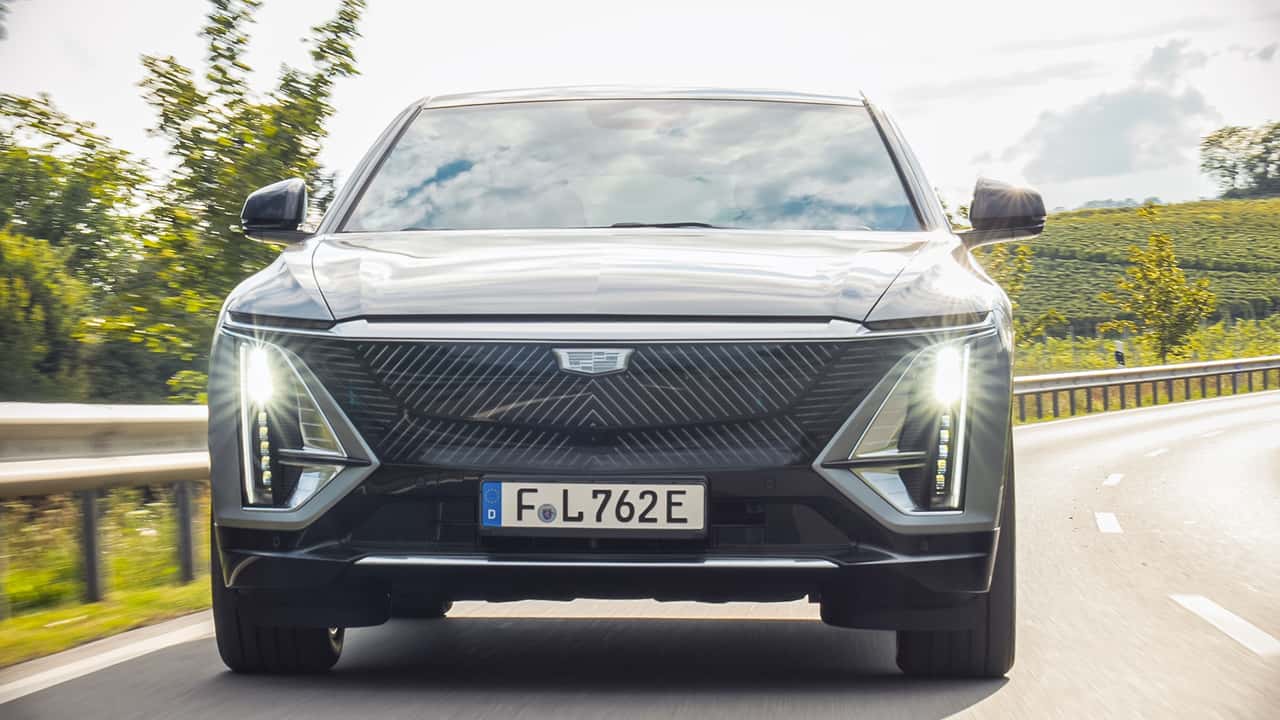
Reporting for 24x7 Breaking News. The grand, highly publicized Cadillac UK relaunch has ground to a sudden, screeching halt in the British market. After promising to take the European luxury electric vehicle segment by storm with its ultra-futuristic Ultium-based Lyriq crossover, General Motors has managed to register a grand total of just 20 vehicles. This catastrophic failure of early momentum highlights the immense friction American legacy automakers face when trying to export heavy, expensive battery-powered behemoths to a highly skeptical and localized European audience.
- The Heavyweight Contender That British Buyers Quietly Ignored
- The Technical Reality of Navigating the UK's EV Infrastructure
- How Global Economic Shifts Stifled Cadillac's European Ambitions
- Our Take: Detroit's Blind Spot in the Global Green Transition
- Frequently Asked Questions (FAQ)
- What caused the Cadillac UK relaunch to stall?
- Is the Cadillac Lyriq still available for purchase in the UK?
- How does this failure affect GM's broader European EV strategy?
The Heavyweight Contender That British Buyers Quietly Ignored
We came across this story via automotive industry registration tracking reports, which paint a grim picture of General Motors' premium aspirations across the Atlantic. The centerpiece of the Cadillac UK relaunch was supposed to be the Cadillac Lyriq, a striking, 5,600-pound luxury electric SUV. Boasting a massive 102 kWh battery pack and an EPA-estimated range of over 300 miles, the Lyriq represents Detroit's absolute best shot at modern electrification. Yet, British buyers looking for premium electric transport have looked the other way, leaving Cadillac's shiny new London experience centers virtually empty.
To understand this disconnect, we have to look closely at what British drivers actually value. The UK luxury car market is dominated by agile, established European players like Audi, BMW, Porsche, and Jaguar. These brands have spent decades tailoring their steering dynamics, suspension tuning, and overall vehicle dimensions to narrow, winding British B-roads and tight urban parking bays. Introducing a massive, wide-track American crossover into this environment was always going to be an uphill battle, but a sales figure of just 20 units suggests a total failure of product-market fit.
Furthermore, Cadillac chose to bypass the traditional dealer network entirely, opting instead for a direct-to-consumer digital sales model. While this approach worked wonders for Tesla a decade ago, the modern EV consumer demands a physical safety net. Without a robust, nationwide network of established service bays and diagnostic centers, asking a British buyer to spend upwards of £85,000 on an unproven American import is a massive leap of faith that very few were willing to make.
The Technical Reality of Navigating the UK's EV Infrastructure
From an engineering perspective, the Cadillac Lyriq is an impressive piece of machinery. Its Ultium platform offers excellent structural rigidity and a low center of gravity, which helps mask the vehicle's immense curb weight. On a wide-open American interstate, the Lyriq glides with the quiet, effortless poise of a classic Fleetwood. However, our editorial team knows that translating this driving experience to the UK's crumbling, pothole-ridden municipal roads is a completely different story.
The Lyriq's sheer width makes navigating typical British urban roundabouts a high-stress exercise in spatial awareness. While the vehicle's active noise cancellation and multi-link front and rear suspension do their best to iron out road imperfections, the sheer mass of the vehicle crash-lands over deep ruts. In a market where fuel and electricity prices remain highly volatile, dragging nearly three tons of steel and lithium through stop-and-go city traffic feels incredibly inefficient, regardless of how zero-emission the tailpipe is.
Additionally, public charging infrastructure in the UK, while rapidly expanding, is notoriously plagued by reliability issues and confusing payment systems. A massive 102 kWh battery pack requires ultra-fast DC charging to replenish quickly during long road trips. If a driver cannot consistently find a functioning 150 kW+ charger, they are left trickle-charging at slower speeds, turning a weekend getaway into a logistical headache. Buyers in this price bracket simply expect more convenience for their money.
How Global Economic Shifts Stifled Cadillac's European Ambitions
This sluggish start for General Motors does not exist in a vacuum. The broader automotive industry is currently grappling with a massive cooling of consumer demand for high-end electric vehicles. As central banks struggle to tame inflation, high interest rates have made financing a luxury vehicle an incredibly expensive proposition for everyday consumers and affluent buyers alike.
We have watched these macroeconomic shifts ripple across all global sectors recently. For instance, as U.S. Treasury Yields Decline as Dollar Gains Momentum Amid Market Shifts, international trade dynamics become increasingly complicated for American exporters. A stronger dollar makes American-manufactured goods, including luxury electric vehicles built in Tennessee, significantly more expensive to import and sell competitively abroad. This currency pressure has undoubtedly squeezed General Motors' margins in Europe, leaving them with very little room to cut prices and kickstart their stagnant sales.
At the same time, we are seeing a fascinating counter-trend in the global automotive landscape. While massive, software-heavy luxury EVs struggle to find footing, traditional, rugged, and highly mechanical vehicles are experiencing a massive renaissance. Enthusiasts are clamoring for authentic, tried-and-true engineering, as evidenced by the excitement surrounding announcements like the Mitsubishi Pajero Is Back September 2, Returns With Ladder Frame. This stark contrast suggests that today's car buyers are increasingly fatigued by over-complicated, digital-first luxury crossovers and are yearning for vehicles with clear utility, heritage, and mechanical soul.
Our Take: Detroit's Blind Spot in the Global Green Transition
In our view, the failure of the initial Cadillac UK relaunch phase is a direct result of corporate hubris. General Motors' leadership team seemingly believed that they could simply copy-paste their North American product strategy, scale it down slightly, and conquer the highly sophisticated European market. This line of thinking completely ignores the fundamental cultural differences in how Europeans interact with their vehicles.
What concerns us most is the environmental and resource cost of these massive electric SUVs. We believe that the path to sustainable transit does not lie in replacing 5,000-pound gasoline vehicles with 6,000-pound electric vehicles. Pushing massive luxury tanks under the guise of green mobility is a deeply flawed strategy. European consumers, who are generally more eco-conscious and urban-centric, see right through the marketing gloss. They understand that a smaller, lighter, and more efficient hybrid or compact EV is a far more sensible choice for their daily lives.
If General Motors genuinely wants to succeed on a global scale, they must abandon the "bigger is better" mentality that has dominated Detroit for a century. They need to invest in smaller, lighter, and highly efficient electric platforms specifically tailored for international markets. Until they do, ambitious export plans like this one will continue to collect dust in empty showrooms, serving as expensive monuments to a misplaced corporate strategy.
Frequently Asked Questions (FAQ)
What caused the Cadillac UK relaunch to stall?
The relaunch struggled due to a combination of high pricing, a lack of physical dealership and service support, and a product design that is simply too large and heavy for narrow British roads.
Is the Cadillac Lyriq still available for purchase in the UK?
Yes, General Motors continues to offer the Lyriq through its digital storefront and London experience center, though sales volumes remain critically low.
How does this failure affect GM's broader European EV strategy?
This slow start forces GM to re-evaluate its direct-to-consumer model and may delay plans to roll out additional electric models, such as the Optiq or Celestiq, in right-hand-drive markets.
Ultimately, the disappointing reality of the Cadillac UK relaunch proves that conquering a mature, highly competitive foreign market takes far more than flashy digital showrooms and American-sized ambition. Is this embarrassing sales slump a temporary teething issue for General Motors, or is it proof that heavy, oversized American luxury EVs have absolutely no future on narrow European streets?
This article was independently researched and written by Hussain for 24x7 Breaking News. We adhere to strict journalistic standards and editorial independence.
Comments
Post a Comment