
Reporting for 24x7 Breaking News.
- Finding Solace in Simulated Worlds Amidst Real-World Danger
- The Eerie Quiet of a Capital Under Threat
- Seeking Safety, Holding Onto Connections
- Starlink: A Risky Lifeline in the Digital Dark Age
- The Human Cost of Conflict and the Will to Endure
- Frequently Asked Questions (FAQ)
- What is Nowruz?
- Why has internet access been restricted in Iran?
- What is Starlink and why is it risky to use in Iran?
- How are young Iranians coping with the war?
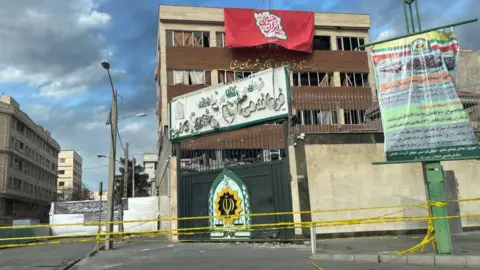
Even as the rumble of distant airstrikes has become a grim soundtrack to daily life in Tehran, a generation of young Iranians is finding unexpected ways to adapt, to create, and to simply carry on living. Snowfall on Tuesday added a stark layer of white over parts of the capital, days after aerial assaults on oil depots had cast a pall of dark rain over the city. Yet, beneath the veneer of snow and the lingering scent of pollution, the pulse of life, however strained, continues.
Finding Solace in Simulated Worlds Amidst Real-World Danger
For many, particularly those in their twenties, the war has meant retreating into the sanctuary of their homes. Sahar, a young woman in her early twenties, described her days spent cooking, reading, and immersing herself in the intricate world of a life simulation video game. She shared, "I think my creativity has increased during the war. I'm constantly stressed and end up building prettier homes in the game."
This forced introspection, however, is punctuated by the harsh realities of conflict. Sahar revealed the devastating news she received on Tuesday: a former schoolmate had been killed in the attacks, her body still missing. "I felt horrible after hearing it," Sahar recounted, her voice heavy with grief and confusion. "Why do we have to experience such horror when we're in the prime years of our youth? I just want this to end before Nowruz. My favourite days in life are the early days of spring."
The approaching Persian New Year, Nowruz, a time traditionally filled with family gatherings and vibrant celebrations, feels muted this year. Markets that would normally teem with shoppers preparing for guests are noticeably quieter. The festive spirit, so crucial to this beloved holiday, is overshadowed by the omnipresent threat of conflict.
The Eerie Quiet of a Capital Under Threat
Peyman, a man in his thirties, echoed this sentiment, noting the profound shift in the city's atmosphere. "It doesn't feel like the run-up to Nowruz," he stated. "But even under missiles, we carry on living. We have no choice but to live." The visible signs of this quietude are stark.
He described the near-empty metro system, where for every passenger, dozens of seats remain vacant. The streets, too, have become unnervingly silent, so devoid of activity that one could "easily play football in the middle of a street." This profound stillness is a constant reminder of the underlying tension and fear that grips the city.
Another resident in his thirties shared how his sleep schedule has been dictated by the unpredictable rhythm of bombings. "I go to sleep at around six or seven in the morning and wake up at 2pm," he explained. Even the simple act of grocery shopping requires venturing into the unusually deserted streets of Tehran.
Seeking Safety, Holding Onto Connections
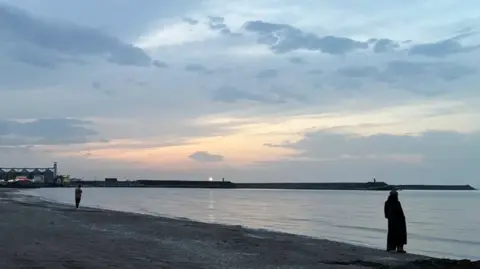
The sustained aerial attacks, which commenced on February 28, have prompted some residents to seek safer havens. The greater Tehran area, home to approximately 14 million people, has seen an exodus of those seeking refuge, with many heading north towards the Caspian Sea, an area that has experienced fewer strikes. Mina, a woman in her twenties, is one of those who left the capital.
She is now staying in the city of Rasht with her grandmother, a decision that weighed heavily on her. "My family kept insisting we go to Rasht to stay with my grandmother, but my best friend and flatmate didn't want to leave Tehran," Mina recalled. "I felt guilty about leaving without her, so I didn't want us to go." The night the oil depots were hit, she described the visceral experience of their apartment shaking and windows illuminating the night sky as if it were day.
The fear of being separated from loved ones during such a crisis was palpable for Mina. "The day after, we finally went to Rasht, in a car covered with patchy stains from the polluted rain." Despite the physical distance, her connection to her best friend remains strong. "We talk on the phone about all the exciting things we'll do after the war is over. Maybe we'll dye our hair lighter after this."
Starlink: A Risky Lifeline in the Digital Dark Age
Compounding the challenges is the government-imposed internet blackout, which has severely hampered communication within Iran and with the outside world. This digital isolation has been in place for over two weeks, with connectivity levels reported to be as low as 1% of normal levels according to monitoring group NetBlocks.
However, tech-savvy Iranians are employing Starlink, the satellite internet constellation, as a crucial, albeit risky, communications lifeline. Using Starlink in Iran carries a potential punishment of up to two years in prison, and authorities are reportedly actively searching for the ground dishes. Mehran, a man in his twenties living in Tehran, has been sharing his Starlink connection with at least 25 other people, keeping the device hidden in a "remote" location.
For those who can access it, internet data is being sold on the Telegram messaging app for exorbitant prices, a stark contrast to the average monthly salary in Iran, which is estimated between $200 and $300. Shima, another young woman in Tehran, stressed the importance of trust when acquiring Starlink access, warning, "You have to buy it from someone you trust, otherwise there's a chance they will cut off your internet after you've paid a hefty sum." The global reliance on energy resources amidst escalating geopolitical tensions has been a recurring theme, as seen in reports detailing how Global Powers Tap Record Oil Reserves Amidst Escalating Iran Conflict.
The Human Cost of Conflict and the Will to Endure
The psychological toll of living under constant threat is immense. The loss of a friend, the disruption of traditions, the pervasive fear – these are the realities shaping the experiences of young Iranians. Their resilience, however, is not born of indifference but of a profound need to survive and to hold onto hope for a future free from violence.
This situation underscores the devastating impact of prolonged conflict on civilian populations, particularly the younger generation whose formative years are being defined by instability and danger. The desire for peace, for a return to normalcy, and for the simple joys of spring and family celebrations is a universal human longing, amplified by the current circumstances. The echoes of past geopolitical strategies and their human costs, as seen in historical contexts like Echoes of 1991: Trump’s Iran Uprising Call and the High Cost of Empty Promises, serve as a somber reminder of the enduring consequences of international conflict.
Frequently Asked Questions (FAQ)
What is Nowruz?
Nowruz is the Persian New Year festival, celebrated on the spring equinox, marking the arrival of spring and the beginning of a new year in Iran and other cultures. It is traditionally a time for family gatherings and renewal.
Why has internet access been restricted in Iran?
The Iranian government has imposed internet blackouts as a measure to control information flow and suppress dissent during periods of heightened tension or conflict, particularly following airstrikes.
What is Starlink and why is it risky to use in Iran?
Starlink is a satellite internet service provided by SpaceX. Its use is risky in Iran because it is officially prohibited by the government, and possessing the necessary equipment can lead to severe legal penalties.
How are young Iranians coping with the war?
Young Iranians are coping by seeking refuge at home, engaging in creative activities like gaming and cooking, maintaining connections with loved ones, and utilizing risky technologies like Starlink for communication, all while expressing a deep desire for the conflict to end.
The resilience of young Iranians in the face of sustained aerial attacks and communication blackouts highlights a profound human capacity to endure and adapt. As they navigate this unprecedented period, clinging to hope for peace and the return of normalcy, one must ask: In a world increasingly interconnected, how can the international community more effectively protect civilian populations from the devastating impacts of state-sanctioned conflict and information suppression?




This article was independently researched and written by Hussain for 24x7 Breaking News. We adhere to strict journalistic standards and editorial independence.
Comments
Post a Comment