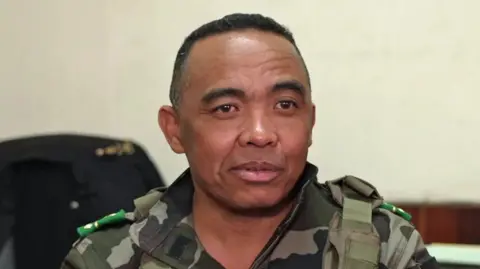
A Sudden Political Shakeup in Madagascar
Reporting for 24x7 Breaking News, the political landscape in Madagascar remains in flux today after military ruler Col. Michael Randrianirina unexpectedly dissolved the entire government. The move, announced via his spokesperson, effectively dismissed the prime minister and every member of the cabinet, citing a need to reset the nation's administrative functions.
- A Sudden Political Shakeup in Madagascar
- The Roots of the Military Takeover
- The Human Reality: Voices from the Street
- A Humanitarian Perspective on Power
- Frequently Asked Questions (FAQ)
- Why did Col. Michael Randrianirina dissolve the cabinet?
- What is the role of the Gen Z movement in Madagascar?
- What does this mean for future elections?
- The Road Ahead for Madagascar
This consolidation of power comes just months after Randrianirina seized control of the island nation last October. The military intervention followed weeks of intense, youth-led protests against the administration of former President Andry Rajoelina, whose 2023 election victory remained mired in widespread allegations of irregularities.
The Roots of the Military Takeover
The transition to military rule was initially framed as a response to deep-seated systemic failures, particularly regarding persistent power and water shortages that crippled daily life for millions of Malagasy citizens. When the army sided with demonstrators last year, it signaled a decisive, if controversial, turning point in the country's governance.
Despite promises to restore democratic processes within two years, the regional bloc known as the Southern African Development Community (Sadc) has pressured the junta to provide a concrete roadmap for transition. The bloc explicitly requested plans for free and fair elections by the end of February, a timeline that now appears increasingly uncertain following Monday's mass sackings.
The Human Reality: Voices from the Street
For the ordinary families of Madagascar, this political volatility is more than just a headline—it is a matter of survival. As the government transitions, the basic services that sparked the initial protests remain largely inconsistent. The Gen Z and Gen Y movements, which provided the grassroots momentum for the current leadership, have voiced deep frustration with the lack of progress.
These activist groups recently issued a 72-hour ultimatum for the leader's resignation, citing a lack of transparency and the exclusion of civilian voices. The appointment of businessman Herintsalama Rajaonarivelo as prime minister in October was intended to act as a bridge, but the movement rejected his selection, arguing it was made behind closed doors without meaningful public consultation.
A Humanitarian Perspective on Power
True progress requires more than the shifting of cabinets; it demands a genuine commitment to the dignity of the people. When power is concentrated in the hands of the military, the distance between the state and the citizen often widens, leaving the most vulnerable to bear the brunt of administrative paralysis. We must advocate for a path that prioritizes inclusive dialogue over tactical maneuvering.
As we watch these developments, it is essential to remember that democracy is not merely an event on a calendar but a continuous process of inclusion. Whether in Antananarivo or elsewhere, the stability of a nation rests on the trust of its people. For those interested in how environmental stability correlates with political order, you may find our coverage on the rare desert superbloom to be a fascinating study in natural resilience versus man-made volatility.
Frequently Asked Questions (FAQ)
Why did Col. Michael Randrianirina dissolve the cabinet?
While no specific reason was publicly stated, the move follows mounting pressure from youth activist groups and the regional SADC bloc, suggesting an attempt to consolidate control or address perceived failures in the previous cabinet's performance.
What is the role of the Gen Z movement in Madagascar?
The Gen Z movement serves as a grassroots political force that initially drove the protests against the previous administration and continues to demand transparency, inclusivity, and direct representation in the new government.
What does this mean for future elections?
Although the military leadership previously pledged to host elections within two years, the sudden dissolution of the government raises questions about the feasibility and timing of these democratic commitments under the current roadmap.
The Road Ahead for Madagascar
The dissolution of the cabinet serves as a stark reminder of the fragile state of governance in the wake of military intervention. As the nation awaits the appointment of a new prime minister, the core demand of the people remains clear: a seat at the table. So here's the real question — can a transition led by the military ever truly satisfy the democratic demands of a mobilized, activist-driven youth population?


This article was independently researched and written by Hussain for 24x7 Breaking News. We adhere to strict journalistic standards and editorial independence.
Comments
Post a Comment