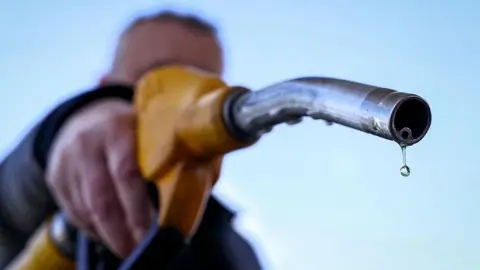
The Sudden Volatility Gripping Global Energy Markets
Reporting for 24x7 Breaking News, we are witnessing an unprecedented moment in the history of global finance. As crude oil prices touched a staggering $120 a barrel earlier this week, the fragility of our interconnected world became painfully clear. This volatility, driven by escalating conflicts in the Gulf, has sent shockwaves from the trading floors of London to the gas pumps of Middle America.
- The Sudden Volatility Gripping Global Energy Markets
- The Mechanics of a Potential Oil Shock
- The Real-World Impact on American Families
- A Humanitarian Perspective on Global Stability
- Frequently Asked Questions (FAQ)
- Why do oil prices affect the cost of other goods?
- What is a force majeure declaration in the oil industry?
- How long will it take for the energy supply chain to stabilize?
- Join the Conversation
The rapid escalation was met with an urgent pivot in diplomatic rhetoric. President Donald Trump, recognizing the immense pressure on the global economy, signaled a shift away from a long-run conflict scenario. This move helped cool the markets, with prices dipping below Friday's close, yet the underlying instability remains a profound concern for energy security.
For a deeper look into the administration's broader geopolitical maneuvers, see our coverage on Trump’s Shifting Iran Strategy Sparks Confusion Amid Economic Volatility. The delicate balance between military posturing and economic reality is currently the defining challenge for the White House.
The Mechanics of a Potential Oil Shock
The International Energy Agency (IEA) and G7 finance ministers have been evaluating the prospect of a massive 300 million-barrel release from emergency stockpiles. Such an intervention would represent roughly one-quarter of global strategic reserves, a scale nearly double that of the 2022 response to the invasion of Ukraine. While market speculators have reacted to these rumors, the reality of the supply chain remains fractured.
Force majeure declarations by key producers have left millions of barrels effectively locked out of the market. Even with a potential reserve release, the logistics are daunting. Industry experts estimate that 300 million barrels accounts for less than three days of global consumption—a sobering reminder that temporary fixes cannot solve long-term structural failures.
Furthermore, the physical movement of energy is under threat. With tankers navigating the perilous Strait of Hormuz amidst drone and missile activity, the cost of insurance and the sheer risk to human life are rising. We are seeing a fundamental rerouting of global energy, as US-bound gas tankers perform emergency U-turns to satisfy the immediate demand from Asian markets.
The Real-World Impact on American Families
While the headlines focus on barrel prices and geopolitical treaties, the reality for everyday Americans is measured in the cost of a tank of gas. For millions of families, these fluctuations are not just numbers on a screen; they are direct hits to the household budget, impacting everything from the cost of groceries to the ability to commute to work.
The current climate of uncertainty creates a ripple effect. When energy costs spike, businesses pass those expenses down to the consumer, disproportionately affecting those with the least cushion. This is a moment that demands empathy; it is a time when the choices made in boardrooms and government offices carry the weight of real human suffering and the stability of the working class.
A Humanitarian Perspective on Global Stability
At its heart, this crisis is a call for a return to diplomacy and the prioritization of human dignity over tactical maneuvering. The damage to energy infrastructure in the Gulf will take weeks, if not months, to repair, and the environmental and social costs of such destruction are immense. We must ask ourselves what kind of global future we are building when energy resources are used as pawns in a wider, more volatile game.
True peace requires more than just a temporary dip in oil prices. It requires a sustained commitment to de-escalation and a genuine effort to protect the innocent lives caught in the crossfire of international disputes. Diplomacy should not be a reactive measure taken only when markets panic; it must be the foundation upon which we build a sustainable and secure future.
Frequently Asked Questions (FAQ)
Why do oil prices affect the cost of other goods?
Energy is a foundational cost for almost every industry, including transportation, manufacturing, and agriculture. When oil prices rise, the cost to move, produce, and process goods increases, which businesses typically pass on to consumers in the form of higher prices.
What is a force majeure declaration in the oil industry?
A force majeure clause allows a supplier to be released from their contractual obligations due to unforeseen and uncontrollable events, such as war or natural disasters. In this context, it signifies that oil-producing nations are unable to meet their supply commitments due to the ongoing conflict.
How long will it take for the energy supply chain to stabilize?
Even if military hostilities were to cease immediately, the global supply chain has suffered significant physical damage to infrastructure. Analysts suggest that it will likely take several weeks to unpick the current logistical gridlock and restore normal distribution channels.
Join the Conversation
The world remains on edge as energy markets navigate this period of historic volatility, proving that our economic stability is irrevocably tied to global peace. While the immediate threat of a catastrophic oil shock has been tempered by diplomatic shifts, the underlying issues regarding infrastructure and supply routes persist.
If the global economy remains this susceptible to disruption, is it time for nations to mandate a faster, more localized transition away from reliance on vulnerable, long-distance oil supply chains?



This article was independently researched and written by Hussain for 24x7 Breaking News. We adhere to strict journalistic standards and editorial independence.
Comments
Post a Comment