A Rare Botanical Awakening in the Hottest Place on Earth
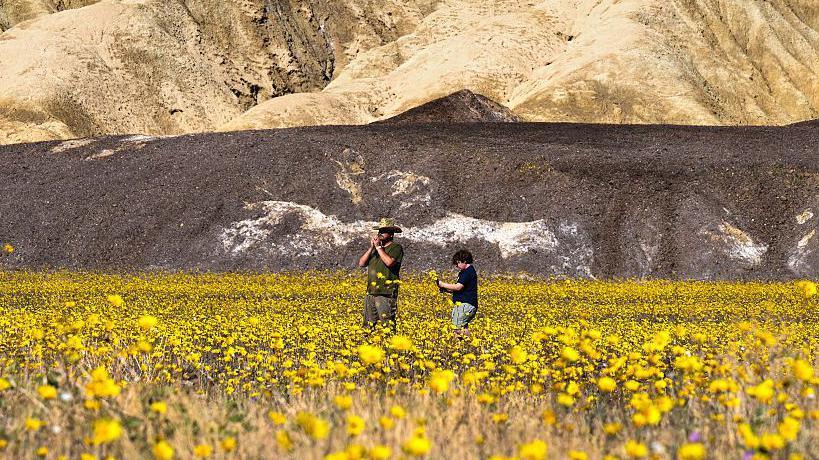
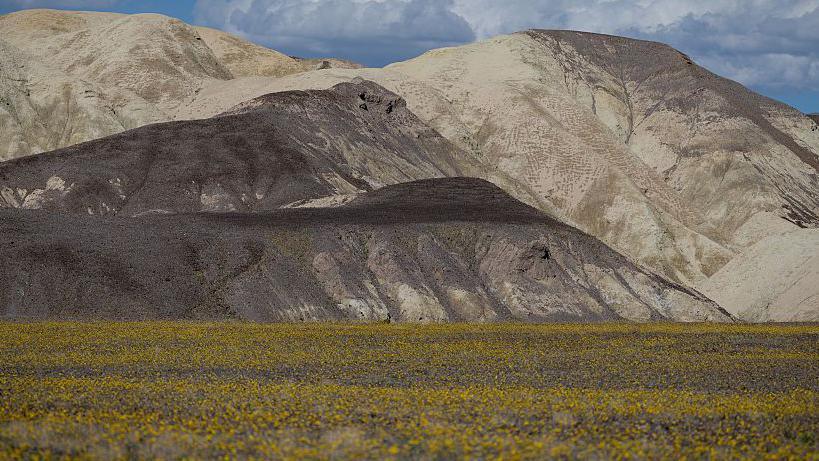
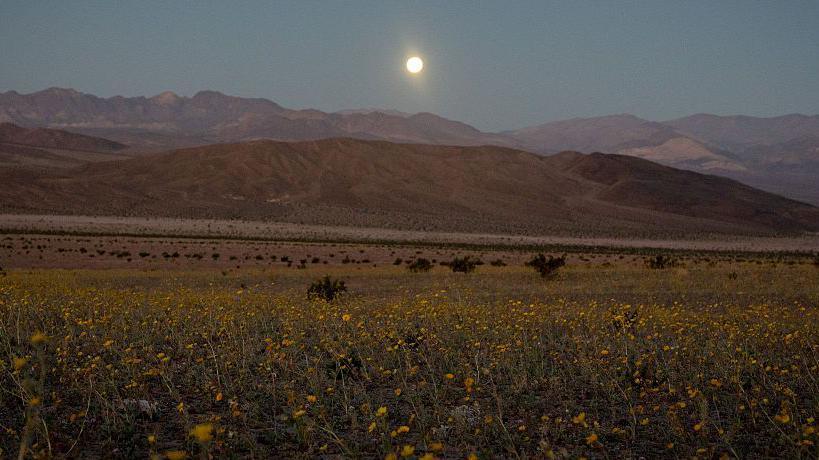
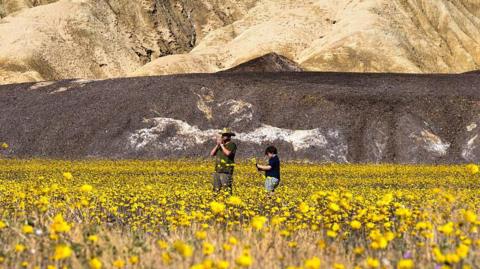
Reporting for 24x7 Breaking News, we are witnessing a phenomenon that defies the brutal reputation of one of the world's most inhospitable environments. Death Valley, long defined by its record-breaking heat and arid landscape, has been transformed into a sprawling canvas of color as a rare desert superbloom blankets the basin. This floral explosion, the most significant since 2016, offers a fleeting glimpse into the resilience of nature in the face of extreme climate volatility.
- A Rare Botanical Awakening in the Hottest Place on Earth
- The Science Behind the Desert Transformation
- The Real-World Impact: More Than Just a Tourist Attraction
- A Humanitarian Perspective
- Frequently Asked Questions (FAQ)
- What is a superbloom?
- When is the best time to visit Death Valley for the flowers?
- Are there any rules for viewing the flowers?
- Join the Conversation
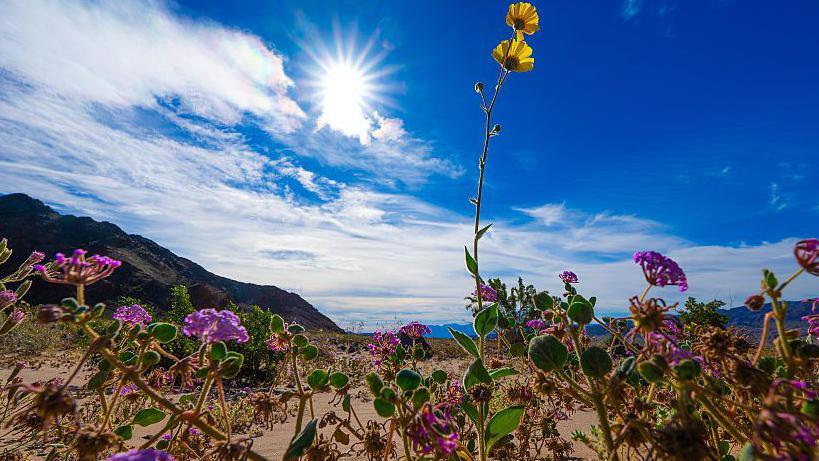
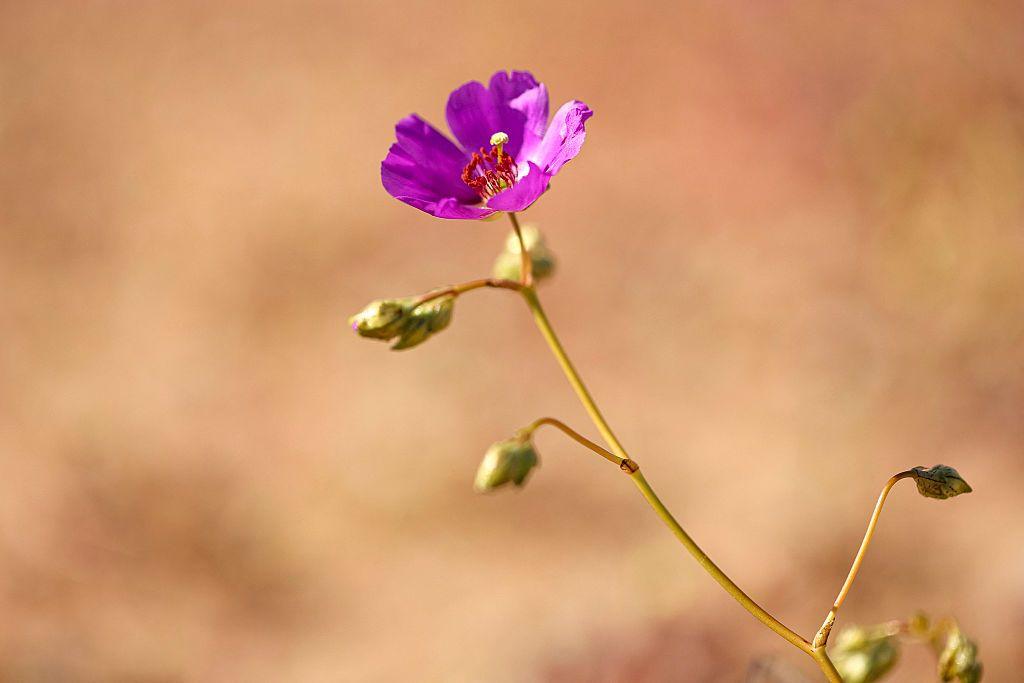
The National Park Service (NPS) officially categorized this as an above-average bloom year on February 22, 2026. While officials are exercising caution with the term "superbloom," the sheer density of flora—ranging from golden desert gold to violet grape soda lupine—has stunned researchers and visitors alike. This is not merely a pretty sight; it is a profound botanical event triggered by a delicate sequence of environmental conditions that have rarely aligned so perfectly in recent memory.
The Science Behind the Desert Transformation
The catalyst for this floral resurgence lies in the unusual weather patterns of the past six months. According to climatological data, Death Valley received a record-breaking 2.41 inches of rain during the autumn of 2025. This significant hydration served a dual purpose: it effectively washed away the chemical inhibitors on wildflower seeds that typically prevent germination in the harsh desert soil, while also providing the deep-reaching moisture necessary for root systems to take hold.
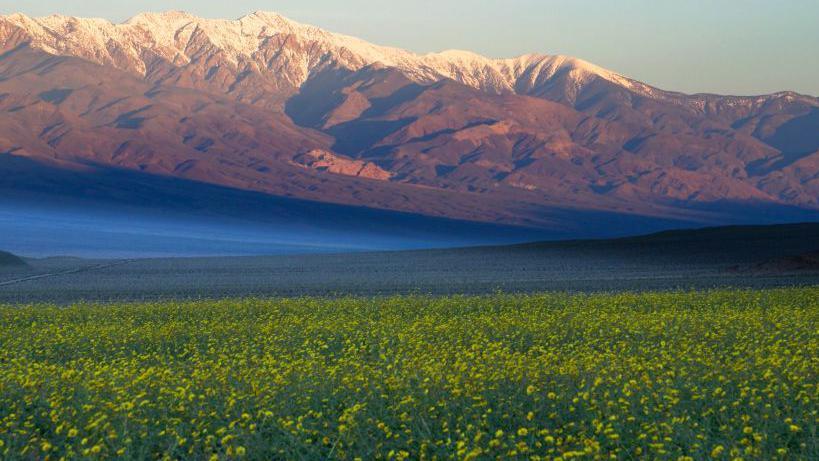
The subsequent winter months provided the consistent, steady moisture required for the plants to thrive. Unlike a standard year where seeds might sprout only to wither under the relentless sun, this season has seen the flowers capitalize on a rare window of environmental stability. As the NPS notes, we are currently seeing low-elevation flowers dominating the valley floor, with expectations that these blossoms will persist through mid-to-late March. Higher elevation areas are expected to follow, extending the visual spectacle through June.
The Real-World Impact: More Than Just a Tourist Attraction
For the average American, this event offers a rare opportunity to witness the raw power of ecology firsthand. The influx of visitors traveling to witness the Death Valley wildflower bloom provides a necessary economic boost to local gateway communities that often struggle during the peak heat of summer. It is a reminder that our national parks are not just static monuments, but living, breathing systems that reflect the health of our planet.
However, the beauty of this event should not distract us from the underlying fragility of these ecosystems. As we navigate a changing climate, these rare events become increasingly precious. Whether you are interested in the geopolitical shifts impacting the Global Oil Price Crisis or simply seeking solace in the natural world, the state of our environment is a shared concern that transcends borders and political divides. Protecting these spaces ensures that future generations can witness the desert not as a barren wasteland, but as a vibrant testament to life's tenacity.
A Humanitarian Perspective
In a world often dominated by headlines of conflict—from shifting strategies in the Middle East to the complexities of global diplomacy—the wildflower bloom offers a moment of collective pause. There is a deep, inherent humanity in our shared desire to witness beauty, to document it, and to protect it. When we stand amidst a valley of flowers, the urgency of our daily stresses fades, replaced by a profound appreciation for the natural rhythms that sustain us all.
We must advocate for policies that prioritize the preservation of our public lands, ensuring that the integrity of environments like Death Valley remains intact. Human dignity is inextricably linked to the health of the spaces we inhabit; when nature thrives, we find the space to reflect, recover, and connect. Let us use this season of bloom to renew our commitment to stewardship and mutual understanding.
Frequently Asked Questions (FAQ)
What is a superbloom?
A superbloom is an exceptionally rare botanical event in which an unusually high proportion of wildflowers germinate and blossom simultaneously, usually due to specific, favorable rainfall patterns.
When is the best time to visit Death Valley for the flowers?
Low-elevation blooms are currently peaking and expected to last through late March. Higher elevation areas in the park are predicted to begin their bloom cycle in April and continue through June.
Are there any rules for viewing the flowers?
Yes, visitors must practice "Leave No Trace" principles. Please stay on established trails to avoid trampling the delicate wildflowers and their root systems, ensuring others can enjoy the display as well.
Join the Conversation
This rare Death Valley superbloom is a poignant reminder that even the harshest environments can surprise us with life, provided they are given the right conditions to flourish. It serves as a beautiful, ephemeral window into the resilience of the natural world, yet it also highlights the climate instability that could make such sights increasingly rare. If we know that climate change threatens these delicate ecosystems, do we have a moral obligation to restrict public access to parks during rare, fragile events like this one?

This article was independently researched and written by Hussain for 24x7 Breaking News. We adhere to strict journalistic standards and editorial independence.
Comments
Post a Comment