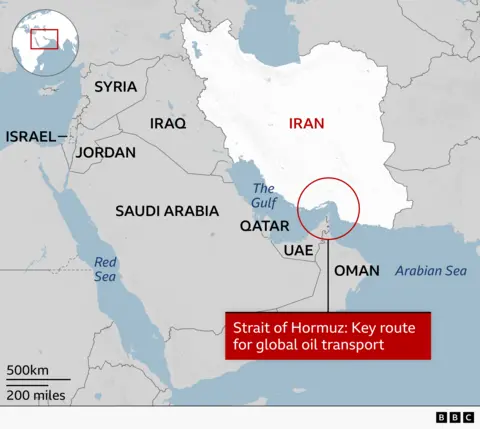
The Escalating Crisis at the Strait of Hormuz
Global markets plummeted on Monday as the geopolitical standoff between Washington and Tehran reached a critical, potentially irreversible turning point. Reporting for 24x7 Breaking News, we have tracked the significant slump in Asian markets as investors react to the threat of intensified military action within the Strait of Hormuz, a vital artery for global energy supplies.
- The Escalating Crisis at the Strait of Hormuz
- The Economic Toll of a Blockaded Waterway
- Tensions Reach a Boiling Point
- The Real-World Impact on Everyday Families
- A Humanitarian Perspective: The Cost of Conflict
- People Also Ask
- How does the Strait of Hormuz affect global gas prices?
- What is the current status of the energy crisis?
- How do stock markets typically react to geopolitical conflict?
- Reflecting on Global Stability
As of early trading, Japan’s Nikkei 225 index fell by 3.4%, while South Korea’s Kospi index saw a sharper decline of nearly 5%. This volatility follows a high-stakes ultimatum issued by President Donald Trump on Saturday, where he threatened to target Iranian power plants if the shipping channel is not reopened within 48 hours.
The Economic Toll of a Blockaded Waterway
The Strait of Hormuz serves as the world’s most significant oil chokepoint, with approximately 20% of global oil and liquefied natural gas (LNG) transiting through the narrow passage. Since the conflict escalated on February 28 following joint US-Israeli military operations, the waterway has remained effectively blocked, triggering a massive supply-side shock to the global energy market.
International Energy Agency (IEA) chief Fatih Birol offered a grim assessment during a speech at the National Press Club in Australia. Birol characterized the current situation as the most severe energy crisis in decades, noting, "This crisis as things stand is now two oil crises and one gas crash put all together." He drew direct parallels to the 1970s energy shocks and the market instability following the 2022 invasion of Ukraine.
Tensions Reach a Boiling Point
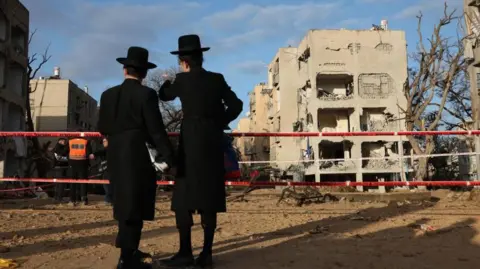
The rhetoric from both capitals has intensified in recent hours. President Trump’s social media declaration at 23:44 GMT Saturday demanded the immediate opening of the Strait, stating the US would target Iranian infrastructure, starting with their "biggest" power plants. This threat was a direct response to missile strikes against the Israeli city of Dimona and the nearby town of Arad.
Tehran’s response was swift and uncompromising. Mohammad Bagher Ghalibaf, the speaker of the Iranian parliament, warned on Sunday that any strike on Iranian energy infrastructure would result in the "irreversible destruction" of regional power and desalination facilities. This tit-for-tat escalation has left energy traders and geopolitical analysts scrambling to model the impact of a sustained, long-term regional conflict.
The Real-World Impact on Everyday Families
While equity traders watch ticker symbols, the human reality of this crisis will be felt at the kitchen table. As fuel prices rise, the cost of transportation, heating, and basic goods increases proportionally. For families already stretched thin by inflationary pressures, a prolonged closure of the Strait of Hormuz could lead to a significant spike in utility bills and gasoline prices.
Small businesses that rely on consistent logistics and affordable shipping will face immediate margin compression. The ripple effects of this energy instability do not respect national borders; they are felt in the grocery store prices of suburban families and the heating costs of those in colder climates. In our assessment, the systemic fragility of our global energy reliance has once again been exposed, leaving ordinary citizens the most vulnerable to the decisions of political leaders.
A Humanitarian Perspective: The Cost of Conflict
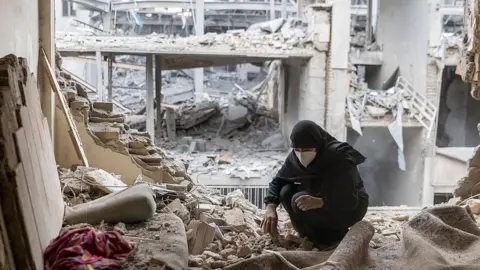
We believe that when diplomacy fails, it is always the civilian population that pays the ultimate price. The threat of obliterating energy infrastructure—the very lifeblood of a modern society—is a strategy that risks creating a humanitarian catastrophe. Whether it is the disruption of power to hospitals, water treatment plants, or residential homes, the targeting of essential infrastructure is a devastating prospect for the people of the region.
As a publication, we advocate for a path toward de-escalation that prioritizes human dignity over geopolitical posturing. Peace is not merely the absence of war; it is the presence of the infrastructure and stability required to sustain life. We must ask ourselves why, in the 21st century, the global community remains so susceptible to the whims of military escalation that threaten the basic survival of millions.
People Also Ask
How does the Strait of Hormuz affect global gas prices?
- The Strait is a critical chokepoint for nearly 20% of the world's oil and LNG. Its closure restricts supply, causing global markets to react with extreme price volatility.
What is the current status of the energy crisis?
- According to the IEA, we are currently facing a compounding energy crisis that rivals or exceeds the shocks of the 1970s, driven by the ongoing conflict in the Middle East.
How do stock markets typically react to geopolitical conflict?
- Markets generally experience significant downward pressure due to increased uncertainty and the risk of long-term supply chain disruptions, as evidenced by the recent slump in the Nikkei and Kospi indices.
Reflecting on Global Stability
The current market sell-off is not just a reaction to numbers on a screen; it is a profound expression of global anxiety regarding the stability of our energy future. As we have observed in our reporting, the interconnectedness of our financial systems means that a conflict in the Middle East is never truly distant from the American consumer. We continue to monitor this situation as it develops, balancing the financial data against the sobering human cost of potential escalation.
If you were in a position of power, would you prioritize the immediate reopening of critical shipping routes through military force, or would you pursue a prolonged diplomatic freeze to avoid the risk of wider regional instability?

This article was independently researched and written by Hussain for 24x7 Breaking News. We adhere to strict journalistic standards and editorial independence.
Comments
Post a Comment