The Global Energy Crisis Intensifies
Reporting for 24x7 Breaking News, we are tracking a volatile shift in the global economy as G7 finance ministers scramble to address a supply shock following the escalation of the conflict between Israel and Iran. With Brent crude prices surging toward $120 a barrel, the specter of a prolonged energy crisis has sent shockwaves through international financial markets.
- The Global Energy Crisis Intensifies
- The Geopolitical Reality Behind the Price Spike
- The Human and Economic Impact
- A Humanitarian Perspective
- Frequently Asked Questions (FAQ)
- Why are G7 nations considering releasing oil reserves?
- What happens if the Strait of Hormuz remains closed?
- How does this impact U.S. inflation?
- The Path Forward
During a high-stakes virtual meeting, officials from the world’s leading economies discussed the potential for a coordinated release of strategic crude oil reserves. While no immediate agreement was finalized, the G7 released a joint statement confirming they stand ready to take necessary measures to stabilize global energy supplies, including tapping into the 1.2 billion barrels of public emergency stocks held by IEA member countries.
The Geopolitical Reality Behind the Price Spike
The current market instability follows a week of intense military activity. Fresh waves of airstrikes by the United States and Israel have targeted Iranian oil refineries and energy infrastructure, while Iran has responded by targeting regional energy assets, including drone strikes intercepted near Saudi Arabian oilfields.
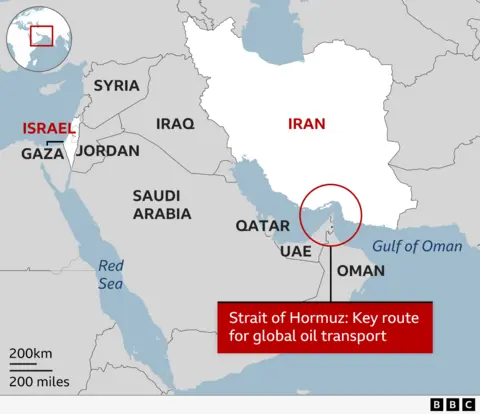
The Strait of Hormuz, the world’s most critical maritime chokepoint, has seen traffic grind to a halt. Typically, roughly one-fifth of global oil production flows through this narrow passage; its closure represents a systemic risk that has forced analysts to reconsider the long-term outlook for inflation and interest rates.
As noted by Fatih Birol, head of the International Energy Agency (IEA), the deterioration of global oil markets is creating significant risks. While member nations possess massive emergency stockpiles—last utilized during the 2022 response to the invasion of Ukraine—French Finance Minister Roland Lescure cautioned that the coalition is "not there yet" regarding an immediate release.
The Human and Economic Impact
For everyday Americans and families across the globe, the volatility in crude prices is not merely a headline; it is a direct hit to household budgets. Rising energy costs inevitably trickle down to the gas pump, grocery bills, and utility rates, potentially stalling the economic momentum central banks have fought to maintain.
The uncertainty is particularly difficult for those already struggling with the cost of living. As we explore the broader implications of these global shifts, it is clear that stability in the Middle East is fundamentally tied to the price of a gallon of gasoline in your local neighborhood. Much like the complex debates surrounding the future of artificial intelligence, these geopolitical conflicts require a delicate balance between security imperatives and human economic well-being.
A Humanitarian Perspective
Beyond the spreadsheets and ticker symbols, this conflict represents a profound tragedy for the civilians caught in the crossfire. The destruction of essential infrastructure does not just disrupt markets; it destroys livelihoods and pushes vulnerable populations toward greater hardship.
True security cannot be built through destruction alone. As we reflect on the potential for peace, we must consider the human cost of these escalations. Much like the tragic loss of a beloved educator in recent local news, these international events remind us that the fabric of our society is fragile and requires constant, compassionate stewardship.
Frequently Asked Questions (FAQ)
Why are G7 nations considering releasing oil reserves?
The release is intended to mitigate supply shortages, lower volatile market prices, and prevent the inflationary pressures that occur when energy costs spike globally.
What happens if the Strait of Hormuz remains closed?
A continued closure of this vital artery would drastically reduce the global supply of crude, likely keeping prices at elevated levels and threatening energy security for major importers.
How does this impact U.S. inflation?
Higher oil prices increase production and transportation costs for businesses, which are frequently passed on to consumers as higher prices for goods and services.
The Path Forward
The duration of this conflict remains the single most critical variable for the global economy. As markets continue to fluctuate, the G7 remains in a state of high alert, balancing the need for immediate supply stabilization against the long-term goal of de-escalation in the Middle East. Ensuring a stable energy supply remains the primary goal for international policymakers.
If the global community prioritizes short-term military objectives over the stability of the international energy market, are we effectively inviting a prolonged economic recession that will hurt the most vulnerable among us?



This article was independently researched and written by Hussain for 24x7 Breaking News. We adhere to strict journalistic standards and editorial independence.
Comments
Post a Comment