Reporting for 24x7 Breaking News.
- A Bold New Direction, Or a Step Too Far for BMW?
- The Aesthetics of Electrification: A Designer's Dissection
- Navigating the Charging Landscape and Real-World Range
- The iX3's Place in BMW's Electrified Pantheon
- Frequently Asked Questions (FAQ)
- What is the primary criticism of the BMW iX3's design?
- What is the estimated real-world range of the BMW iX3?
- How does the BMW iX3's charging speed compare to other EVs?
- Is the BMW iX3 built on a dedicated electric platform?
A Bold New Direction, Or a Step Too Far for BMW?
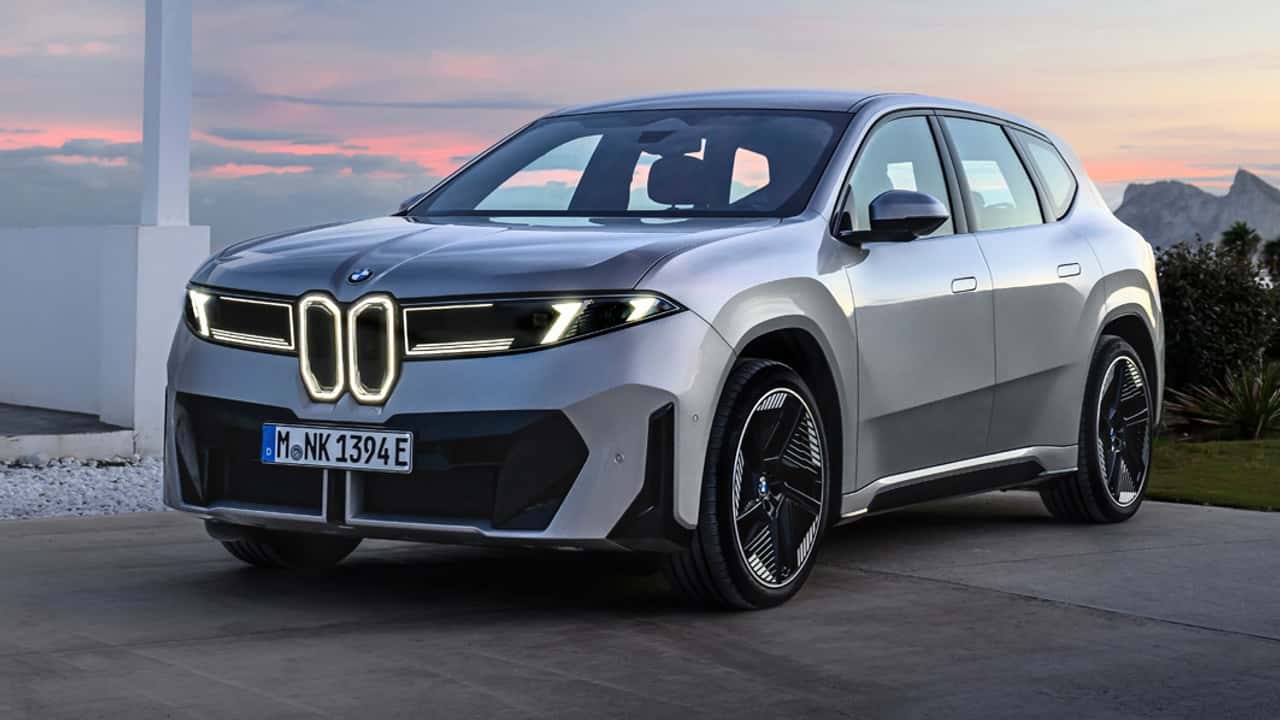
The automotive world is no stranger to design evolution, but BMW's latest foray into the electric SUV segment, the iX3, has ignited a firestorm of debate. While the German automaker has consistently pushed boundaries with its electrified offerings, the visual execution of the iX3, particularly its front-end styling, has drawn sharp criticism from unexpected corners. Notably, a former lead designer from BMW itself has publicly voiced strong reservations, labeling the aesthetic as 'visually jarring' and a departure from the brand's historically lauded design language.
This critique comes at a pivotal moment for BMW and the broader automotive industry. As manufacturers race to meet ambitious electrification targets, the pressure to innovate extends beyond powertrains and into the very skin of their vehicles. The iX3, positioned as a key player in the premium electric SUV market, finds itself at the center of a conversation about whether aggressive design choices are alienating core brand loyalists or paving the way for a fresh, forward-looking identity.
The Aesthetics of Electrification: A Designer's Dissection
The source of the controversy appears to be concentrated around the iX3's distinctive grille and overall front fascia. Unlike its internal combustion engine counterparts, the iX3, being fully electric, does not require the same level of airflow. This has allowed BMW designers creative license, leading to a closed-off, bolder interpretation of the signature kidney grille. However, according to industry veterans, this bold move has not landed with universal acclaim.
Sources close to the design critique suggest that the proportions and the sharp, angular lines of the iX3's front end create a visual dissonance. The critique posits that while electric vehicles offer a clean slate for design, the execution on the iX3 feels less like a harmonious evolution and more like a series of disparate elements forced together. This sentiment echoes concerns that some manufacturers are struggling to translate the unique characteristics of electric propulsion into universally appealing aesthetics, a challenge that even established luxury brands are grappling with.
This isn't the first time a luxury automaker has courted controversy with its design. Recall the initial reactions to the dramatic styling of the upcoming Ferrari Luce, a vehicle that also aims to blend cutting-edge electric technology with the brand's unmistakable flair. While Ferrari often thrives on pushing aesthetic envelopes, the iX3's situation highlights the delicate balance BMW is attempting to strike between its heritage and its electric future.
Navigating the Charging Landscape and Real-World Range
Beyond the visual debates, the iX3's practical appeal hinges on its performance as an electric vehicle. For drivers in North America and the UK, the reality of EV ownership is intrinsically linked to range and charging infrastructure. The iX3, with its estimated range of approximately 285 miles (WLTP), offers a competitive figure for daily commuting and moderate road trips. However, the true test lies in how this translates to real-world conditions, especially during colder months or when navigating the often-patchy public charging networks.
The charging speed of the iX3 is also a crucial factor. Supporting DC fast charging up to 150 kW, a full charge from 10% to 80% can theoretically be achieved in about 34 minutes. While this is a significant improvement over older EV technology, it still requires strategic planning for longer journeys. The experience of waiting for a charge, particularly during peak travel times, remains a significant hurdle for widespread EV adoption, a reality that even the most stylish vehicles cannot entirely overcome.
Consider the broader implications for brands like Chrysler, which is undergoing a significant leadership change and a push toward electrification. The success of models like the iX3 will undoubtedly influence consumer expectations and the strategic direction for other legacy automakers seeking to reinvent themselves in the EV era. A poorly received design, coupled with real-world usability concerns, could create a ripple effect across the industry.
The iX3's Place in BMW's Electrified Pantheon
The iX3 is built upon BMW's established X3 platform, a strategy that allows for a more rapid transition to electric power without a complete ground-up redesign. This approach offers benefits in terms of production efficiency and familiarity for consumers transitioning from gasoline-powered X3 models. The interior, while featuring subtle blue accents and digital displays indicative of its electric nature, largely retains the upscale and driver-focused layout characteristic of the X3 range.
However, this platform-sharing approach might also be a contributing factor to the design critiques. Some argue that the exterior styling has been adapted rather than inherently conceived for an electric architecture, leading to compromises. For instance, the absence of a dedicated EV skateboard platform means the iX3 doesn't offer the same interior packaging flexibility seen in some competitors designed from the outset as electric vehicles. This is a common challenge as automakers balance the urgent need for EVs with existing manufacturing infrastructures.
The driving dynamics are also a point of consideration. BMW has long been lauded for its 'Ultimate Driving Machine' ethos. With the iX3, engineers have focused on delivering a smooth, quiet, and responsive electric drive, leveraging the low center of gravity afforded by the battery pack. The performance is brisk, with the single electric motor producing 282 horsepower, allowing for a 0-60 mph sprint in around 6.8 seconds. While competent, it may not evoke the same visceral thrill as some of BMW's performance-oriented M models, or even the track-focused ferocity of a hypercar like the Bugatti Bolide, which prioritizes raw, unadulterated speed.
Frequently Asked Questions (FAQ)
What is the primary criticism of the BMW iX3's design?
The main criticism revolves around its front-end styling, particularly the large, closed-off kidney grille, which some industry professionals and design critics have described as 'visually jarring' and inconsistent with BMW's traditional aesthetic principles.
What is the estimated real-world range of the BMW iX3?
The BMW iX3 has an estimated WLTP range of approximately 285 miles. Real-world range can vary significantly based on driving conditions, speed, temperature, and usage of climate control systems.
How does the BMW iX3's charging speed compare to other EVs?
The iX3 supports DC fast charging up to 150 kW, allowing for a 10% to 80% charge in about 34 minutes. This is competitive within its segment but may not match the fastest charging speeds offered by some newer, dedicated EV platforms.
Is the BMW iX3 built on a dedicated electric platform?
No, the BMW iX3 is based on the same CLAR platform as the gasoline-powered X3 SUV, adapted for electric propulsion. This differs from vehicles built on dedicated EV 'skateboard' architectures.
The BMW iX3 represents a crucial step in the brand's electric transition, attempting to meld its established luxury SUV formula with the demands of zero-emission mobility. While its powertrain and practicality offer a compelling package for many, the polarizing exterior design ensures it will be a talking point for years to come, impacting how consumers perceive BMW's evolving visual identity in the electric age.
So here's the real question — can a vehicle's design be so divisive that it overshadows its technological advancements and brand heritage in the rapidly evolving EV market?
This article was independently researched and written by Hussain for 24x7 Breaking News. We adhere to strict journalistic standards and editorial independence.
Comments
Post a Comment