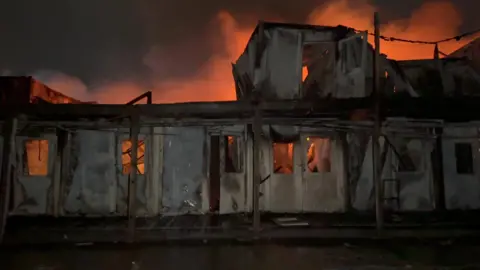
A Humanitarian Catastrophe in Kabul
Reporting for 24x7 Breaking News, we are tracking a devastating event in Afghanistan’s capital. A drug rehabilitation facility, which was once a former U.S. military base, was struck by an airstrike late Monday evening, resulting in dozens of casualties. The Taliban government has directly blamed Pakistan for the attack, though Islamabad has vehemently denied the allegations.
- A Humanitarian Catastrophe in Kabul
- The Geopolitical Tensions Behind the Strike
- The Real-World Impact on Afghan Families
- A Humanitarian Perspective
- Frequently Asked Questions (FAQ)
- What caused the explosion at the Kabul rehabilitation centre?
- How many people were in the facility during the attack?
- What is the current status of the border conflict?
- Join the Conversation
The facility was home to approximately 2,000 people receiving treatment at the time of the blast. Witnesses at the scene reported hearing massive explosions around 20:50 local time, followed by the sound of aircraft overhead. As of Tuesday morning, rescue teams were still pulling bodies from the charred rubble, with some officials fearing the final death toll could reach into the hundreds.
The Geopolitical Tensions Behind the Strike
The strike has exacerbated an already fragile security situation between Afghanistan and Pakistan. While the Taliban administration claims the attack was an unprovoked act of aggression, Pakistan’s information ministry released a statement asserting that they 'precisely targeted military installations and terrorist support infrastructure' in Kabul and Nangarhar. They dismissed the Afghan claims as a calculated attempt to stir sentiment regarding cross-border tensions.
Sharafat Zaman Amarkhail, a spokesperson for the Afghan health ministry, maintained that there were no military facilities in the immediate vicinity of the rehabilitation center. This clash comes on the heels of months of deteriorating relations between the two neighbors. According to the United Nations Assistance Mission in Afghanistan (UNAMA), at least 75 people have been killed and nearly 200 injured in cross-border fighting since February 26th.
The Real-World Impact on Afghan Families
For the families of those struggling with addiction, this tragedy represents a profound collapse of the few safety nets available in the country. The rehabilitation center was not just a building; it was a sanctuary for individuals rounded up from the streets of Kabul to undergo detox and recovery. When global headlines focus on military strategy or geopolitical posturing, the reality on the ground is the loss of vulnerable lives who were in the process of seeking a second chance.
This is a stark reminder of how regional conflicts, similar to the high-stakes dilemmas we observe in other volatile theaters of war, inevitably claim the most marginalized citizens. Beyond the politics of borders, we are looking at the destruction of a vital health resource in a nation already struggling with a massive humanitarian crisis.
A Humanitarian Perspective
The sight of survivors and families picking through the debris of a health facility is a harrowing image that defies simple military justification. Regardless of the political rhetoric surrounding 'terrorist infrastructure,' the loss of life at a rehabilitation center strikes at the core of human dignity. Peace must be prioritized over territorial score-settling, particularly when the lives of the sick and recovering are the ones being sacrificed.
China, attempting to mediate the dispute, has urged both nations to 'exercise restraint' and engage in face-to-face dialogue. Without a sustainable ceasefire, the cycle of violence will continue to displace and destroy the lives of those least equipped to survive it.
Frequently Asked Questions (FAQ)
What caused the explosion at the Kabul rehabilitation centre?
The Taliban government has attributed the explosion to an airstrike by Pakistan, while Pakistan claims its operations were restricted to precise strikes against militant infrastructure.
How many people were in the facility during the attack?
Officials at the site reported that approximately 2,000 individuals were being treated at the centre when the strike occurred.
What is the current status of the border conflict?
Tensions remain at a breaking point, with over 75 people killed in cross-border skirmishes since late February, according to UNAMA data.
Join the Conversation
This tragedy highlights the urgent need for diplomatic intervention in a region that continues to suffer under the weight of endless conflict. We must ask ourselves what the cost of these 'precise' military operations truly is when they land on the doorstep of the most vulnerable. So here is the real question: Can international mediation actually prevent a full-scale war between Afghanistan and Pakistan, or is the cycle of violence now beyond external control?

This article was independently researched and written by Hussain for 24x7 Breaking News. We adhere to strict journalistic standards and editorial independence.
Comments
Post a Comment