The Return of Mandatory Military Service in Croatia
Reporting for 24x7 Breaking News, the landscape of European security has shifted dramatically this week as Croatia officially reinstated compulsory military service. For the first time since 2008, hundreds of teenagers have reported to barracks across the country, marking a significant departure from the post-Cold War era of volunteer-only defense forces. This move underscores the intensifying anxiety rippling through the Balkans as the shadow of the conflict in Ukraine stretches across the continent.
- The Return of Mandatory Military Service in Croatia
- A Shift in the Balkan Security Paradigm
- The Human Experience: Volunteering Amidst the Draft
- Frequently Asked Questions (FAQ)
- Why did Croatia bring back conscription after nearly two decades?
- Are there options for those who refuse to serve?
- How does this impact the wider Balkan region?
- What is the scale of the new program?
More than 800 recruits arrived at their assigned facilities today to begin an intensive two-month training cycle. According to Tihomir Kundid, Chief of the General Staff of the Armed Forces of Croatia, the transition from civilian life is being managed with a focus on gradual acclimatization. While the term 'military discipline' may sound jarring to modern ears, officials were quick to reassure families that the program is designed to integrate these young citizens into the defense structure without unnecessary psychological strain.
A Shift in the Balkan Security Paradigm
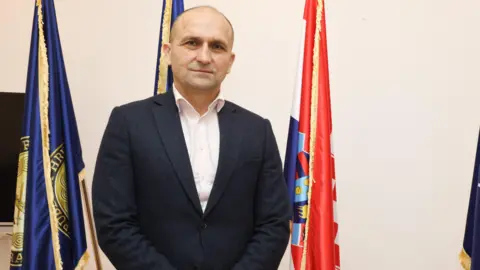
The decision to bring back the draft is not an isolated policy choice but a direct response to the volatile geopolitical climate. Defense Minister Ivan Anusic has been vocal regarding the proximity of the war in Ukraine, noting that the relative stability of the region has evaporated. With only Hungary sitting between Croatia and the front lines of the conflict, the government views a bolstered, ready-to-deploy reserve force as a fundamental necessity for national sovereignty.
This development follows a broader trend among NATO members. Croatia now joins a cohort of 10 alliance nations—including Greece, Turkey, and various Baltic and Scandinavian states—that have reverted to mandatory service. The regional implications are stark; as Croatia arms itself and formalizes military alliances with neighbors like Kosovo and Albania, nearby nations are reacting in kind. For more on how global instability affects our resources, read our report on Global Energy Markets.
The Human Experience: Volunteering Amidst the Draft
Perhaps the most striking statistic to emerge from this week’s intake is that more than half of the 800 recruits did not wait for their draft papers; they volunteered. This level of participation suggests a profound, if complex, sense of civic duty among Croatia’s youth. Even more notable is the demographic shift, with one in ten recruits being women, who remain under no legal obligation to participate.
While the state is focusing on modernizing its forces with training in basic drone control, cyberwarfare, and traditional combat skills, the reality for these families is a sudden change in lifestyle. The military has permitted the use of mobile phones outside of training hours, a small but significant nod to the connectivity that defines the lives of today's teenagers. It is a stark reminder that while the geopolitical stakes rise, the individuals on the front lines remain tethered to the digital world.
Frequently Asked Questions (FAQ)
Why did Croatia bring back conscription after nearly two decades?
- The government cited the worsening security situation in Europe, specifically Russian aggression in Ukraine and the influence of regional proxies, as the primary drivers for the policy shift.
Are there options for those who refuse to serve?
- Yes, individuals may register as conscientious objectors. However, they are required to perform four months of civilian service, and they receive significantly less financial compensation than active-duty military recruits.
How does this impact the wider Balkan region?
- Military analysts, including James Ker-Lindsay, warn that this creates a 'security dilemma' where regional neighbors feel compelled to increase their own military spending and recruitment, potentially leading to a localized arms race.
What is the scale of the new program?
- The Ministry of Defence plans to conduct three additional intakes this year, with a stated long-term goal of training 4,000 recruits annually.
As the regional landscape continues to fracture, the return to a draft system remains a controversial yet increasingly common solution for nations feeling the pressure of a changing world order. Whether this buildup serves as a deterrent to aggression or a catalyst for further regional tension remains a subject of intense debate among international observers. Would you support the return of mandatory military service in your country if you felt the threat of war was approaching your borders?
This article was independently researched and written by Hussain for 24x7 Breaking News. We adhere to strict journalistic standards and editorial independence.
Comments
Post a Comment