Reporting for 24x7 Breaking News. The much-hyped Barbie Dream Fest in Florida has imploded, with organizers now scrambling to issue full refunds to a chorus of angry ticketholders. Promising "unforgettable experiences" and a nostalgic journey for Barbie fans of all ages, the event appears to have drastically underdelivered, leaving attendees feeling swindled and disappointed. The backlash, fueled by social media and attendee testimonials, highlights a growing tension between aspirational event marketing and the reality delivered to consumers.
- When Imagination Meets Reality: The Barbie Dream Fest Debacle
- The Social Media Fallout: A Digital Outcry
- Mattel's Response and the Echoes of Past Fiascos
- The Economic and Emotional Toll on Consumers
- Frequently Asked Questions (FAQ)
- What was the Barbie Dream Fest?
- Why are refunds being issued?
- How much did tickets cost?
- Who organized the event?
When Imagination Meets Reality: The Barbie Dream Fest Debacle
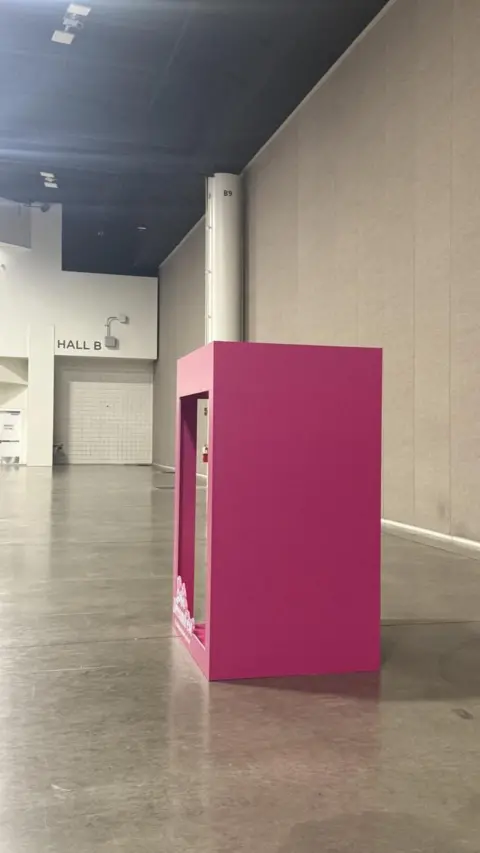
The organizers, Mischief Management, who licensed the iconic Barbie brand from Mattel, advertised a vibrant weekend filled with "three days of glam, nostalgia, and dream-big energy." Social media channels painted a picture of a dazzling, immersive experience, complete with a roller rink and disco. However, the stark reality encountered by attendees was a far cry from the glossy promotions. Visitors reported arriving at a drab convention center, adorned with little more than pink cardboard cutouts, leading to immediate feelings of disillusionment.
Michael Gorey, who traveled from Ohio with his family for what was meant to be a spring break highlight, described his initial reaction upon entering the venue: "Is this it? Like, did I miss something?" His sentiment was echoed by countless others who paid prices ranging up to $450 for a weekend pass, with single-day adult tickets costing $72 and children's tickets $33. A premium three-day pass, which included a "swag bag" containing little more than a plastic pouch with hand sanitizer, also failed to justify its steep price point.
The Social Media Fallout: A Digital Outcry
The disappointment quickly spilled onto social media platforms, where attendees shared their grievances. Reddit users decried the "life-size Barbie Dream House" as a mere "cheap backdrop with a picnic table on some fake turf/grass." The burlesque group Hell Hotel, who also attended, expressed their dismay, stating they had "expecting much more based on what was advertised to us through their social media channels." They noted a significant disconnect, with many advertised experiences being height-restricted and suitable only for very young children, alienating the adult demographic who were also targeted.
"There were empty halls, maybe 14 vendors, lack of things to do for all ages and especially a lack of events for our demographic," the group reported. This sentiment underscores a critical failure in understanding and catering to the diverse expectations within the Barbie fan community, which spans multiple generations.
Mattel's Response and the Echoes of Past Fiascos
In response to the mounting complaints, Mattel, the owner of the Barbie brand, issued a statement confirming that full refunds would be provided to all ticket purchasers. "We want every fan experience to be an excellent one," a company representative stated, indicating their collaboration with Mischief Management to address attendee feedback. Mischief Management, in their own statement to the BBC, acknowledged the "passion and engagement from the Barbie community" and reiterated their commitment to full refunds, framing the event as an "intimate fan convention designed to foster meaningful connection, inspiration, and closer access to Barbie and her world."
However, the narrative of a well-intentioned but poorly executed event doesn't entirely quell the frustration. The situation draws striking parallels to the infamous Willy Wonka Experience in Glasgow, which also went viral for its stark contrast between extravagant advertising and a dismal reality. Attendees of that event described an "abandoned, empty warehouse" instead of a magical chocolate factory, leading to widespread disappointment and calls for refunds. These recurring instances raise questions about the oversight and accountability of event organizers who leverage beloved intellectual properties.
The Economic and Emotional Toll on Consumers
Beyond the financial loss, the Barbie Dream Fest incident highlights the emotional investment fans place in such events. For families like the Goreys, who planned their spring break around this experience, the letdown is significant. It’s a stark reminder that even the most nostalgic brands are not immune to disappointing their most ardent supporters when the execution falls short. This mirrors concerns seen in other cultural events, such as the re-evaluation of historical figures like Cesar Chavez, where the public's perception and the reality of legacy can sometimes clash dramatically. The promise of an "unforgettable experience" turned into an unfortunately memorable one for all the wrong reasons.
The core issue appears to be a fundamental misalignment between the marketing budget and the actual event production. While social media campaigns can create immense buzz, they also set high expectations. When the delivered product fails to meet those expectations, the resulting backlash can be swift and severe, damaging brand trust and leading to significant financial repercussions for the organizers, as evidenced by the full refund mandate here.
Frequently Asked Questions (FAQ)
What was the Barbie Dream Fest?
The Barbie Dream Fest was an event held in Florida that promised a weekend of nostalgic experiences for Barbie fans, including a roller rink and disco, but was widely criticized for its poor execution and lack of attractions.
Why are refunds being issued?
Organizers are issuing full refunds due to numerous complaints from attendees who felt the event did not live up to its advertised promises, describing it as a "lacklustre" experience with minimal attractions and misleading marketing.
How much did tickets cost?
Ticket prices varied, with single-day adult passes costing $72, children's passes $33, and three-day passes reaching up to $450, with some premium passes including a basic "swag bag."
Who organized the event?
The event was organized by Mischief Management, who had licensed the Barbie brand from Mattel. Both companies are involved in the refund process.
The Barbie Dream Fest serves as a cautionary tale about the perils of over-promising and under-delivering in the experience economy. As consumers increasingly seek immersive and authentic events, organizers must ensure their actual product matches the marketing hype. So, what does this debacle signal for future branded events, and can organizers truly recapture consumer trust after such public failures?
This article was independently researched and written by Hussain for 24x7 Breaking News. We adhere to strict journalistic standards and editorial independence.
Comments
Post a Comment