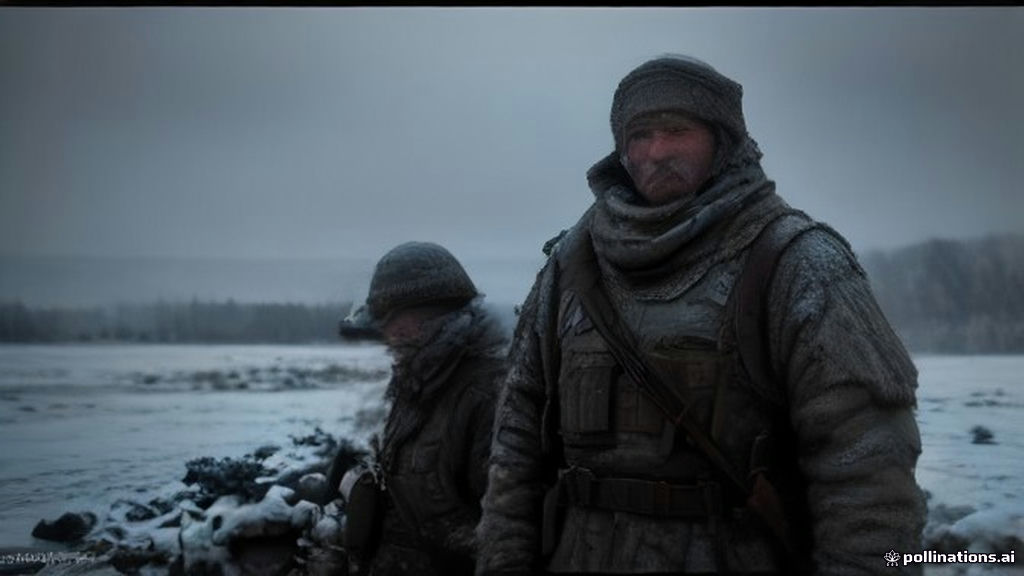
Reporting for 24x7 Breaking News — Across the scarred fields of eastern Ukraine, men in their fifties, sixties, and seventies are operating heavy artillery, repairing combat drones, and fortifying trench positions. The Steppe Wolves of Ukraine, an informal unit comprised primarily of men officially deemed too old or medically unfit to enlist in the regular armed services, has emerged as one of the most stubborn human elements in the country's defensive effort. While military planners in Kyiv and Western capitals debate troop demographics and draft age thresholds, these veteran volunteers have built an operational combat unit entirely outside standard military channels, relying on private donations, salvaged equipment, and decades of personal grit.
- Who Are the Steppe Wolves of Ukraine?
- Adapting Soviet-Era Weaponry with Modern Technology
- How Manpower Realities Shape Ukraine's Volunteer Battalions
- Coordination with Active Army Brigades
- Everyday Realities: The Human Element Behind the Front Lines
- Crowdsourced Logistics and Community Support
- The Risks and Legal Ambiguities Facing Unofficial Units
- Medical and Legal Hazards for Older Combatants
- The Counterpoint: Strategic Debates Over Informal Military Units
- A Humanitarian Perspective: Dignity, Duty, and the Weight of War
- At a Glance: Key Insights on the Steppe Wolves
- Frequently Asked Questions
- Why were members of the Steppe Wolves unable to join the regular Ukrainian army?
- How do the Steppe Wolves obtain their weapons and supplies?
- Are the Steppe Wolves officially recognized by the Ukrainian government?
- Unit Composition: The Steppe Wolves are formed mainly by military veterans and older volunteers aged 50 to over 70 who exceed standard mobilization limits.
- Combat Capabilities: Operating autonomously on front line sectors, the group specializes in mobile artillery, field mechanics, drone reconnaissance, and trench fortification.
- Logistical Model: The unit relies on crowdsourced funding, volunteer networks, and repaired equipment seized or recovered from former battlefields.
- Institutional Context: Their existence highlights the broader human manpower pressure facing Ukrainian armed forces after years of intense war.
Who Are the Steppe Wolves of Ukraine?
As battle lines hardened across the Donbas, thousands of Ukrainian men found themselves turned away from official military enlistment offices. Standard military regulations in Ukraine restricted conscription to specific age brackets, leaving eager older veterans without a formal pathway to join regular army brigades. Refusing to stay on the sidelines, a core group of retired soldiers formed the Steppe Wolves—known in Ukrainian as Stepovi Vovky—creating a specialized over-age military volunteers unit designed to support active frontline operations.
Many members of the unit possess deep technical experience from previous military service during the Soviet era or the 2014 conflict in eastern Ukraine. Their ranks include retired artillery mechanics, diesel engineers, former radio operators, and heavy equipment mechanics. Instead of seeking active infantry assault roles, the unit focuses on artillery fire support, vehicle repairs, and drone reconnaissance operations that demand technical skill and patience over young physical endurance.
Adapting Soviet-Era Weaponry with Modern Technology
What the Steppe Wolves lack in youth, they make up for in mechanical ingenuity. Working out of makeshift workshops in abandoned farm buildings, unit engineers repair damaged artillery pieces abandoned by other units or captured during counteroffensives. They regularly modify legacy Soviet artillery shells to fit repurposed launchers, integrating consumer GPS gear and modern civilian drones to adjust artillery targeting in real time.
- Repurposing discarded Soviet-era artillery shells for precision strike missions.
- Building customized drone battery chargers powered by modified diesel generators.
- Extending the operational life of heavy transport trucks through hand-built spare parts.
As initial reports aggregated on Google News revealed, these volunteer efforts fill critical operational gaps along secondary defensive lines. While younger active-duty brigades lead offensive maneuvers, volunteer units like the Steppe Wolves secure flanks, clear unexploded ordnance, and maintain continuous suppressive artillery fire on enemy troop movements.
How Manpower Realities Shape Ukraine's Volunteer Battalions
The rise of older volunteer units underscores the demographic strains facing Ukraine after years of intense attrition warfare. When Russia launched its full-scale invasion in 2022, millions of Ukrainians volunteered for local defense forces. Over time, as the conflict expanded into a prolonged war of attrition, official mobilization drives focused primarily on younger age cohorts, creating strict age ceilings for combat roles.
This structural reality left tens of thousands of older patriotic citizens in a bureaucratic limbo. Although Ukraine lowered its minimum conscription age from 27 to 25 to bolster troop numbers, legal enlistment caps prevented many willing older citizens from signing regular military contracts. The Ukrainian volunteer battalion ecosystem adapted by creating unofficial auxiliary units that operate alongside official brigades under informal local commanders.
Coordination with Active Army Brigades
Although the Steppe Wolves operate outside the formal command structure of the Armed Forces of Ukraine, their operations are closely coordinated with regional army commanders. Active military units frequently supply the volunteers with discarded shell casings, fuel, and target coordinates. In return, the Steppe Wolves provide supplemental fire coverage, relieving fatigue on regular military personnel stationed in high-intensity sectors.
This arrangement reflects a broader tactical evolution seen across Ukraine's battlefronts. With deadly Russian strikes on Ukrainian infrastructure putting immense strain on logistics, decentralized units that source their own spare parts and supplies have proven remarkably resilient under pressure.
Everyday Realities: The Human Element Behind the Front Lines
Beyond the geopolitical debate over troop numbers and international aid packages lies the human reality of older men fighting for their homeland. In civilian life, members of the Steppe Wolves were tractor drivers, high school history teachers, small business owners, and grandfathers. Today, they sleep in dugout shelters reinforced with timber and sandbags, enduring freezing winters and mud-drenched spring thaws.
For many of these men, joining the unit was less a military decision and more a moral imperative. Many have children or grandchildren serving in active-duty combat units elsewhere along the front line. Operating artillery batteries or assembling reconnaissance drones gives these older veterans a direct way to protect their families and share the heavy burden carried by the younger generation.
Crowdsourced Logistics and Community Support
Without formal military funding, the day-to-day survival of the Steppe Wolves depends on a vast network of civilian volunteers across Ukraine and abroad. Internet donations pay for diesel fuel, winter clothing, medical supplies, and commercial drone units. Ukrainian bakeries, local farmers, and international volunteer groups regularly ship food rations directly to the unit's hidden bases near the front lines.
This volunteer-driven supply chain mirrors the wider innovation occurring across Ukrainian military logistics. From specialized repair workshops to decentralized drone warfare targeting Russian energy hubs, grassroots support networks have become as vital to the war effort as standard military quartermasters.
The Risks and Legal Ambiguities Facing Unofficial Units
Despite their tactical contributions, unofficial volunteer units operate with significant vulnerabilities and institutional risks. Because members of the Steppe Wolves are not formally enrolled in the standard military registry, they often lack formal legal protections, military pensions, or state-sponsored medical care if injured in combat.
Standard military command structures sometimes struggle to integrate informal units into broader strategic planning. Weaponry availability remains precarious; artillery units frequently run low on ammunition when standard army supply channels prioritize official military brigades during major defensive actions.
Medical and Legal Hazards for Older Combatants
- Medical Care Gaps: Injured volunteer fighters must often rely on civilian volunteer doctors or regional public hospitals rather than dedicated military medical evacuation networks.
- Equipment Shortages: Reliance on donated or salvaged gear means weapons systems are prone to mechanical failure under prolonged firing conditions.
- Legal Status: Without formal contracts, volunteers face legal hurdles regarding official combat veteran status and government disability benefits.
The Counterpoint: Strategic Debates Over Informal Military Units
Military analysts and defense officials hold differing views regarding the operational role of unofficial volunteer units in modern warfare. Opponents argue that allowing armed groups to operate outside a unified centralized chain of command creates operational risk, potential friendly-fire hazards, and accountability challenges on the battlefield.
Conversely, proponents argue that flexible volunteer units like the Steppe Wolves provide critical operational agility that rigid military bureaucracies cannot match. In prolonged war scenarios where standing army reserves are stretched thin, highly motivated specialized units offer valuable localized defense capability without burdening the central military budget for pay and pensions.
A Humanitarian Perspective: Dignity, Duty, and the Weight of War
In our assessment, the story of the Steppe Wolves reveals both the extraordinary resilience and the profound tragedy of modern conflict. When men in their sixties and seventies feel compelled to pick up rifles and heavy machinery to protect their homes, it reflects a society pushed to its absolute limits by external aggression. These are not young soldiers seeking glory or career advancement; they are grandfathers defending the right of their families to exist in peace.
Acknowledging the humanity of these volunteer soldiers requires recognizing their personal sacrifice while confronting the systemic failures that make such sacrifice necessary. Universal human dignity demands that older citizens be allowed to spend their later years in peace and security, rather than enduring artillery bombardments in frozen trenches. Their courage deserves respect, but the global community must remain clear-eyed about the immense human cost paid by ordinary people when war tears through their communities.
At a Glance: Key Insights on the Steppe Wolves
- Who They Are: A self-organized Ukrainian volunteer combat unit composed mainly of men over standard military age limits.
- Primary Role: Providing mobile artillery fire, repairing mechanical equipment, and launching civilian reconnaissance drones.
- Funding Model: Operational expenses are covered primarily by public crowdsourcing, civilian donations, and volunteer support.
- Strategic Impact: Relieves pressure on active-duty army units by securing secondary frontline sectors and maintaining artillery coverage.
- Main Challenge: Lack of formal legal status, official military pensions, and centralized medical support for combat injuries.
Frequently Asked Questions
Why were members of the Steppe Wolves unable to join the regular Ukrainian army?
Many members were turned away by official enlistment offices because they exceeded the legal age limits for combat service or failed standard military medical examinations required for active-duty enlistment.
How do the Steppe Wolves obtain their weapons and supplies?
The unit relies on salvaged or captured military equipment, repaired Soviet-era weaponry, and continuous crowdsourced donations from Ukrainian citizens and international volunteer organizations.
Are the Steppe Wolves officially recognized by the Ukrainian government?
While they coordinate informally with local active-duty commanders on the ground, the unit operates largely outside the formal statutory structure of the Armed Forces of Ukraine.
Should governments formalize legal protections and medical benefits for over-age volunteer combatants fighting in defensive wars, or does relying on unofficial units risk creating long-term military command challenges?This article was independently researched and written by Hussain for 24x7 Breaking News. We adhere to strict journalistic standards and editorial independence.
Comments
Post a Comment