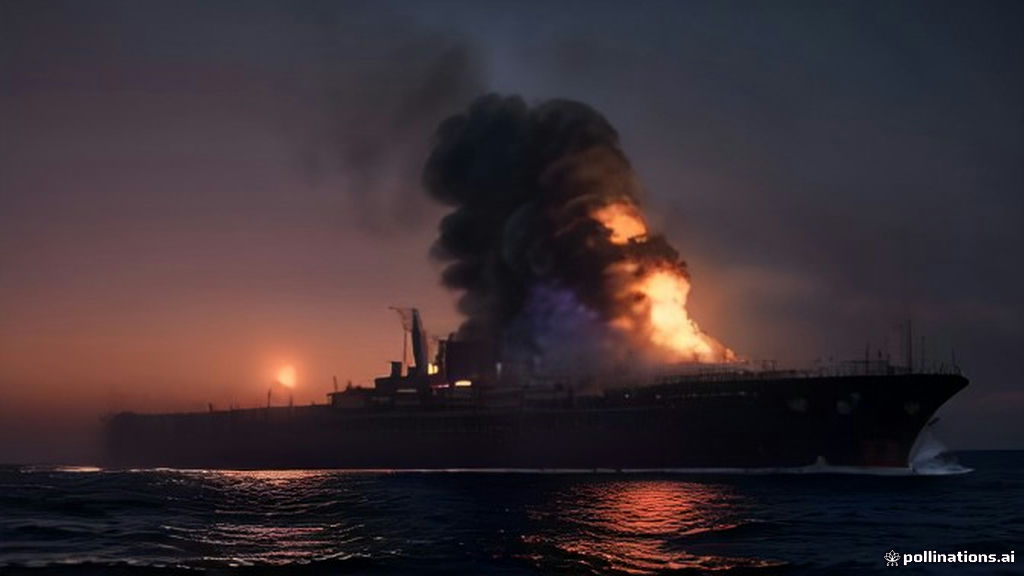
Reporting for 24x7 Breaking News. A recent strike on a Russian-flagged cargo vessel off the coast of Libya has ignited concerns that the conflict in Ukraine is not only deepening but actively expanding its geographic and strategic footprint. The incident, which occurred in international waters near Libyan territorial limits, has sent ripples through global shipping lanes and raised alarms about the potential for proxy engagements and the weaponization of maritime trade routes. While details remain scarce, the attack underscores the increasingly complex and volatile geopolitical landscape shaped by the ongoing war in Eastern Europe.
- Escalating Maritime Tensions Beyond Black Sea
- The Wider Geopolitical Context: A Proxy Battlefield?
- Humanitarian Realities: Disruption and Fear on the Seas
- Economic Ripples: From Oil Prices to Consumer Goods
- Navigating Uncharted Waters: The Future of Maritime Security
- The Bottom Line: A Globalized Conflict's Shadow
- EDITOR'S OPINION
- AT A GLANCE
- FREQUENTLY ASKED QUESTIONS
- What is the significance of the strike on the Russian ship in Libya?
- Why are attacks on shipping vessels a concern?
- Could this incident affect oil prices?
- What is being done to ensure maritime security?
The precise nature of the vessel and the entity responsible for the strike are still under investigation. However, initial reports suggest the ship was involved in commercial shipping, a sector already grappling with the repercussions of the Ukraine war. This event raises critical questions about the security of maritime commerce in regions far removed from the direct battlefields of Ukraine, highlighting how deeply interconnected global supply chains have become with international security.
Escalating Maritime Tensions Beyond Black Sea
For months, the Black Sea has been the focal point of maritime tensions, with naval blockades, drone attacks, and disputes over grain exports dominating headlines. This latest incident, however, suggests a concerning evolution: the potential for attacks on Russian shipping, or vessels associated with Russia, to occur in new and unexpected theaters. Libya, a nation still navigating its own complex internal political landscape and recovery from years of conflict, is not typically associated with the direct military fallout of the Ukraine war.
The implications for global trade are significant. Shipping companies and insurers are likely to reassess risks associated with routes that may now be perceived as vulnerable. This could lead to increased insurance premiums, rerouting of vessels, and ultimately, higher costs for consumers worldwide. The fragility of international shipping, as demonstrated by previous disruptions, is now being tested in a new and potentially more dangerous arena.
The Wider Geopolitical Context: A Proxy Battlefield?
Analysts are scrutinizing the incident for any signs of a deliberate escalation or a proxy conflict taking root. Libya has historically been a point of interest for various international powers, and its strategic location in the Mediterranean makes it a critical maritime crossroads. The involvement of Russian-flagged vessels in this region, even for commercial purposes, could draw it into broader geopolitical calculations.
This situation is reminiscent of how conflicts can metastasize, with distant powers backing different factions or engaging in actions that indirectly affect the primary belligerents. The presence of Russian interests in North Africa, whether military or commercial, could become a new vector for international disputes. Understanding the complex alliances and rivalries within Libya itself is crucial to deciphering who might have the motive and capability to carry out such an attack.
Humanitarian Realities: Disruption and Fear on the Seas
Beyond the geopolitical machinations, the human cost of such incidents is profound. For the crews aboard these vessels, the threat of attack is a constant and terrifying reality. These are individuals, often from diverse backgrounds, simply trying to do their jobs and earn a living, who are caught in the crossfire of international disputes.
The fear generated by such attacks can lead to psychological distress and impact the maritime workforce. Families at home worry about the safety of their loved ones, adding another layer of human suffering to an already complex global crisis. The expansion of conflict zones, even to seemingly peripheral areas, means that the reach of war's consequences continues to spread, touching more lives and livelihoods.
Economic Ripples: From Oil Prices to Consumer Goods
The potential disruption to shipping lanes, particularly those that might carry energy resources or vital trade goods, could have tangible economic consequences. While this specific vessel's cargo is not yet confirmed, any threat to maritime commerce in the Mediterranean could influence oil futures and the cost of imported goods. The stability of global energy markets, for instance, is intricately linked to the security of shipping routes through areas like the Mediterranean Sea. A heightened risk perception could lead to price volatility, impacting household budgets globally.
This incident also adds another layer of complexity to the already strained global supply chains. Companies are continuously evaluating diversification strategies and risk mitigation plans. The possibility of attacks in new regions forces a re-evaluation of logistical networks, potentially leading to longer transit times and increased operational costs. These costs, inevitably, are often passed on to consumers, affecting the prices of everything from electronics to essential commodities.
Navigating Uncharted Waters: The Future of Maritime Security
The strike on the Russian ship in Libyan waters serves as a stark reminder of the interconnectedness of global security and the far-reaching consequences of regional conflicts. It underscores the need for enhanced international cooperation in ensuring the safety of maritime routes and preventing the escalation of conflicts into new theaters.
As the situation develops, international bodies and maritime security organizations will be closely monitoring the region. The effectiveness of current international maritime laws and the mechanisms for enforcing them will be tested. The incident also prompts a broader discussion about the role of private military contractors and non-state actors in modern conflicts, particularly in regions with ongoing instability.
The expansion of conflict dynamics into maritime spaces beyond direct combat zones poses a significant challenge to global stability. It highlights the need for diplomatic solutions that address the root causes of conflict and promote de-escalation, preventing further spread of hostilities. The international community must work collaboratively to ensure that vital trade routes remain open and secure for all nations.
The complexity of international relations and the ripple effects of the Ukraine war continue to unfold. Events like this underscore how intertwined global security and economic stability truly are. The question remains whether such incidents will spur greater international resolve for peace or lead to further fragmentation and conflict.
The Bottom Line: A Globalized Conflict's Shadow
For ordinary Americans, the tangible effects of such distant events can seem abstract, yet they are very real. Increased shipping costs can translate into higher prices at the grocery store and at the gas pump. The pervasive sense of global instability can also affect economic confidence, influencing investment decisions and job markets. This incident, while geographically removed from the United States, is part of a larger pattern of global disruption that impacts everyday economic realities.
The human element is paramount. The fear and uncertainty experienced by seafarers and their families are a direct consequence of these escalating geopolitical tensions. Advocating for peace and de-escalation is not merely a political stance; it is a call to protect human dignity and ensure the safety of individuals caught in the machinations of international conflict. It is about recognizing the shared humanity that binds us, even across borders and ideological divides.
EDITOR'S OPINION
In our assessment, the strike on the Russian vessel off Libya is a deeply concerning development that signals a dangerous diffusion of the Ukraine conflict. It moves beyond the immediate theater of war to potentially destabilize critical international maritime arteries. While the specifics of responsibility are yet to be definitively established, the mere possibility of expanded proxy engagements in regions like North Africa raises the specter of wider, more unpredictable international confrontations. This situation demands a robust diplomatic response, not just to de-escalate immediate tensions but to reinforce the principles of international maritime law and prevent the further weaponization of global trade. The focus must remain on finding pathways to peace and ensuring that conflicts do not metastenose into broader, more destructive global conflagrations, safeguarding human dignity and economic stability for all.
AT A GLANCE
- Libya strike on Russian ship highlights potential spread of Ukraine conflict.
- Incident occurred in international waters near Libyan coast.
- Concerns raised over global shipping security and maritime trade routes.
- Potential for proxy engagements in regions far from Ukraine.
- Economic implications include potential impact on oil prices and consumer goods.
- Calls for international cooperation to ensure maritime safety and de-escalation.
FREQUENTLY ASKED QUESTIONS
What is the significance of the strike on the Russian ship in Libya?
The strike is significant because it suggests the conflict originating in Ukraine may be extending its reach geographically and strategically, potentially involving new actors and theaters of operation.
Why are attacks on shipping vessels a concern?
Attacks on shipping vessels disrupt global trade, increase insurance costs, and can lead to higher prices for consumers. They also pose direct physical danger to the crews.
Could this incident affect oil prices?
Yes, any perceived threat to major shipping lanes, especially those that carry energy resources, can lead to increased volatility in oil prices and affect global energy markets.
What is being done to ensure maritime security?
International bodies and maritime organizations are monitoring the situation, and there are ongoing efforts to reinforce international maritime laws and diplomatic channels to prevent further escalation.
Is the expansion of the Ukraine conflict into new maritime zones an inevitable consequence of prolonged warfare, or a preventable escalation that demands immediate, unified global diplomatic intervention?
This article was independently researched and written by Hussain for 24x7 Breaking News. We adhere to strict journalistic standards and editorial independence.
Comments
Post a Comment