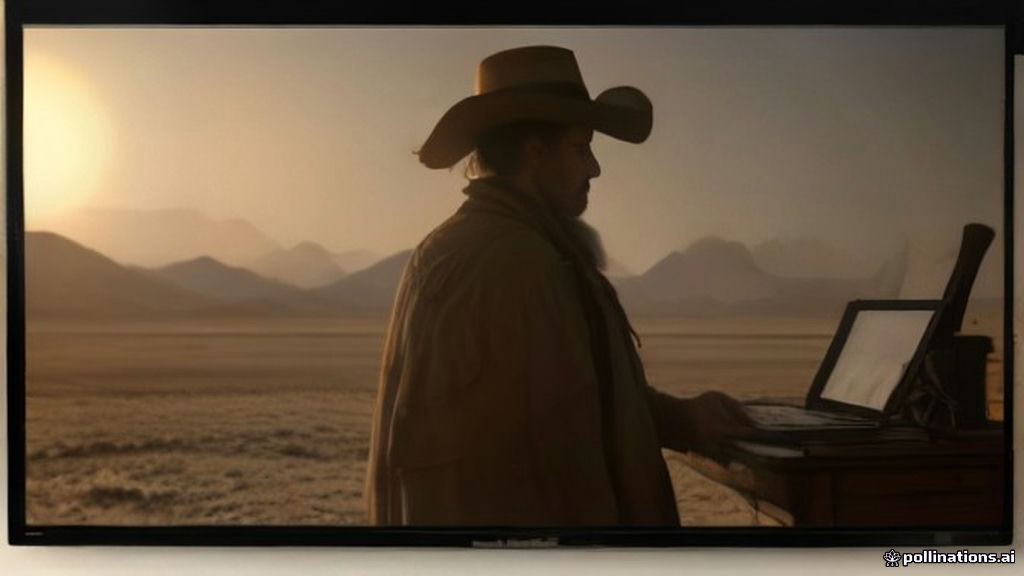
When Steven Spielberg directs Western projects, the entire cinematic landscape stops to watch, and the legendary filmmaker is now preparing to helm a major new frontier drama. As Google News initially reported, the upcoming production will feature an extraordinary principal cast led by Academy Award winner Cillian Murphy and acclaimed actor Jessie Buckley. This unexpected pairing brings together some of the most commanding dramatic talents working in contemporary cinema, setting the stage for what promises to be a stark, emotionally resonant journey into the American West.
- Key Takeaways
- A Rare Return to the Frontier
- The Powerhouse Cast and Creative Alignment
- The Counterpoint: Can the Master of Blockbusters Capture Frontier Grit?
- Editor's Opinion: Why This Frontier Epic Matters Right Now
- What to Watch Next
- Frequently Asked Questions
- What is the plot of The Heart in Winter?
- Has Steven Spielberg directed a Western before?
- When is the film expected to begin production?
Adding even more prestige to the marquee, acclaimed filmmaker Paul Thomas Anderson has penned the screenplay. The script adapts the acclaimed novel The Heart in Winter, a sweeping and turbulent frontier tale known for its fierce emotional intensity and stark portrayal of human survival. The convergence of Spielberg's visionary framing, Anderson's sharp narrative voice, and Murphy and Buckley's formidable screen presence instantly elevates this project into one of the most anticipated cinematic events of the decade.
Key Takeaways
- Steven Spielberg is officially set to direct a major new Western feature film.
- The star-studded cast features Academy Award winner Cillian Murphy alongside acclaimed actor Jessie Buckley.
- Renowned filmmaker Paul Thomas Anderson wrote the screenplay, adapting the acclaimed novel The Heart in Winter.
- The project marks a rare and fascinating return to the Western genre for Spielberg.
A Rare Return to the Frontier
For decades, Steven Spielberg has explored almost every corner of human history and imagination, from the battlefields of World War II to prehistoric jungles and suburban science fiction. However, his direct engagement with the traditional American Western has remained surprisingly sparse across his prolific career. Aside from producing landmark television like Into the West, his directorial footprint in the genre is exceptionally rare, making this upcoming frontier project a monumental career milestone.
The choice to adapt The Heart in Winter suggests a departure from classic, myth-making horse operas toward something much more psychological and grounded. The source material deals heavily with isolation, complex emotional entanglements, and the brutal realities of life on the expanding American frontier. In the hands of a director famous for capturing profound empathy through the lens, this Western will likely interrogate the human cost of Manifest Destiny rather than simply celebrating its mechanical triumph.
As industry analysts note, pairing Spielberg with a text of this literary weight signals a growing appetite among major auteurs for character-driven historical dramas. While blockbuster franchises continue to dominate multiplex balance sheets, the creative coalition forming around this picture proves that prestige storytelling retains immense cultural and commercial gravity. It also reflects a broader industry shift toward uncompromising artistic visions that prioritize depth over algorithmic predictability.
The Powerhouse Cast and Creative Alignment
Cillian Murphy steps into this sprawling landscape following a historic awards season run for his haunting portrayal of J. Robert Oppenheimer. His signature ability to communicate intense internal turmoil through quiet stillness makes him an ideal anchor for a rugged historical drama. Opposite him, Jessie Buckley brings a ferocious, unpredictable energy that has cemented her reputation as one of the most fearless performers of her generation.
Meanwhile, having Paul Thomas Anderson write the screenplay creates a powerhouse creative dynamic between two titans of modern American cinema. Anderson's writing is celebrated for its rhythmic cadence, psychological sharpness, and unflinching examination of flawed human behavior. Merging Anderson's script mechanics with Spielberg's peerless command of visual pacing is the kind of artistic collaboration film critics dream about.
This level of top-tier talent naturally sparks intense speculation across film communities worldwide. Fans on digital platforms have already begun dissecting how Spielberg's humanist lens will merge with Anderson's darker, more cynical narrative sensibilities. It is a collision of distinct cinematic philosophies that promises a complex, layered examination of frontier morality.
The Counterpoint: Can the Master of Blockbusters Capture Frontier Grit?
Despite universal enthusiasm from cinephiles, some cultural critics and literary purists have raised fair questions about whether Spielberg's signature emotional optimism is entirely compatible with the bleak realism of The Heart in Winter. Historically, Spielberg's cinema tends to seek out redemption, wonder, and moral clarity, even in dark settings like Schindler's List or Saving Private Ryan. Conversely, modern revisionist Westerns often thrive on ambiguity, structural cynicism, and the absence of easy moral comfort.
Skeptics wonder if a filmmaker so closely associated with mainstream Hollywood sentimentality can fully embrace the stark, unvarnished cruelty demanded by authentic frontier narratives. Yet, supporters argue that Spielberg's mature work has grown increasingly complex and unafraid of moral shadows. This project provides an ideal canvas for the director to push past his conventional boundaries and challenge audiences expecting traditional Hollywood heroism.
Editor's Opinion: Why This Frontier Epic Matters Right Now
In our view, the pairing of Spielberg, Anderson, Murphy, and Buckley represents a vital counter-programming effort against the endless cycle of intellectual property reboots. At a time when studio slates are dominated by computer-generated spectacles and familiar cinematic universes, investing in an original literary adaptation with adult themes feels genuinely revolutionary. This film is not merely another historical throwback; it is an interrogation of how isolation, community, and personal redemption shape the human spirit under extreme duress.
We believe that treating historical characters with psychological honesty—rather than reducing them to mythic archetypes—allows contemporary audiences to reflect on our own modern anxieties about displacement and survival. While financial pressures will undoubtedly weigh on any high-budget drama in the current marketplace, the sheer artistic ambition on display here deserves celebration. If Hollywood is to survive the current cultural fragmentation, it must lean further into this exact brand of fearless, auteur-driven collaboration.
What to Watch Next
- Monitor official casting announcements regarding the expanded supporting ensemble.
- Keep an eye out for initial production timelines and on-location photography drops.
- Review Paul Thomas Anderson's previous literary adaptations for clues about the script's narrative tone.
- Follow upcoming festival scheduling to gauge potential awards-season trajectories.
Frequently Asked Questions
What is the plot of The Heart in Winter?
The novel centers on a dramatic and turbulent romance set against the harsh backdrop of the late-19th-century American frontier, exploring complex emotional landscapes and survival.
Has Steven Spielberg directed a Western before?
While Spielberg has executive-produced several Western television projects, this film marks a rare and major return to directing within the frontier genre.
When is the film expected to begin production?
Official production timelines have not yet been finalized, but pre-production efforts are actively underway with the newly announced creative team.
Will this gritty frontier collaboration finally secure Steven Spielberg another Academy Award, or will the dark tone clash with his classic cinematic sensibilities?
This article was independently researched and written by Hussain for 24x7 Breaking News. We adhere to strict journalistic standards and editorial independence.
Comments
Post a Comment