Reporting for 24x7 Breaking News.
- The Digital Dealership Dawns
- Navigating the New Automotive Marketplace
- Beyond the Transaction: A Broader Ecosystem
- Challenging the Status Quo: Dealerships in Focus
- What Does This Mean for the Average Driver?
- The Road Ahead: Amazon's Automotive Trajectory
- Key Takeaways:
- The Editor's Take: Shifting Gears in Consumer Power
- Frequently Asked Questions
- Is Amazon selling cars directly?
- How many car brands are available on Amazon?
- Does this mean I don't need to go to a dealership anymore?
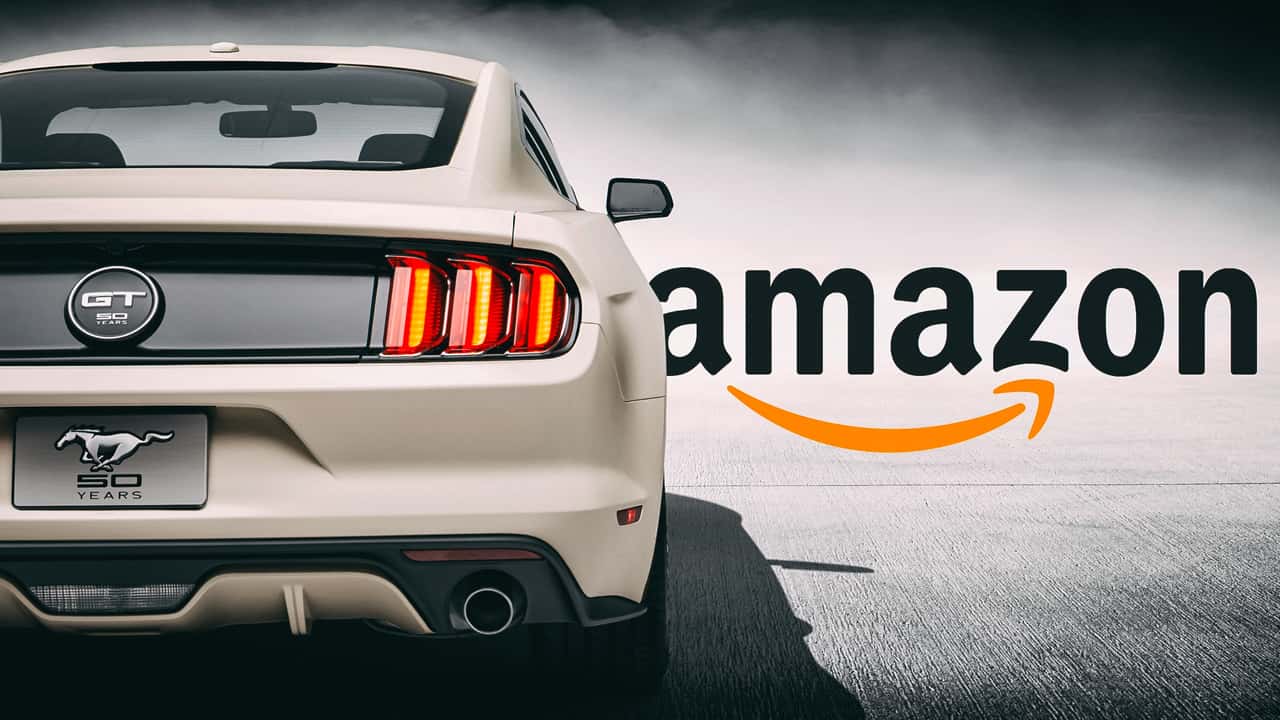
Amazon, the e-commerce titan known for reshaping retail across countless sectors, has been quietly, yet aggressively, expanding its footprint in the automotive industry. What began as a nascent experiment has blossomed into a significant player, now offering vehicles from 35 different car brands directly through its platform. This expansion signals a profound shift in how consumers can research, and potentially purchase, their next vehicle, bypassing traditional dealership models and embracing a digital-first approach.
The Digital Dealership Dawns
The sheer scale of Amazon's automotive ambition is becoming increasingly apparent. While not directly selling cars in the same way a dealership does, the platform acts as a powerful intermediary, facilitating connections between buyers and manufacturers or authorized dealers. This strategic pivot leverages Amazon's vast customer base and its unparalleled expertise in online logistics and customer experience.
The service, which has been steadily growing, now encompasses a wide spectrum of automotive manufacturers, from mainstream volume producers to luxury marques. This comprehensive offering aims to simplify the often-daunting car-buying process, bringing it into the familiar, user-friendly digital environment that millions of consumers trust for everything from books to electronics.
Navigating the New Automotive Marketplace
For consumers, Amazon's expanded car-buying business presents a compelling new avenue. The platform allows for detailed research, comparison of features, and often, direct initiation of the purchase or lease process. This digital gateway aims to demystify pricing, streamline paperwork, and offer a transparent transaction that contrasts sharply with the sometimes opaque negotiations found at traditional dealerships.
Key to this model is Amazon's ability to integrate various stages of the car-buying journey. Shoppers can explore inventory, configure vehicles, and even arrange for financing and delivery, all within the Amazon ecosystem. This holistic approach seeks to reduce friction and enhance convenience, reflecting consumer expectations shaped by other online retail experiences.
The move also taps into a growing trend of digitalization within the automotive sector. As automakers themselves invest heavily in online sales channels and direct-to-consumer models, Amazon's platform acts as a powerful amplifier and consolidator of these efforts. It provides a unified destination for a fragmented market, making it easier for consumers to discover and engage with a wide array of automotive options.
Beyond the Transaction: A Broader Ecosystem
Amazon's involvement in the automotive space extends beyond just facilitating sales. The company has been exploring various facets of the automotive ecosystem, from connected car technologies to in-car entertainment and services. This broader vision suggests a long-term strategy to embed Amazon's services deeply into the automotive experience.
Consider the implications for electric vehicles (EVs). As the industry races toward electrification, platforms like Amazon could play a crucial role in educating consumers, facilitating the purchase of EVs, and potentially integrating with charging infrastructure and energy management solutions. This aligns with initiatives like Volkswagen's vehicle-to-grid technology, which aims to make EV ownership more integrated and beneficial.
Furthermore, Amazon's data-gathering capabilities could provide invaluable insights into consumer preferences and buying habits, influencing future vehicle development and marketing strategies. This data-driven approach is a hallmark of Amazon's business model and could significantly reshape how automakers understand their customer base.
Challenging the Status Quo: Dealerships in Focus
The expansion of Amazon's car-buying business inevitably raises questions about the future of traditional car dealerships. For decades, dealerships have served as the primary point of sale and service for consumers. However, the convenience and transparency offered by online platforms pose a significant challenge to this established model.
While some automakers have resisted direct online sales, others are embracing it, recognizing the evolving consumer landscape. Amazon's platform could accelerate this shift, forcing dealerships to adapt by enhancing their in-person experience, focusing on specialized services, or integrating more seamlessly with online purchasing channels. The debate over dealership franchises versus direct sales models is a long-standing one, and Amazon's entry intensifies it.
The regulatory environment also plays a role. In some regions, franchise laws protect dealerships from direct manufacturer sales. Amazon's model, which often partners with existing dealer networks or manufacturers directly, navigates these complexities but still represents a significant disruption. Concerns about consumer protection, such as those highlighted by New York's crackdown on subscription traps, will likely extend to the online car-buying experience, demanding robust safeguards.
What Does This Mean for the Average Driver?
For the consumer, the primary benefit is likely to be increased choice, greater transparency in pricing, and enhanced convenience. The ability to compare vehicles from 35 brands, conduct research, and initiate a purchase from the comfort of one's home is a powerful proposition.
This shift could also lead to more competitive pricing as online platforms reduce overhead associated with physical showrooms and sales forces. Consumers might find it easier to secure favorable deals when armed with transparent information and a direct channel to manufacturers or their authorized representatives.
However, the sensory and emotional aspects of buying a car – the test drive, the feel of the materials, the personal interaction with a salesperson – remain crucial for many. Amazon's model must find ways to bridge this gap, perhaps by integrating virtual test drives, detailed video walkarounds, or enhanced partnerships with physical locations for final inspections and handovers.
The Road Ahead: Amazon's Automotive Trajectory
Amazon's quiet expansion into the automotive market is far from over. The company's success in other industries demonstrates a relentless drive to innovate and capture market share. As vehicle technology advances, with increasing integration of software, connectivity, and autonomous driving features, Amazon's expertise in digital platforms becomes even more relevant.
The implications are vast, potentially reshaping not just car sales but also the aftermarket, automotive services, and the very definition of car ownership. Whether it becomes the dominant force in automotive retail or a significant facilitator remains to be seen, but its current trajectory suggests a profound and lasting impact.
Key Takeaways:
- Amazon's car-buying service now features vehicles from 35 distinct automotive brands.
- The platform aims to simplify the car purchasing process through a digital-first, user-friendly interface.
- This expansion challenges the traditional car dealership model by offering enhanced convenience and transparency.
- Amazon's broader automotive strategy may involve connected car tech, EVs, and data-driven insights.
The Editor's Take: Shifting Gears in Consumer Power
In our view, Amazon's deep dive into the auto market is less a surprise and more an inevitability. The company has a proven playbook: identify a complex, often frustrating consumer experience, leverage technology and scale to simplify it, and then capture a significant portion of the market. The automotive purchase process, with its historical opacity and reliance on physical intermediaries, was ripe for this kind of disruption.
What's particularly interesting is how Amazon is navigating the existing dealership structures. Rather than a full frontal assault, they seem to be building a powerful parallel channel, or an enhanced facilitator, that can coexist with, and perhaps eventually influence, traditional models. This pragmatic approach, combined with their immense customer reach, makes their automotive ambitions particularly formidable. The real test will be in how they manage the post-purchase experience – service, recalls, and ongoing customer relationships – areas where dealerships have historically held sway.
Frequently Asked Questions
Is Amazon selling cars directly?
Amazon acts as a platform that connects buyers with car brands or dealerships, facilitating the research and purchase process, rather than selling vehicles directly from its own inventory.
How many car brands are available on Amazon?
As of recent reports, Amazon's car-buying service has expanded to include vehicles from 35 different car brands.
Does this mean I don't need to go to a dealership anymore?
While Amazon simplifies the online research and purchase initiation, many buyers still prefer or require a physical dealership for test drives, final inspections, and traditional service.
The fundamental question for the industry is: will Amazon's digital-first car buying platform ultimately redefine automotive retail, or will traditional dealerships find a way to adapt and retain their crucial role in the consumer journey?
This article was independently researched and written by Hussain for 24x7 Breaking News. We adhere to strict journalistic standards and editorial independence.
Comments
Post a Comment