The End of the Screen-Only Era
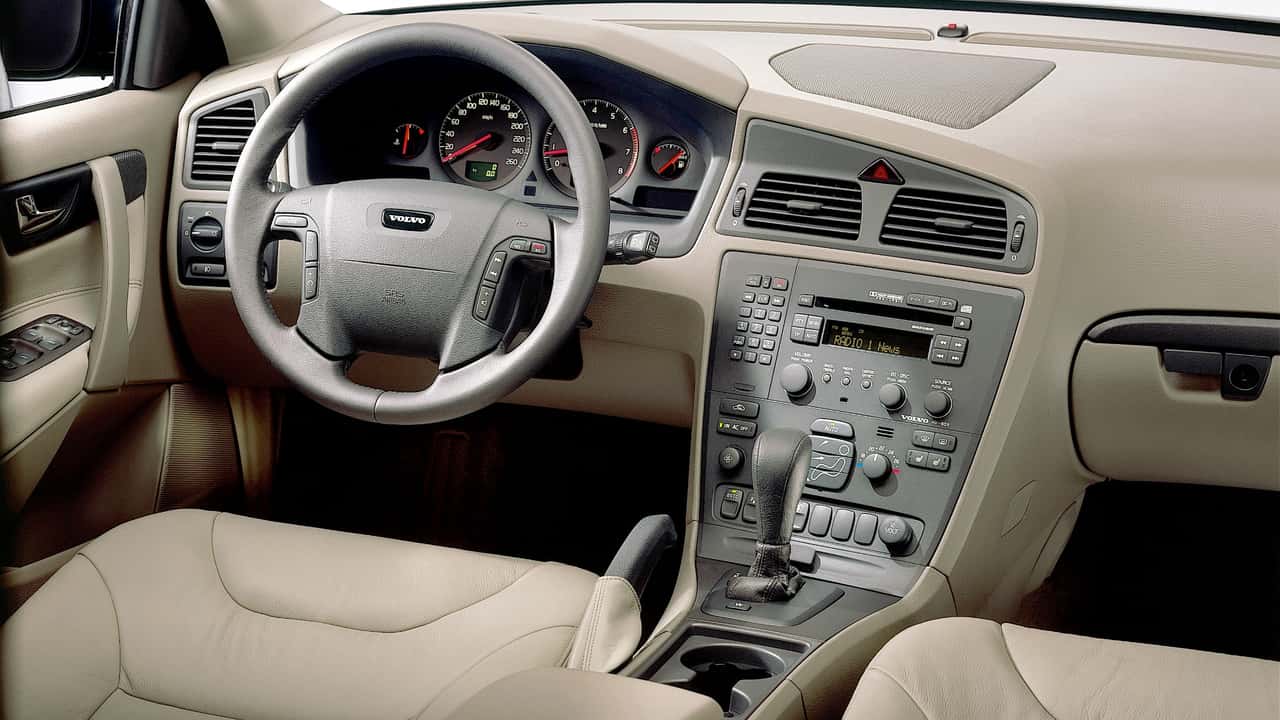
Reporting for 24x7 Breaking News, we have confirmed a major shift in automotive interior design: Volvo is officially walking back its aggressive push toward screen-only interfaces. After years of chasing the minimalist, tablet-heavy aesthetic popularized by Tesla, the Swedish automaker is reintroducing physical buttons and tactile controls to its vehicle cabins. This move acknowledges what many loyal customers and safety advocates have argued for years: burying critical vehicle functions inside deep software menus is a dangerous distraction for drivers at highway speeds.
- The End of the Screen-Only Era
- Why Minimalism Failed the Safety Test
- The Ergonomics of Intuitive Driving
- Our Take: A Victory for Common Sense
- Frequently Asked Questions (FAQ)
- Why are car manufacturers moving away from touchscreens?
- Will all future Volvo models feature physical buttons?
- How does this impact the resale value of older digital-only models?
- The Road Ahead for Ergonomic Design
We first encountered reports regarding this change via an obscure source domain, but follow-up industry analysis confirms that the brand's design language is evolving toward a more ergonomic, user-friendly approach. The pivot away from total touch-screen reliance represents a rare moment of humility in an industry currently obsessed with stripping out costs under the guise of 'modernity.' By prioritizing tactile feedback, Volvo is betting that its core demographic—families and safety-conscious commuters—values usability over a sleek, button-free dashboard.
Why Minimalism Failed the Safety Test
The transition to all-digital cockpits was never just about design; it was a cost-saving measure for manufacturers. By replacing physical switches with software, companies can reduce parts inventory and simplify assembly. However, the human cost has been significant. Studies from organizations like the National Highway Traffic Safety Administration (NHTSA) suggest that complex touchscreen tasks significantly increase the time a driver's eyes remain off the road. When you have to navigate three sub-menus just to adjust the cabin temperature, you are essentially driving blind for several seconds.
Volvo’s decision to reintroduce physical controls serves as a tacit admission that their recent digital-first strategy may have alienated their base. As we have seen in other sectors, such as the global push for pragmatic economic policy, there is a limit to how much efficiency can be forced onto a system before it breaks. In this case, the 'system' is the human brain, which is not wired to operate a tablet while navigating a vehicle through heavy traffic. By bringing back the volume knob, the window defrost button, and climate toggles, the engineers in Gothenburg are finally listening to the people actually turning the steering wheel.
The Ergonomics of Intuitive Driving
What does this mean for the person behind the wheel? It means the return of muscle memory. A physical button provides haptic feedback, allowing you to confirm an action without shifting your gaze from the windshield. We have tested numerous vehicles that rely exclusively on haptic touch-pads and slider bars, and the result is almost always a frustrating, inconsistent user experience. When you are in the middle of a stressful commute, you need the interface to be an extension of your own reactions, not an obstacle to be overcome.
This shift also aligns with the broader push toward sustainable and reliable transit. Much like how innovative engineering in rally vehicles proves that reliability under pressure is the ultimate goal, consumer vehicles must be designed for the worst-case scenario. A touchscreen that freezes or lags is a minor inconvenience in a living room but a major hazard on a highway. Volvo’s return to physical buttons signals a return to their roots: building cars that prioritize the life and comfort of the occupants above all else.
Our Take: A Victory for Common Sense
In our view, this is the most sensible design decision we have seen from a premium automaker in the last five years. We have long criticized the industry’s reckless pursuit of 'the iPhone on wheels' concept, which often ignores the fundamental realities of operating a two-ton machine at 70 mph. Digital interfaces are fantastic for navigation and media, but they are objectively inferior for primary vehicle controls. We believe Volvo is making the right move by centering its design philosophy on the driver's cognitive load rather than the aesthetic preferences of Silicon Valley software engineers.
It is refreshing to see a legacy brand recognize that luxury is not just about the quality of the leather or the sharpness of the display; it is about the ease of operation and the peace of mind that comes with knowing your car will respond instantly to your touch. We hope this trend spreads to the rest of the industry, as we are tired of struggling with laggy software updates just to keep the windshield from fogging up. This isn't a retreat; it's an evolution toward a more mature, human-centric automotive future.
Frequently Asked Questions (FAQ)
Why are car manufacturers moving away from touchscreens?
Manufacturers are beginning to realize that all-digital interfaces lead to driver distraction, potential safety risks, and poor user satisfaction, prompting a return to more intuitive, tactile controls.
Will all future Volvo models feature physical buttons?
While Volvo has not announced a total abandonment of touchscreens, the current shift indicates that future interiors will integrate a hybrid approach, placing essential climate and audio controls back onto physical switches.
How does this impact the resale value of older digital-only models?
As the industry pivots back to physical controls, vehicles that maintain a balance between digital utility and physical ergonomics may see higher demand from safety-conscious buyers, potentially protecting their long-term value.
The Road Ahead for Ergonomic Design
Volvo's decision to bring back physical buttons is a direct response to the demands of drivers who prioritize safety and ease of use over tech-heavy minimalism. As the automotive industry continues to grapple with the balance between digital integration and human-machine interface safety, this move marks a significant course correction. By choosing to prioritize the driver's focus, the company is proving that it understands the core value proposition of a premium vehicle. Physical controls are not outdated technology; they are a necessary tool for safe operation.
If other manufacturers follow Volvo’s lead and move away from screen-only cockpits, will you finally feel safer in your next car purchase, or are we just clinging to the past?
This article was independently researched and written by Hussain for 24x7 Breaking News. We adhere to strict journalistic standards and editorial independence.
Comments
Post a Comment