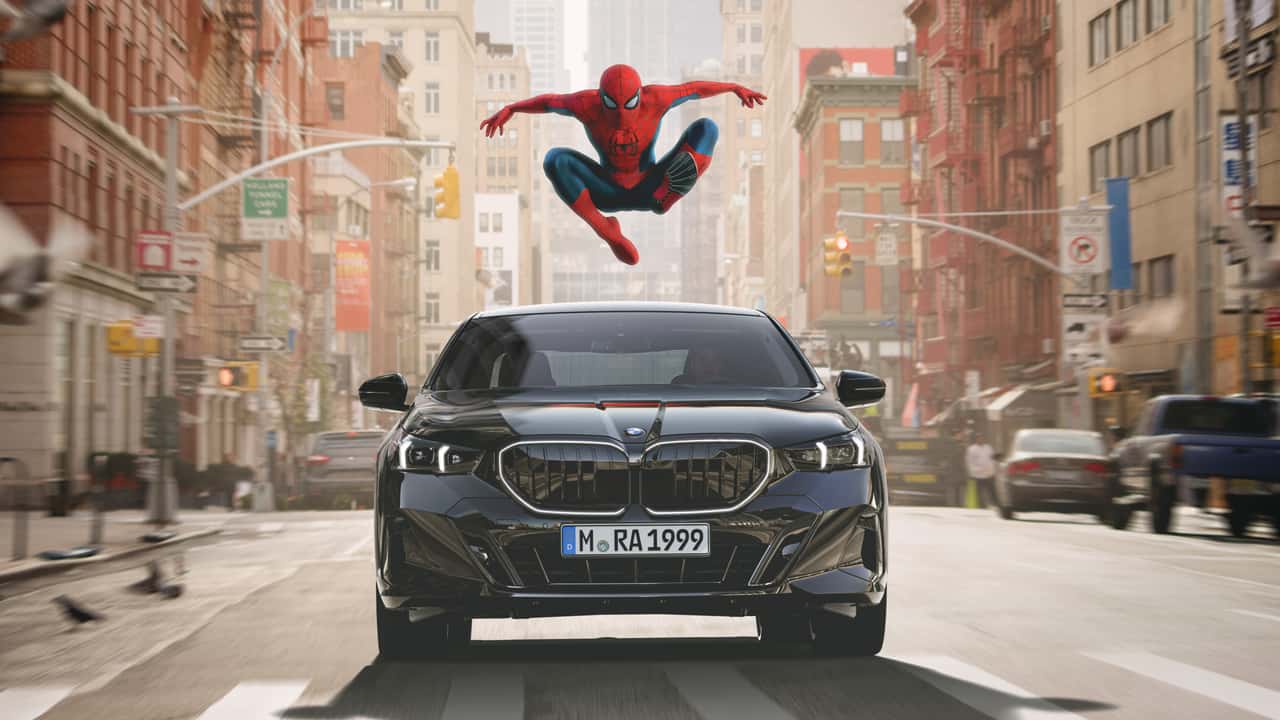
Reporting for 24x7 Breaking News, a storm of indignation is sweeping through the luxury automotive community this week as BMW owners across social media platforms report an unprecedented intrusion: full-screen advertisements for the latest Spider-Man film suddenly appearing on their vehicle dashboards. This aggressive push into in-car advertising has ignited a fierce debate, directly challenging the premium user experience and raising serious questions about data privacy and the future of vehicle ownership. The incident, first widely discussed on enthusiast forums and then amplified across X (formerly Twitter), signals a troubling new frontier in automotive monetization.
- The Digital Dashboard: A New Battleground for Brand Loyalty
- From Driving Purity to Distracted Displays: The Unseen Costs
- The Invisible Hand of Data: How Ads Find Your Dashboard
- Editorial Perspective: The Unraveling of the Premium Promise
- The Broader Industry Shift: Monetizing Every Mile
- Frequently Asked Questions (FAQ)
- What exactly happened with BMW's dashboard ads?
- How were the Spider-Man ads delivered to BMW vehicles?
- Can BMW owners disable these in-car advertisements?
- What are the primary concerns arising from these dashboard ads?
For decades, BMW has cultivated an image synonymous with the 'Ultimate Driving Machine' – a brand built on performance, precision engineering, and an uncompromised connection between driver and road. The sudden appearance of commercial pop-ups, particularly for a superhero movie, feels like a jarring betrayal of that ethos, transforming a high-end luxury interior into something akin to a free-to-play mobile game. Our editorial team has been tracking the escalating outrage, noting a palpable sense of disappointment and anger among a demographic that expects a seamless, ad-free experience commensurate with their investment.
The Digital Dashboard: A New Battleground for Brand Loyalty
The incident, which our team initially learned of through widespread owner complaints surfacing on platforms like Reddit's r/BMW and dedicated enthusiast websites, highlights a growing tension between automakers' relentless pursuit of new revenue streams and consumer expectations. While the exact mechanism of the Spider-Man ad delivery remains officially unconfirmed by BMW at the time of this report, industry experts speculate it was likely pushed via an over-the-air (OTA) software update, leveraging the increasingly connected nature of modern vehicles. This move isn't entirely without precedent; some manufacturers have flirted with subscription-based features or in-car e-commerce, but a blatant, unskippable advertisement represents a significant escalation.
We've witnessed the automotive landscape undergoing a dramatic transformation, moving far beyond mere mechanical prowess. Today's vehicles are sophisticated, rolling computers, packed with screens and connectivity. This digital evolution, while offering conveniences like integrated navigation and entertainment, also opens the door for new monetization strategies. However, when these strategies infringe on the core user experience, especially in a premium segment, the backlash can be swift and severe. Owners pay a premium not just for horsepower and leather, but for a meticulously curated environment.
From Driving Purity to Distracted Displays: The Unseen Costs
Beyond the immediate irritation, the presence of these ads raises critical safety concerns. A vibrant, attention-grabbing advertisement for Spider-Man, complete with dynamic visuals, is an undeniable distraction to drivers. Modern vehicle dashboards are already complex, displaying navigation, media, and critical vehicle information. Adding unsolicited commercial content only further clutters this vital interface, potentially diverting a driver's focus from the road. The National Highway Traffic Safety Administration (NHTSA) has long emphasized the dangers of distracted driving, and automakers have a moral, if not legal, obligation to prioritize safety over profit when designing in-car interfaces.
We must ask ourselves: what is the true cost of transforming our vehicles into mobile billboards? It's not just about an eroded user experience; it's about the erosion of safety. Imagine navigating a complex intersection only to have a vibrant movie trailer flash across your central display. This isn't just an inconvenience; it's a potential hazard. The ethical implications of such design choices demand immediate scrutiny from regulators and consumer advocacy groups.
The Invisible Hand of Data: How Ads Find Your Dashboard
The technical aspect of how these ads appear is equally concerning. For a targeted advertisement like a Spider-Man promo to appear, it suggests a level of data collection and profiling that many BMW owners may not have explicitly consented to, or perhaps, were unaware of within the fine print of their vehicle's terms and conditions. Modern cars collect vast amounts of data: driving habits, location, infotainment usage, and even biometric data in some advanced models. This data, often anonymized in aggregate, becomes incredibly valuable for advertisers.
The question arises: Is BMW directly selling ad space, or are they partnering with third-party ad networks that leverage collected vehicle data? Either scenario presents a significant privacy challenge. Consumers expect their personal data, especially that generated by their vehicle, to be handled with the utmost care and transparency. The appearance of these ads implies a sophisticated backend infrastructure designed to push commercial content directly to car owners, a capability that few anticipated would be deployed so overtly in a luxury vehicle.
Editorial Perspective: The Unraveling of the Premium Promise
In our view, BMW's foray into dashboard advertising, exemplified by the Spider-Man fiasco, represents a profound miscalculation and a significant breach of trust with its loyal customer base. We believe this move prioritizes short-term revenue gains over the long-term integrity of the brand and the sanctity of the driving experience. For a brand that has meticulously crafted an identity around performance and exclusivity, injecting unsolicited commercial messages into the cockpit feels cheap, desperate, and fundamentally at odds with the premium promise.
What concerns us most is the precedent this sets. If luxury brands like BMW feel emboldened to turn their dashboards into ad spaces, where does it end? Will we see targeted ads for fast food as we approach an exit, or promotions for tire services when our vehicle's sensors detect wear? This isn't innovation; it's an aggressive commercialization that diminishes the value proposition of owning a high-end vehicle. We urge BMW to reconsider this strategy immediately and to prioritize driver experience and privacy over intrusive advertising. The integrity of the automotive experience is not a commodity to be sold off pixel by pixel.
The Broader Industry Shift: Monetizing Every Mile
This incident isn't an isolated anomaly; it's part of a larger trend of automakers seeking to monetize every aspect of vehicle ownership. From subscription services for heated seats to premium connectivity packages, the industry is aggressively exploring recurring revenue models beyond the initial vehicle sale. While some services offer genuine value, the line between beneficial feature and intrusive commercialization is becoming increasingly blurred. This shift parallels the broader consolidation we've seen in the automotive service sector, as detailed in our previous report on Mavis Tire's $700 Million Pep Boys Takeover, where efficiency and profit often overshadow traditional consumer relationships.
The digital real estate within a vehicle's cabin is now seen as prime territory for advertisers. Manufacturers are reportedly exploring everything from location-based offers to personalized content delivery, often leveraging advanced AI to predict driver needs and preferences. While the potential for helpful, context-aware information exists, the current execution, as seen with BMW's Spider-Man ads, suggests a far less nuanced approach, one that prioritates commercial gain over the user's peace of mind and safety.
Frequently Asked Questions (FAQ)
What exactly happened with BMW's dashboard ads?
- BMW owners reported seeing unsolicited, full-screen advertisements for the latest Spider-Man movie appearing directly on their vehicle's infotainment dashboards, sparking widespread outrage.
How were the Spider-Man ads delivered to BMW vehicles?
- While BMW has not officially confirmed the mechanism, industry experts believe the ads were likely pushed via over-the-air (OTA) software updates, leveraging the vehicles' integrated connectivity.
Can BMW owners disable these in-car advertisements?
- The ability to disable these specific Spider-Man ads, or future commercial content, is currently unclear. Owners are actively seeking solutions and demanding options from BMW to control their in-car digital experience.
What are the primary concerns arising from these dashboard ads?
- The main concerns include driver distraction and safety hazards, the erosion of the premium user experience, and significant data privacy implications regarding how vehicle data is collected and used for targeted advertising.
The appearance of Spider-Man ads on BMW dashboards is more than just a minor inconvenience; it's a stark reminder of the escalating battle for digital real estate inside our most personal spaces, raising critical questions about privacy, safety, and the very definition of a premium vehicle experience. Will automakers continue to push the boundaries of in-car monetization, or will consumer outrage force a retreat and a renewed focus on the driver?
This article was independently researched and written by Hussain for 24x7 Breaking News. We adhere to strict journalistic standards and editorial independence.
Comments
Post a Comment