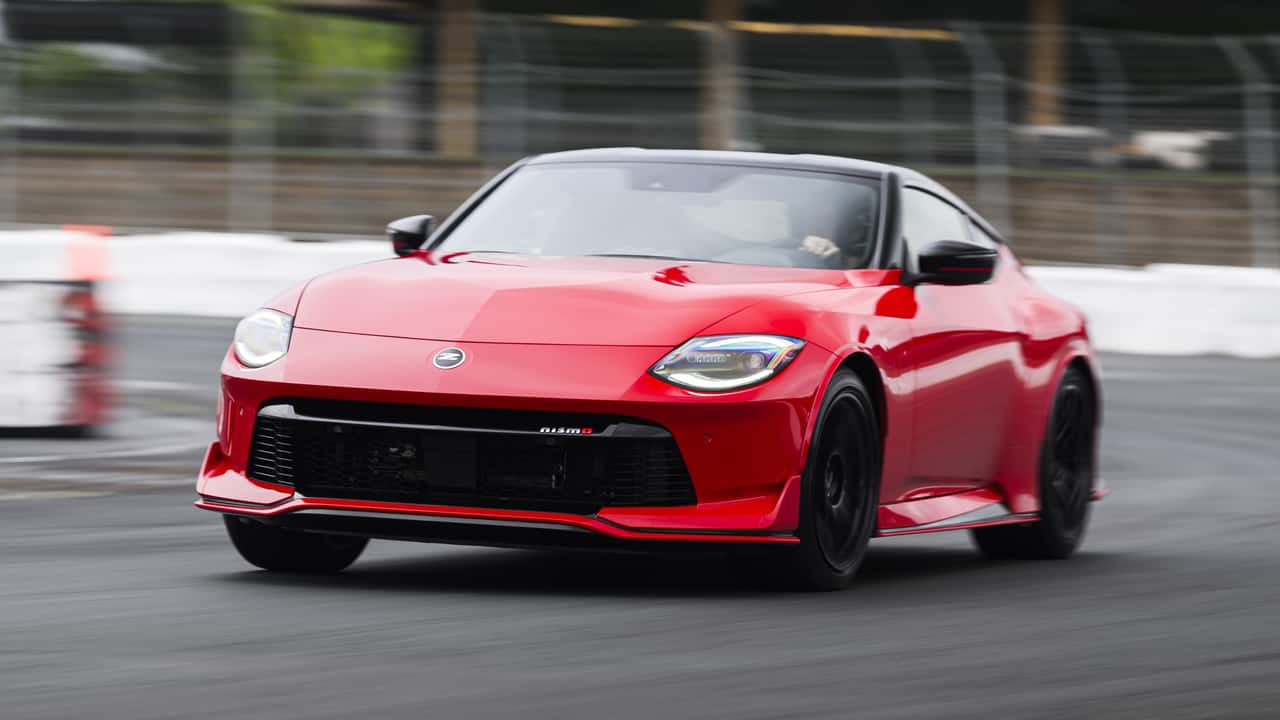
A Familiar Silhouette with a Necessary Digital Pivot
The sports car landscape is shifting beneath our feet, and Nissan is responding with a move that feels both predictable and essential. Reporting for 24x7 Breaking News, we have examined the rollout of the 2027 Nissan Z. While the base MSRP is inching upward, the Japanese automaker has finally addressed the one glaring oversight that enthusiasts have been clamoring for: a modernized, high-definition infotainment suite that finally matches the car’s aggressive styling.
- A Familiar Silhouette with a Necessary Digital Pivot
- Under the Hood: Engineering the Heritage
- The Tech Upgrade: What Actually Changed?
- Market Positioning and the Value Proposition
- Editorial Perspective: Why This Matters for the Enthusiast
- Frequently Asked Questions (FAQ)
- Does the 2027 Nissan Z have more horsepower than the previous model?
- Is the manual transmission still available?
- What is the most significant change in the 2027 model?
- Why has the price of the Nissan Z increased?
We have been tracking this development closely after initial reports surfaced on various enthusiast forums. While the core mechanical DNA remains largely untouched, the 2027 model year marks a significant inflection point for Nissan’s halo car. It is a classic case of paying a premium for the software stability that should have been present at the Z’s revival launch.
Under the Hood: Engineering the Heritage
For the uninitiated, the Nissan Z remains a masterclass in accessible performance. At its heart, the 3.0-liter twin-turbocharged V6 continues to punch above its weight class, delivering a robust 400 horsepower. It is a visceral experience that keeps the driver tethered to the road, a stark contrast to the sterilized, computer-aided handling found in many modern electric performance vehicles. We recently explored how luxury SUVs like the BMW X5 are pushing pricing boundaries, and it seems the Z is following suit, albeit with a more modest increase aimed at covering the cost of its new hardware.
The suspension geometry remains tuned for the spirited driver who values feedback over pure track-times. Nissan has resisted the urge to over-complicate the chassis, opting instead to refine the existing setup. It is a refreshing, if somewhat stubborn, approach to engineering that prioritizes engagement. Whether you are attacking a mountain pass or navigating a mundane commute, the Z feels like a throwback to an era where the machine demanded your full attention.
The Tech Upgrade: What Actually Changed?
Let's address the elephant in the room: the cabin technology. Previous iterations of the current Z generation were criticized for an infotainment system that felt like an afterthought, lagging behind competitors in both screen resolution and processing speed. The 2027 update introduces a revamped glass-fronted interface that offers seamless smartphone integration and a noticeably faster UI response time.
This isn't just a minor patch; it's a fundamental improvement to the daily ownership experience. While some purists argue that a sports car shouldn't need a screen, the reality of 2026 driving habits dictates that connectivity is as vital as the intake manifold. By upgrading the display, Nissan has finally silenced the critics who claimed the Z was a relic trapped in a modern shell.
Market Positioning and the Value Proposition
Where does this leave the consumer? With the price of entry rising, the 2027 Nissan Z finds itself in a precarious spot. It must compete against the likes of the Toyota GR Supra and various entry-level luxury coupes that offer significantly more interior refinement. However, the Z holds a trump card: its design legacy.
The market is currently flooded with high-performance EVs and hybrid crossovers, as seen in the broader automotive shifts we cover daily. Finding a pure-bred, rear-wheel-drive platform with a six-speed manual transmission is becoming a rare luxury. We believe that for those who view driving as a hobby rather than a chore, the value proposition remains strong, even with the price increase.
Editorial Perspective: Why This Matters for the Enthusiast
In our view, Nissan’s decision to hike the price while simultaneously polishing the tech is a calculated gamble. We’ve seen other manufacturers fumble their digital transitions, often resulting in bloated, frustrating interfaces that detract from the driving experience. Nissan has managed to avoid that trap by keeping the new tech intuitive and unobtrusive. However, we have to question how long this internal combustion era can persist in such a traditional form. While it’s wonderful to see the Z continue to exist, we are acutely aware that the industry is being forced toward electrification, a shift that is causing massive ripples in the tech sector, much like the $250 billion AI reality check currently shaking up Wall Street.
We believe the Z is a testament to the fact that there is still a market for mechanical simplicity. If Nissan can continue to balance these modest upgrades with the car's core performance character, they will keep the enthusiast community engaged for at least one more production cycle. It’s a delicate dance, and we’ll be watching the sales data closely to see if consumers are willing to pay the higher premium for these digital refinements.
Frequently Asked Questions (FAQ)
Does the 2027 Nissan Z have more horsepower than the previous model?
No, the 2027 model maintains the same 400-horsepower output from its 3.0-liter twin-turbo V6 engine as the previous year.
Is the manual transmission still available?
Yes, the six-speed manual transmission remains a core feature for the 2027 Z, catering to driving enthusiasts who prefer a traditional gear-shifting experience.
What is the most significant change in the 2027 model?
The most significant change is the upgraded infotainment system, which features a faster, higher-resolution display and improved software responsiveness.
Why has the price of the Nissan Z increased?
The price increase reflects the integration of new hardware, upgraded cabin technology, and the rising costs associated with maintaining a specialized sports car platform in the current automotive market.
Ultimately, the 2027 Nissan Z proves that even a performance icon must adapt to modern digital expectations to remain relevant in a crowded market. Whether these changes are enough to keep the Z ahead of its rivals remains a point of intense debate among those of us who live and breathe high-octane engineering. If you had to choose between a perfectly balanced chassis with outdated tech or a modern, tech-heavy interior that compromises the raw driving feel, which path would you take?
This article was independently researched and written by Hussain for 24x7 Breaking News. We adhere to strict journalistic standards and editorial independence.
Comments
Post a Comment