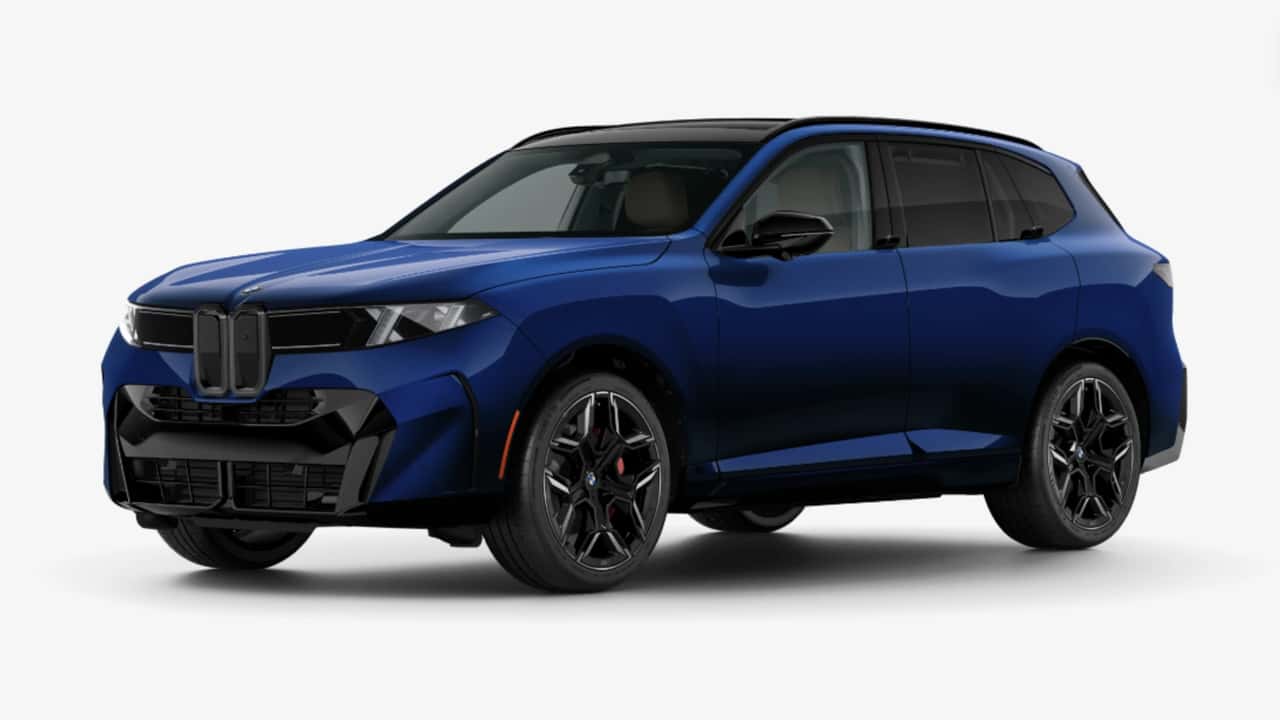
The modern luxury SUV market has officially crossed a psychological rubicon. Reporting for 24x7 Breaking News, our editorial team recently analyzed the latest configurator updates for Bavaria’s darling, and the fully loaded BMW X5 price now easily breaches the eye-watering $95,000 threshold.
- Dissecting the Fully Loaded BMW X5 Price: Where Every Dollar Goes
- Under the Hood: Engineering Excellence Meets Tech Overload
- The Battle for the High-End Driveway: X5 vs. The World
- The Economic Reality of the Six-Figure Suburban Cruiser
- Our Take: Why the Luxury Car Bubble Threatens the Average Driver
- Frequently Asked Questions (FAQ)
- What is the base price of the BMW X5 compared to a fully loaded model?
- Does the BMW X5 require premium fuel?
- What are the most expensive options on the new BMW X5?
- How reliable is the BMW X5 over long-term ownership?
For decades, the X5 represented the sweet spot of executive utility, but this latest pricing trajectory signals a dramatic shift in how automakers value their premium real estate. When analyzing the fully loaded BMW X5 price, we see a stark reflection of modern luxury car inflation and aggressive corporate positioning.
Dissecting the Fully Loaded BMW X5 Price: Where Every Dollar Goes
To understand how a midsize family hauler flirts with six figures, we must look at the options sheet. A standard BMW X5 xDrive40i starts at a relatively reasonable $68,000, but BMW’s legendary customization menu quickly extracts a heavy toll.
Adding the M Sport Professional Package immediately tacks on thousands, introducing aggressive aerodynamic bodywork, shadowline trim, and upgraded M Sport brakes. Inside the cabin, the luxury tax intensifies as buyers demand higher levels of personalization.
Choosing the exquisite Merino Leather upholstery over the standard Sensafin synthetic material adds $1,950. If you want the Executive Package—which crowns the interior with a panoramic Sky Lounge LED roof, glass controls, and soft-close doors—prepare to part with another $3,950.
We also must account for the Climate Comfort Package ($1,350) and the critical driving assistance packages ($2,100), which add hands-free highway piloting. By the time you add the premium Bowers & Wilkins Diamond Surround Sound System for $3,400 and the adaptive M suspension, your "everyday" SUV has transformed into an elite financial commitment.
Under the Hood: Engineering Excellence Meets Tech Overload
Powering this expensive beast is BMW’s masterpiece: the B58 3.0-liter turbocharged inline-six engine, now paired with a 48-volt mild-hybrid system. This powertrain coaxes out a muscular 375 horsepower and 398 lb-ft of torque, propelling the heavy SUV from 0 to 60 mph in a blistering 5.2 seconds.
For those choosing the plug-in hybrid xDrive50e, the combined output jumps to 483 horsepower, offering nearly 40 miles of pure electric range. The handling remains the gold standard for this class, utilizing double-wishbone front suspension and a five-link rear setup that masks the vehicle's 5,000-pound curb weight.
Yet, the real-world driving experience is increasingly dominated by screens rather than mechanical feedback. BMW's massive curved display runs the latest iDrive system, which controls everything from climate settings to suspension stiffness.
While the technology is undeniably fast, our test drivers noted that adjusting basic cabin temperatures now requires navigating multiple digital submenus. This digital transition highlights a broader trend: automakers are prioritizing high-margin software ecosystems over tactile, intuitive controls.
This massive investment in digital architecture mirrors the tech sector's high-stakes gambles, much like how the $250 Billion AI Reality Check has forced Wall Street to question whether massive software investments actually deliver immediate value to everyday consumers.
The Battle for the High-End Driveway: X5 vs. The World
How does this German heavyweight stack up against its fierce rivals in the premium automotive market? When you look at the Mercedes-Benz GLE-Class, the pricing structure is remarkably similar, with the GLE 450 easily climbing past $90,000 when fully optioned.
However, the Mercedes leans heavily into soft luxury and pillowy ride comfort, whereas the BMW retains its athletic, driver-focused DNA. For drivers who crave a more engaging steering feel, the X5 remains the undisputed king of the luxury midsize SUV segment.
The Porsche Cayenne is another obvious competitor, though it operates in an entirely different financial atmosphere. A base Cayenne starts near where a well-optioned X5 ends, and a fully customized Porsche can easily breach $130,000.
This positioning makes the $95,000 X5 look like a relative bargain in the ultra-premium space, a realization that speaks volumes about the current state of luxury car pricing. We first encountered details of these escalating pricing configurations through industry pricing sheets shared across regional dealer networks, a story that initially broke on obscure automotive forums before we verified the numbers directly on BMW's official configurator.
The Economic Reality of the Six-Figure Suburban Cruiser
Why has the cost of premium transport climbed so high, so fast? Part of the answer lies in the aggressive upmarket migration of legacy car manufacturers.
Faced with supply chain challenges and evolving environmental regulations, brands like BMW, Mercedes-Benz, and Audi have shifted their focus from high-volume sales to high-margin luxury vehicles. They know that affluent buyers are willing to absorb price hikes, even in a volatile economic climate.
However, this trend poses a massive challenge for the average consumer. With interest rates remaining stubbornly high, financing a $95,000 vehicle translates to monthly payments that rival home mortgages.
We explored these broader monetary challenges in our deep-dive analysis of the Federal Reserve Rate Hikes, which continue to put economic stability at a crossroads. Buying a premium vehicle is no longer just a lifestyle choice; it is a major macroeconomic decision.
Our Take: Why the Luxury Car Bubble Threatens the Average Driver
In our view, the $95,000 BMW X5 is a magnificent piece of engineering that exposes a deeply troubling industry trend. We believe that automakers are losing touch with the middle-class buyers who built their brand loyalty in the first place.
By locking essential safety features—like advanced collision avoidance and lane-keeping assist—behind expensive optional packages, manufacturers are treating passenger safety as a premium luxury rather than a baseline standard. This tiering of safety features is a practice we strongly oppose.
Furthermore, the environmental footprint of these heavy, option-laden luxury SUVs cannot be ignored. Even with mild-hybrid assistance, a fully loaded gas-powered X5 consumes resources at a rate that clashes with the global push toward sustainable transportation.
We urge luxury brands to reconsider their pricing strategies before they completely alienate the enthusiast community. Prestige should be earned through innovation and accessibility, not merely by inflating the sticker price to appeal to the ultra-wealthy.
Frequently Asked Questions (FAQ)
What is the base price of the BMW X5 compared to a fully loaded model?
The base rear-wheel-drive BMW X5 sDrive40i starts at approximately $65,700, while a fully optioned xDrive50e or M60i model easily surpasses $95,000 to $120,000 depending on individual paint and leather selections.
Does the BMW X5 require premium fuel?
Yes, BMW recommends premium unleaded gasoline (91 octane or higher) for all X5 engine variants to maintain peak performance and prevent engine knocking.
What are the most expensive options on the new BMW X5?
The most expensive add-ons include the Bowers & Wilkins Diamond Surround Sound System ($3,400), the Executive Package ($3,950), and customized BMW Individual paint finishes which can cost up to $5,000.
How reliable is the BMW X5 over long-term ownership?
While the B58 inline-six engine is highly praised for its durability, the complex air suspension systems and extensive cabin electronics can lead to high maintenance costs once the factory warranty expires.
Ultimately, whether the fully loaded BMW X5 price represents a fair trade for unparalleled German engineering or a stark example of corporate greed is up to the buyer. As the luxury market continues to push boundaries, consumers must decide where comfort ends and excess begins. Would you pay $95,000 for a fully optioned BMW X5, or would you rather spend that money on a dedicated sports car and a practical daily driver?
This article was independently researched and written by Hussain for 24x7 Breaking News. We adhere to strict journalistic standards and editorial independence.
Comments
Post a Comment