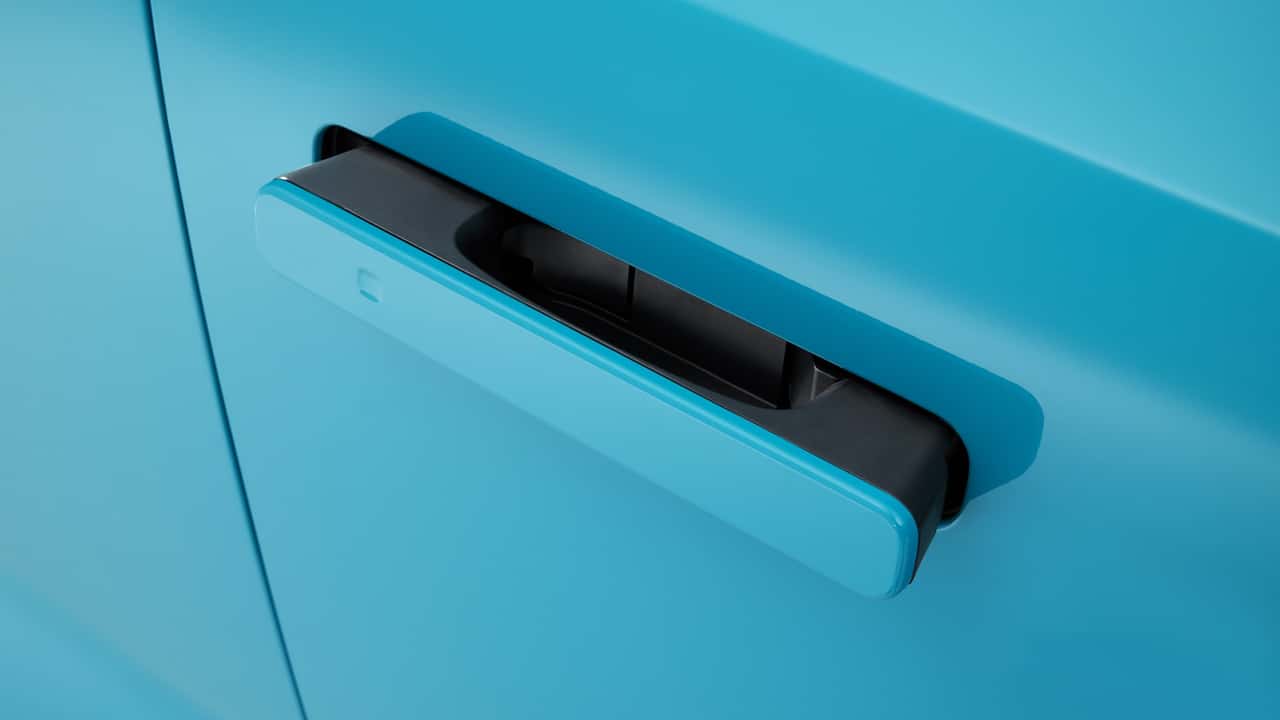
The Mechanics of Risk: Why Regulators Are Eyeing Your Door Handles
Reporting for 24x7 Breaking News, we have tracked reports concerning a potential federal crackdown on the automotive industry's latest aesthetic obsession: the flush-mounted, retractable door handle. While these aerodynamic marvels have become a staple of modern electric vehicle design, federal safety regulators are beginning to ask a fundamental question: what happens when the power dies, or the mechanism jams during an emergency?
- The Mechanics of Risk: Why Regulators Are Eyeing Your Door Handles
- The Engineering Challenge of Emergency Egress
- Market Trends and the Price of Innovation
- Our Take: The Human Cost of Design
- Frequently Asked Questions (FAQ)
- Why are flush door handles becoming so common?
- Are these handles dangerous in a crash?
- Do all flush handles fail if the power is cut?
- Final Thoughts on Automotive Design
Aerodynamics and aesthetics have long driven vehicle design, but the integration of flush door handles has created a new friction point between style and safety. As we have observed in our ongoing coverage of the automotive sector, including recent industry shifts like those seen in Apple’s efficiency-driven market dominance, manufacturers are obsessed with reducing drag coefficients to squeeze every last mile out of battery packs. However, when those handles fail to deploy, first responders are left with few options to access the cabin.
The Engineering Challenge of Emergency Egress
The core of the issue lies in the reliance on electronic actuators. In a traditional vehicle, a mechanical linkage provides a direct physical connection between the handle and the latch. In many modern designs, that physical connection has been replaced by a signal sent to a motorized unit. If the 12-volt battery is severed in a collision—or if the door control module loses power—the handle may remain stuck flush against the bodywork.
We consulted with automotive engineers who emphasize that vehicle safety standards are being tested by these design choices. While manufacturers argue that they build in manual overrides or 'break-glass' procedures for emergency services, the reality on the ground is often more chaotic. Firefighters and EMTs are trained to act within seconds; fumbling for a hidden manual release or trying to pry open a door that doesn't offer a purchase point can mean the difference between life and death.
Market Trends and the Price of Innovation
The push for flush handles is not merely about form; it is a calculated engineering play to improve range. By smoothing out the side profile of a vehicle, designers can claim marginal improvements in efficiency, which are highly prized in the EV market. Similar to the high-stakes pressure in aerospace projects, the automotive industry faces immense pressure to innovate, sometimes at the expense of established safety protocols.
We note that this isn't the first time safety has been sacrificed for style. However, as these vehicles age, the risk of mechanical degradation in these complex handle assemblies increases. Consumers who purchase these vehicles used may find themselves inheriting a maintenance nightmare, where a simple $20 latch repair becomes a $600 electronic assembly failure.
Our Take: The Human Cost of Design
In our view, the automotive industry has lost its way by prioritizing 'sleekness' over fundamental utility. We believe that a door handle is, first and foremost, a life-saving device that must function under any condition, regardless of whether the battery is charged or the software is functioning. The fact that we are even debating whether a government mandate is required to ensure doors can be opened during a crash is a scathing indictment of current design priorities.
We aren't Luddites; we love the clean lines of modern vehicles. But we also value the lives of the occupants. Manufacturers must prioritize fail-safe mechanical linkages that ensure egress regardless of the vehicle's electrical state. If the industry won't self-regulate, the government must step in to mandate that every vehicle sold in the United States maintains a reliable, intuitive method for emergency entry. Efficiency is important, but it should never cost a passenger their ability to escape a burning car.
Frequently Asked Questions (FAQ)
Why are flush door handles becoming so common?
Automakers use them primarily to reduce aerodynamic drag, which helps improve the overall range and efficiency of electric vehicles.
Are these handles dangerous in a crash?
They can be problematic if the vehicle's electrical system is compromised or if the motorized mechanism jams, potentially preventing occupants from getting out or first responders from getting in.
Do all flush handles fail if the power is cut?
Not all of them; some manufacturers include secondary mechanical overrides, but these are often hidden or difficult for emergency personnel to locate quickly.
Final Thoughts on Automotive Design
The debate over flush door handles is symptomatic of a larger conflict between tech-forward design and practical safety. As we continue to monitor this situation, it remains clear that convenience features must not impede basic emergency access. Would you choose a car with retractable handles knowing they could potentially trap you in an emergency, or is safety worth the trade-off in range and style?
This article was independently researched and written by Hussain for 24x7 Breaking News. We adhere to strict journalistic standards and editorial independence.
Comments
Post a Comment