The Strategic Calculus of a Regional Conflict
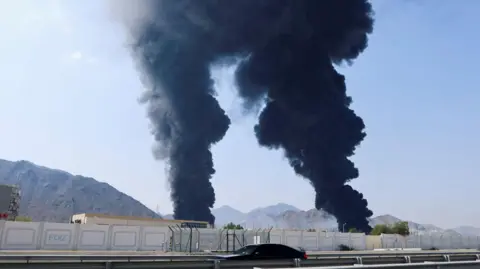
Reporting for 24x7 Breaking News, we examine the shifting landscape of the ongoing conflict between the United States, Israel, and Iran. As the Iran war enters its third week, the primary objectives of the involved combatants remain dangerously misaligned, creating a volatile environment where a clear path to de-escalation is increasingly difficult to find.
- The Strategic Calculus of a Regional Conflict
- The Geopolitical Chessboard and the Strait of Hormuz
- The Real-World Impact on Global Citizens
- A Humanitarian Perspective
- Frequently Asked Questions (FAQ)
- Why is the Strait of Hormuz so critical to this conflict?
- What does Iran want in exchange for ending the war?
- Why is Israel continuing to strike after sixteen days of combat?
President Donald Trump has maintained a fluid, often opaque, stance on his ultimate war aims. While the administration initially focused on curtailing Iran's nuclear program, the rhetoric has frequently pivoted toward the total collapse of the Islamic Republic, a goal that remains elusive as the regime in Tehran displays significant resilience despite sustained precision bombing campaigns.
According to intelligence reports and diplomatic channels, indirect talks held in Geneva this past February—mediated by Omani officials—suggested a potential pathway to nuclear verification. However, Iran refused to concede on its ballistic missile development or its regional influence via proxy groups like Hezbollah and the Houthis, creating an impasse that persists today.
The Geopolitical Chessboard and the Strait of Hormuz
Israel’s strategy is arguably the most aggressive, as Prime Minister Benjamin Netanyahu views the current conflict as a rare opportunity to systematically dismantle Iran’s long-range strike capabilities. By targeting radar sites, command centers, and IRGC (Islamic Revolutionary Guard Corps) bases, Israel is attempting to impose a cost so high that it creates a deterrent against future missile threats.
However, the global economic ripple effects are becoming unavoidable. The Strait of Hormuz, which carries roughly 20% of the world's daily oil supply, has become a strategic chokepoint. While the US has appealed for international naval support to safeguard commercial shipping, European and UK allies remain deeply reluctant to commit assets to a conflict they did not endorse, highlighting a widening rift in Western foreign policy.
For Tehran, the appointment of Mojtaba Khamenei as the new Supreme Leader marks a doubling down on hardline defiance. The regime appears to be banking on "strategic patience," betting that the combination of geographical advantages and the economic strain of rising global oil prices will eventually force the US to prioritize domestic stability over continued military engagement.
The Real-World Impact on Global Citizens
While leaders discuss grand strategies, the human cost of this conflict is felt at the local level. Energy costs are spiking, directly affecting the price of gasoline and heating for millions of households across the United States and Europe. As supply chains face uncertainty, the ripple effect reaches grocery stores and manufacturing sectors, exacerbating inflation that many families are already struggling to manage.
This conflict also highlights the fragility of our interconnected world, where a strike in the Middle East translates into a budget crisis for a working-class family in America. For those interested in broader security concerns, our recent reporting on the Elite Police Officer Charged in Execution of Key Corruption Whistleblower serves as a reminder of how internal governance and global stability are often inextricably linked by the same threads of accountability and power.
A Humanitarian Perspective
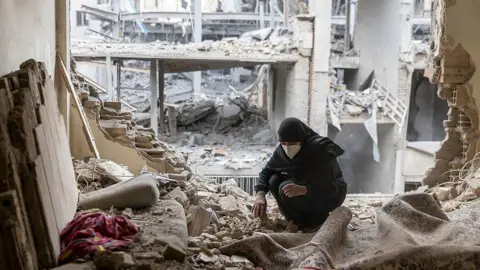
Beyond the spreadsheets and military briefings, we must consider the civilians trapped beneath the flight paths of these munitions. Whether in the suburbs of Tel Aviv or the neighborhoods of Tehran, ordinary people are the ones enduring the psychological toll of a war they did not choose. True security, as history shows, is rarely built on the ruins of infrastructure or the rubble of cities; it is built through the difficult, often tedious work of diplomacy.
The current path—marked by airstrikes and mutual threats—offers no clear resolution, only the promise of further instability. As the international community watches, the need for a mediated peace that respects the dignity and safety of all involved populations has never been more urgent. We must ask ourselves if the pursuit of regime change is worth the human suffering that inevitably follows in its wake.
Frequently Asked Questions (FAQ)
Why is the Strait of Hormuz so critical to this conflict?
- The strait is a vital maritime chokepoint that handles approximately 20% of the world's oil production. Any disruption here causes immediate spikes in global energy prices.
What does Iran want in exchange for ending the war?
- Tehran has publicly demanded formal, binding guarantees against future attacks and financial reparations for damages caused by the ongoing airstrikes.
Why is Israel continuing to strike after sixteen days of combat?
- Israel’s primary objective is the long-term degradation of Iran’s ballistic missile and drone production infrastructure, which it views as an existential threat.
Ultimately, the Iran war remains an unpredictable firestorm with no clear end in sight. As global powers weigh their options, the question remains: Would you support a diplomatic ceasefire even if it allows the current regime in Tehran to remain in power, or is regime change a non-negotiable requirement for regional stability?


This article was independently researched and written by Hussain for 24x7 Breaking News. We adhere to strict journalistic standards and editorial independence.
Comments
Post a Comment