Tragedy Over Western Iraq: The Loss of Six American Heroes
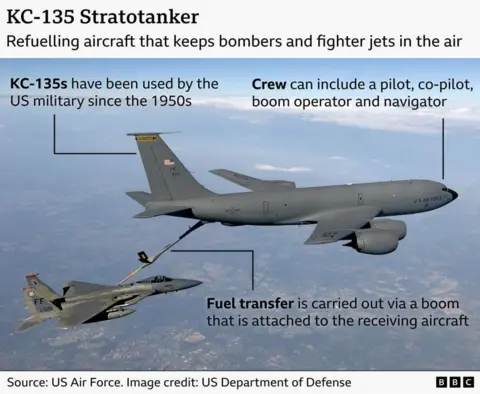
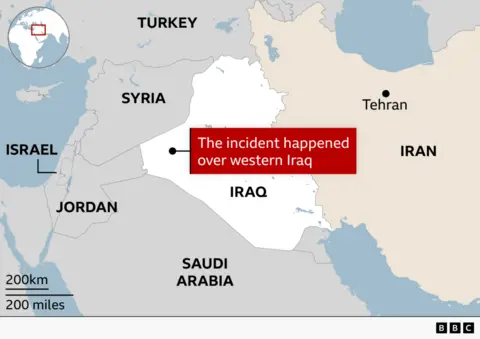
Reporting for 24x7 Breaking News, we have received confirmation that the six crew members tragically killed in the crash of a US refueling aircraft in western Iraq have been officially identified. The loss of this KC-135 Stratotanker, which occurred during a combat mission on Thursday, has sent shockwaves through the military community and marks a somber escalation in the ongoing regional conflict.
- Tragedy Over Western Iraq: The Loss of Six American Heroes
- Investigating the Skies Over the Iraqi-Jordanian Border
- The Growing Toll of a Widespread Conflict
- The Human Cost of Combat Missions
- Frequently Asked Questions (FAQ)
- What caused the KC-135 Stratotanker to crash?
- How many US service members have died in the recent Iran conflict?
- What is the role of the KC-135 Stratotanker?
- A Humanitarian Perspective
The Pentagon confirmed the identities of the fallen airmen as John Klinner, 33, of Alabama; Ariana Savino, 31, of Washington; Ashley Pruitt, 34, of Kentucky; Seth Koval, 38, of Indiana; Curtis Angst, 30, of Ohio; and Tyler Simmons, 28, also of Ohio. The crew comprised a mix of active-duty Air Force personnel and dedicated National Guard members.
Investigating the Skies Over the Iraqi-Jordanian Border
Initial assessments from US officials suggest the possibility of a midair collision, though the investigation remains in its early stages. The aircraft was part of a two-plane formation, the second of which successfully returned to base. Notably, US Central Command (Centcom) has clarified that the incident occurred over friendly airspace and that neither hostile nor friendly fire was involved in the initial loss of the aircraft.
This incident comes amid a volatile landscape in western Iraq, an area where pro-Iranian militias maintain a significant presence. While Iranian state media has claimed that an allied group successfully targeted the plane with a missile, the US military has categorically denied this, emphasizing that the circumstances surrounding the crash are still under active investigation. For more in-depth reporting on complex geopolitical shifts, readers may find interest in our recent coverage on government transparency and accountability.
The Growing Toll of a Widespread Conflict
This tragic crash brings the total US military death toll in the current conflict with Iran to 13 within the last fortnight. The loss of these six airmen follows the deaths of six soldiers in Kuwait and another in Saudi Arabia, highlighting the immense risk faced by our service members in the region. Since the commencement of US and Israeli strikes on February 28, the military has now lost at least four aircraft, including three F-15 fighter jets previously downed over Kuwait.
The Human Cost of Combat Missions
Beyond the dry headlines and casualty counts, there are grieving families in Alabama, Washington, Kentucky, Indiana, and Ohio who are now dealing with the unimaginable. These individuals were not just service members; they were parents, spouses, and children who believed in the mission they were tasked to perform. The physical and emotional weight of this war is increasingly felt at kitchen tables across America, raising questions about the sustainability of such high-intensity operations.
We must remember that the bravery of these individuals exists independent of the political complexities that put them in harm's way. Whether one is watching the shifting landscapes of global sports, such as the latest updates on international competition, or following the news of our armed forces, the human element remains the most critical factor in every story we cover.
Frequently Asked Questions (FAQ)
What caused the KC-135 Stratotanker to crash?
Official reports indicate an investigation is underway into a possible midair collision. The Pentagon has ruled out hostile or friendly fire.
How many US service members have died in the recent Iran conflict?
As of this reporting, the official US military death toll stands at 13, including the six crew members lost in this latest incident.
What is the role of the KC-135 Stratotanker?
The KC-135 is an aerial refueling tanker that allows combat aircraft to extend their operational range, serving as a critical backbone for US military logistics since the 1950s.
A Humanitarian Perspective
In moments like these, it is vital to prioritize the sanctity of life over tactical objectives. The loss of these six airmen is a profound tragedy that demands we re-evaluate the costs of our foreign policy engagements. We must strive for a world where diplomatic dialogue renders the necessity of such dangerous missions obsolete, favoring the preservation of life and the pursuit of peace over perpetual conflict.
The loss of these six airmen is a stark reminder of the fragile nature of peace in the Middle East. So here's the real question — when the cost of war is measured in the lives of our own, is the current strategy in the region truly serving the long-term safety and values of the American people?




This article was independently researched and written by Hussain for 24x7 Breaking News. We adhere to strict journalistic standards and editorial independence.
Comments
Post a Comment