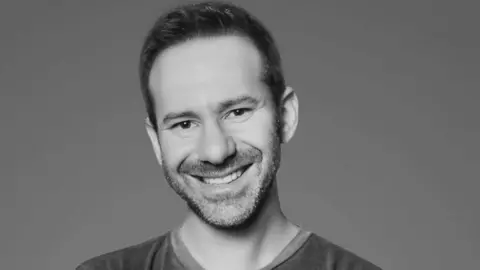
The Sudden Passing of a Digital Mogul
The digital economy is mourning a complex and polarizing figure today. Leonid Radvinsky, the enigmatic owner of the content-subscription platform OnlyFans, has died at the age of 43. Reporting for 24x7 Breaking News, we have confirmed through official company statements that Radvinsky passed away peacefully following a prolonged struggle with cancer.
- The Sudden Passing of a Digital Mogul
- Building an Empire of Connectivity
- Navigating Scrutiny and Corporate Challenges
- The Real-World Impact on Digital Labor
- A Humanitarian Perspective
- Frequently Asked Questions (FAQ)
- What happens to the ownership of OnlyFans?
- What were the major regulatory issues facing the company?
- How does OnlyFans make money?
Radvinsky, a Ukraine-born entrepreneur raised in Chicago, leaves behind a legacy that fundamentally altered the landscape of the adult entertainment industry. Since acquiring the company in 2018 from its UK-based founders, he transformed the platform into a multi-billion dollar juggernaut. We came across this story via initial reports from lr.com, which provided the first confirmation of his passing.
Building an Empire of Connectivity
When Radvinsky took the helm of OnlyFans, the site was a niche player. Under his guidance, it exploded in popularity, particularly during the 2020 pandemic lockdowns. By 2023, his stewardship had propelled him onto Forbes' list of billionaires. The platform's model—a 20% commission on creator-led content—proved to be an incredibly lucrative engine for growth.
According to the most recent Companies House filings, the platform facilitated over £7 billion in transactions in 2024 alone, generating $1.4 billion in revenue for the firm. With more than 377 million subscribers and 4.6 million creators globally, the scale of the operation is difficult to overstate. It has become a central hub for millions, though its rapid rise has not been without significant controversy.
Navigating Scrutiny and Corporate Challenges
The company’s meteoric success has frequently collided with the realities of content moderation and digital safety. In 2024, the firm faced intense heat from British regulators over allegations regarding underage access to adult content. While the company attributed these lapses to technical failures, the UK’s Ofcom regulator ultimately levied a £1 million fine against the organization.
Beyond regulatory hurdles, the firm has navigated complex legal waters, including disputes with users who alleged they were misled by automated messaging systems. While those legal challenges haven't resulted in landmark rulings, they highlight the friction between platform automation and human expectations. For more context on how digital platforms navigate shifting safety standards, see our recent report on Hong Kong police and digital security.
The Real-World Impact on Digital Labor
For millions of creators, OnlyFans represents more than just a media platform; it is a primary income source in an increasingly gig-based economy. The platform’s ability to bypass traditional agency gatekeepers has empowered many, yet it has also introduced a new form of digital precarity. When we examine the broader labor market, we often see parallels between the gig economy and the health of the American workforce. For a deeper look at how changing consumption habits impact our health, readers may be interested in our analysis of GLP-1 weight loss drugs.
The death of a founder at 43 serves as a stark reminder of the fragile nature of life, even for those who command vast digital empires. As the company transitions into a new chapter, the primary question for investors and employees alike is whether the platform’s current content moderation and monetization models are sustainable without its central architect.
A Humanitarian Perspective
In our view, the life and work of Leonid Radvinsky represent the double-edged sword of the 21st-century internet. He provided a platform that allowed millions to monetize their own image and agency, providing a lifeline for many who were marginalized by traditional media structures. However, we must also address the systemic risks that come with such rapid, unchecked growth in the adult entertainment sector.
We believe that empathy is due to his family during this time of mourning. Simultaneously, we advocate for a future where digital platforms prioritize human safety and dignity over pure transaction volumes. The industry must grapple with the fact that behind every subscription count is a human life, and behind every transaction is a social responsibility that cannot be offloaded to an algorithm.
Frequently Asked Questions (FAQ)
What happens to the ownership of OnlyFans?
The company has not yet released a detailed succession plan. Given that Radvinsky was the primary owner, we expect a transition period as the board and current leadership determine the future of the platform’s governance.
What were the major regulatory issues facing the company?
OnlyFans has faced significant scrutiny over age-verification protocols. The most prominent incident resulted in a £1 million fine from Ofcom in 2024, following an investigation into whether minors were accessing adult content on the site.
How does OnlyFans make money?
The platform operates on a commission-based model. It retains 20% of all payments made between subscribers and creators, which includes subscriptions, tips, and direct requests for custom media.
The passing of Leonid Radvinsky marks the end of a pivotal era for the platform that redefined the digital creator economy. As the firm looks ahead, the stability of its massive, decentralized network will be the ultimate test of the systems he built. Is the OnlyFans business model robust enough to thrive without its founder’s specific strategic vision, or are we about to witness a period of necessary but painful reform?
This article was independently researched and written by Hussain for 24x7 Breaking News. We adhere to strict journalistic standards and editorial independence.
Comments
Post a Comment