Reporting for 24x7 Breaking News.
BMW is making its potent M2 coupe even more formidable, not through brute force engine upgrades, but through a series of carefully calibrated enhancements aimed squarely at driver engagement and outright performance. The latest iteration of the compact performance machine receives a suite of chassis and aerodynamic tweaks designed to unlock greater agility and responsiveness, proving that refinement can be just as thrilling as raw power. These updates signal BMW's continued commitment to the purist driving experience, even as the automotive landscape rapidly shifts towards electrification.
The M2's Subtle Evolution: More Grip, More Speed
While the heart of the M2, its twin-turbocharged inline-six engine, remains untouched, the engineers at BMW M GmbH have clearly been busy elsewhere. The most significant upgrades focus on the car's dynamic capabilities, promising a more connected and exhilarating drive for those fortunate enough to get behind the wheel. These are not cosmetic changes; they are fundamental adjustments to how the M2 interacts with the road, transforming its already impressive performance envelope.
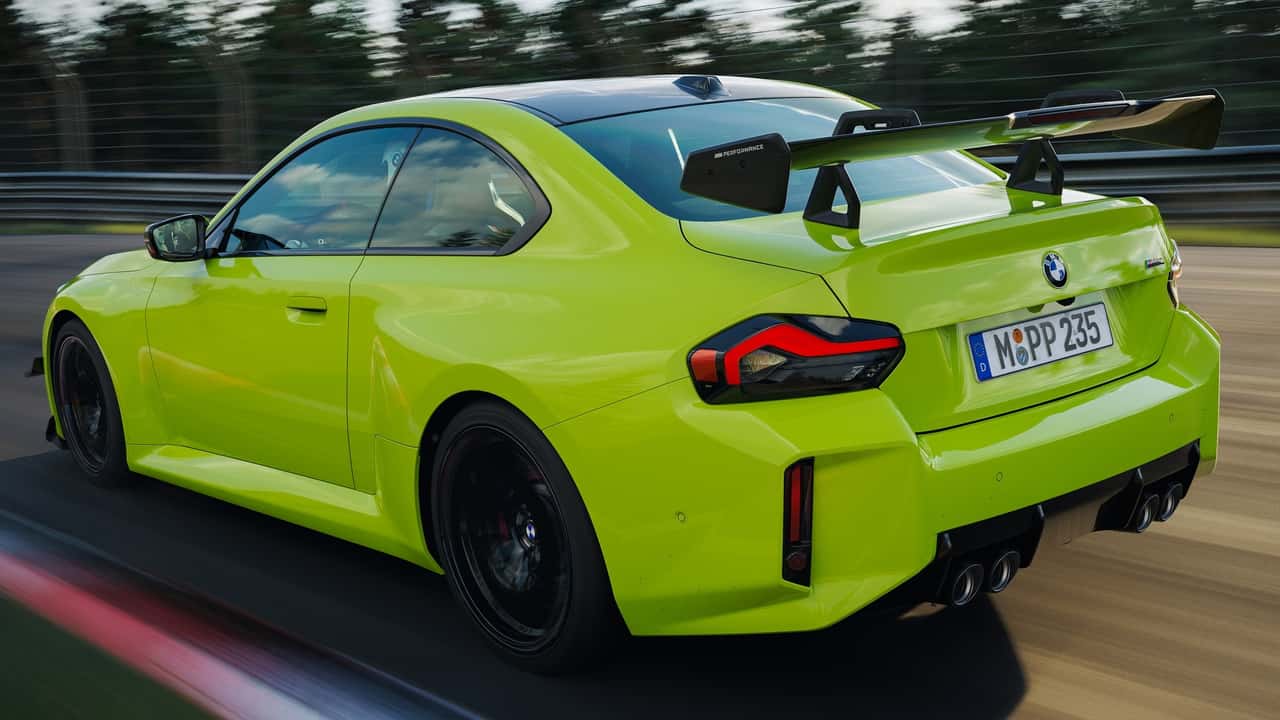
The introduction of new, lighter M forged wheels is a key component, reducing unsprung mass and allowing the suspension to react more quickly to imperfections in the tarmac. Coupled with this are revised suspension tuning and updated steering geometry. These changes are designed to provide sharper turn-in, improved stability under hard braking, and a more communicative feel through the steering column, allowing drivers to place the car with surgical precision.
Furthermore, aerodynamic enhancements, though subtle, play a crucial role. Revised front spoilers and rear diffusers work in concert to increase downforce and improve aerodynamic balance, particularly at high speeds. This not only contributes to stability but also enhances the car's ability to carve through corners with confidence, a testament to BMW's holistic approach to performance engineering. It’s a clear indication that the pursuit of speed isn't solely about horsepower figures but also about harnessing the forces of physics.
Unlocking the Potential: Real-World Driving Dynamics
For enthusiasts who demand more from their performance vehicles, these updates translate directly into a more rewarding driving experience. The reduced unsprung weight means the M2 can better navigate uneven surfaces, maintaining tire contact and grip where lesser cars might falter. This is crucial for real-world performance, whether navigating a challenging mountain pass or pushing the limits on a track day.
The revised steering offers a more immediate response, reducing the slight delay between driver input and vehicle reaction that can sometimes be felt in previous iterations. This heightened responsiveness is particularly noticeable during dynamic driving, allowing for quicker corrections and a greater sense of control. It’s the kind of nuanced improvement that separates a great performance car from an exceptional one, transforming the driver from a passenger to an integral part of the machine.
BMW's focus on these dynamic improvements is a welcome counterpoint to the industry's relentless pursuit of ever-larger battery packs and longer electric ranges. While advancements in EV technology are undeniably important, as seen with the ongoing developments in electric trucks and everyday commuters, the visceral thrill of a finely tuned internal combustion engine remains a powerful draw for many. The M2, in this regard, represents a deliberate choice to double down on the analog driving pleasure that has long defined BMW's M division.
The M2's Aerodynamic Edge: More Than Just Looks
The aerodynamic refinements, while perhaps less immediately obvious than suspension changes, are critical to the M2's enhanced performance. Increased downforce at both the front and rear of the vehicle ensures that the tires remain firmly planted, even when subjected to extreme lateral forces. This improved stability allows drivers to carry more speed through corners, shaving valuable seconds off lap times.
BMW's engineers have meticulously sculpted the M2's bodywork to optimize airflow. The front splitter has been subtly re-profiled to guide air more effectively, while the rear diffuser works to manage the turbulent air exiting from beneath the car. These elements, when combined, contribute to a more predictable and confidence-inspiring ride, especially for those who intend to push the M2 to its limits on closed circuits.
This attention to aerodynamic detail underscores a sophisticated understanding of vehicle dynamics. It's not just about making the car look aggressive; it's about using airflow to actively improve its performance and handling characteristics. This mirrors the principles seen in high-performance motorsport, where every surface and contour is optimized for speed and stability.
A Nod to Tradition in a Shifting Automotive World
In an era where the automotive industry is undergoing seismic shifts towards electrification, BMW's continued investment in its high-performance, gasoline-powered M models is noteworthy. While the company is certainly a major player in the EV space, the M2's enhancements demonstrate a commitment to satisfying enthusiasts who cherish the traditional combustion engine experience. This approach acknowledges that the future of mobility is diverse, with room for both electric innovation and the enduring appeal of finely crafted performance cars.
This strategy might seem counterintuitive to some, especially when considering the challenges faced by other performance brands. For instance, Maserati has recently grappled with significant sales downturns, highlighting the delicate balance manufacturers must strike between market demands and their brand heritage. The M2's refined approach suggests BMW believes it can cater to the enthusiast market while also navigating the broader industry transition, a strategy that could prove vital for its long-term success.
The decision to forgo an engine power increase in favor of chassis and aerodynamic upgrades also speaks to a mature understanding of performance. It suggests that BMW recognizes the diminishing returns of simply adding more horsepower without considering how that power is effectively put to the road. This focus on the holistic driving experience is a hallmark of true performance engineering, prioritizing balance and driver feedback over headline-grabbing power figures.
The automotive world is constantly evolving. We've seen how new vehicle introductions can create unexpected demand, as was the case with the excitement surrounding the GTA Online Adds Beloved Kei Truck, Igniting Player Frenzy, showcasing how even virtual car releases can capture public imagination. Similarly, traditional automotive news often involves recalls, such as the recent Subaru Recalls Nearly 70,000 Cars Over Fuel Leak Risk, reminding consumers of the critical importance of safety and manufacturer accountability.
BMW's approach with the M2 stands in contrast to brands struggling to adapt. Unlike Maserati, which is navigating a sales crisis, or Nissan, which has seen scarcity due to high demand for its Z Nismo manual transmission, BMW seems to be finding a sweet spot. They are enhancing an already popular performance model without resorting to massive, costly overhauls, relying instead on meticulous engineering refinement.
Looking Ahead: The Enduring Appeal of M Performance
The updated BMW M2 is more than just a slightly faster car; it represents a philosophy. It's a statement that the joy of driving, the connection between human and machine, is still paramount for a significant segment of the automotive market. The M2's refined dynamics offer a tantalizing glimpse into a future where performance cars can continue to evolve and excite, even as the industry embraces new technologies.
As automakers like Kia prepare to launch new models, such as the anticipated 2027 Kia Telluride Price Tag Leaked: What to Expect, and brands like Acura make strategic returns to their home markets, the automotive landscape remains dynamic. BMW's M division, with its consistent focus on driver engagement, appears well-positioned to capitalize on the enduring desire for exhilarating driving machines. The M2's enhancements are a clear signal that the pursuit of driving perfection is far from over.
The question remains whether these focused enhancements to the M2 will be enough to satisfy enthusiasts craving ever-greater performance, or if the automotive world's relentless march towards electrification will eventually overshadow even the most refined internal combustion engines. Given the industry's trajectory, is BMW's commitment to refining traditional performance cars a shrewd long-term strategy, or a beautiful, yet ultimately fleeting, tribute to an era past?
This article was independently researched and written by Hussain for 24x7 Breaking News. We adhere to strict journalistic standards and editorial independence.
Comments
Post a Comment