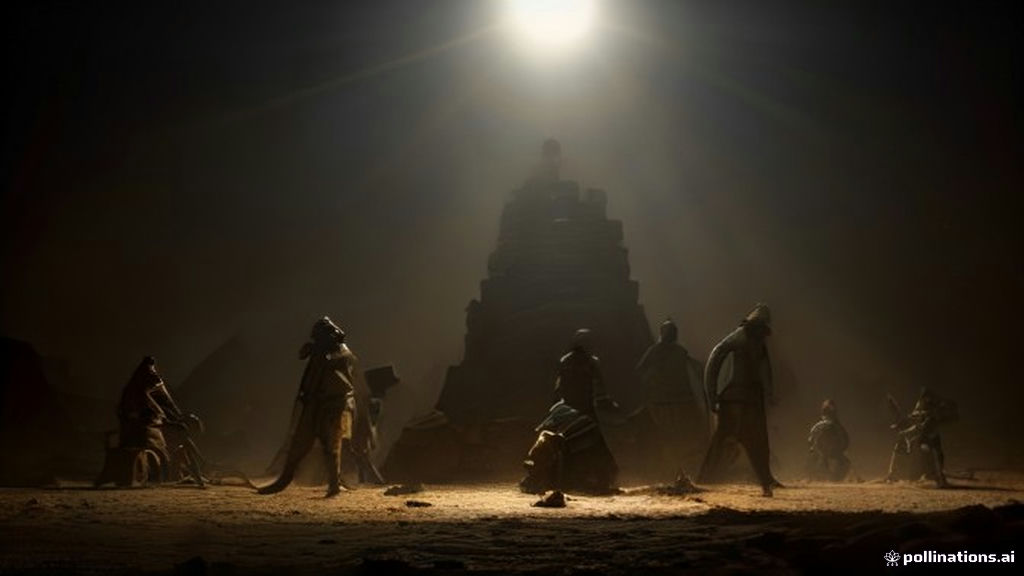
Long before modern legislatures debated legalization, ancient cannabis rituals were already shaping the social and spiritual fabric of nomadic tribes across the Eurasian steppes. As Google News initially reported, historical and archaeological inquiries into the Scythians—a legendary group of horse-riding warriors who dominated the plains from roughly the 9th to the 1st century BCE—reveal a society deeply intertwined with mind-altering botanical practices. Stepping into a Scythian tent ritual meant engaging in an intense communal bonding exercise driven by the heavy smoke of burning hemp seeds.
- Uncovering the Archaeological Evidence of Scythian Cannabis Use
- The Chemistry and Purpose of Steppe Vapor Baths
- Bridging Ancient Traditions and Modern Historical Inquiry
- The Counterpoint: Skepticism and the Limits of Archaeological Interpretation
- Editor's Opinion: A Window Into Our Shared Human Past
- At a Glance: Key Takeaways on Scythian Cannabis Customs
- Frequently Asked Questions
- Did all Scythians participate in cannabis rituals?
- How did historians first learn about these practices?
- What did modern science discover in Scythian tombs?
- Discover how ancient nomadic tribes utilized cannabis for spiritual communion.
- Explore the archaeological evidence uncovered in burial kurgans across Eurasia.
- Examine the striking parallels between classical Greek accounts and modern scientific findings.
Uncovering the Archaeological Evidence of Scythian Cannabis Use
The primary historical anchor for these intoxicating ceremonies comes from the ancient Greek historian Herodotus, who documented the customs of the Scythians in his seminal work The Histories. Herodotus described how these fierce nomads constructed small wooden frame tents covered with woolen fleeces, inside of which they placed red-hot stones. Upon these stones, they cast cannabis seeds, producing a thick vapor that surpassed anything Greece could produce, causing the participants to shout with joy.
For decades, many classicists dismissed these accounts as exaggerations or fantastical travelers' tales designed to entertain Greek audiences. However, modern archaeology has dramatically vindicated Herodotus. Excavations of high-status Scythian burial mounds, known as kurgans, have repeatedly unearthed gold and bronze censers, charred hemp seeds, and residues containing cannabinoid compounds, confirming the physical reality of the ritual.
The Chemistry and Purpose of Steppe Vapor Baths
Understanding why the Scythians engaged in these practices requires looking past the surface novelty and examining the socio-religious framework of nomadic life. In harsh steppe environments where survival demanded acute coordination, shared intoxication served as a powerful mechanism for tribal cohesion. These rituals were rarely casual pastimes; they were sacred events tied to funerary rites, spiritual purification, and alliances among chieftains.
Chemical analysis of residues found in golden vessels excavated from elite burial sites in southern Russia and Kazakhstan has corroborated the use of both cannabis and opium. The implementation of enclosed tent structures points to an early understanding of inhalation dynamics, ensuring that participants maximized their exposure to the active compounds. This level of sophisticated preparation highlights a culture that approached botanical substances with deliberate intent rather than reckless abandon.
Bridging Ancient Traditions and Modern Historical Inquiry
The re-examination of Scythian culture aligns with a broader shift in how contemporary historians and anthropologists view ancient mind-altering substances. Rather than viewing drug use through a strictly moralizing modern lens, researchers now analyze ethnobotanical practices as central pillars of ancient human civilization, religion, and medicine. The Scythians utilized their surrounding flora not just for survival, but to transcend the physical limitations of their arduous daily existence.
Furthermore, these discoveries challenge persistent eurocentric narratives about drug consumption and cultural sophistication. The Scythians possessed intricate metallurgical skills, complex trade networks stretching from China to Greece, and sophisticated spiritual traditions that integrated the natural world deeply into their cosmology. Their practices demonstrate that humanity's relationship with botanical intoxicants is as old as civilization itself.
The Counterpoint: Skepticism and the Limits of Archaeological Interpretation
While the physical evidence of cannabis residues is robust, some archaeological skeptics urge caution regarding the universality and frequency of these practices across all Scythian social strata. Critics point out that many of the most elaborate drug-related artifacts are confined to elite kurgans, suggesting that such rituals may have been restricted to chieftains, shamans, or warriors of high rank rather than everyday nomads. Furthermore, distinguishing between ritualistic use, medicinal application, and general recreation remains a persistent challenge for paleoethnobotanists.
Other scholars emphasize that Herodotus's accounts may have been filtered through a lens of exoticism, intentionally exaggerating the wild habits of northern barbarians to fascinate or shock civilized Greek readers. While science has undeniably proven that the Scythians used cannabis, the exact social frequency and cultural boundaries of these rituals continue to be debated within the academic community.
Editor's Opinion: A Window Into Our Shared Human Past
In our view, the enduring fascination with Scythian cannabis rituals speaks volumes about our own complex relationship with altered states of consciousness. Humanity has spent millennia seeking ways to alter perception, whether to commune with the divine, process grief during funerals, or simply bond with community members around a shared fire. Recognizing the Scythians not merely as savage warriors, but as sophisticated participants in an ancient botanical tradition, humanizes a culture long relegated to the margins of history. We must acknowledge that the desire to look beyond the mundane is a fundamental, unchanging thread in the human experience, worthy of scientific curiosity rather than moral panic.
At a Glance: Key Takeaways on Scythian Cannabis Customs
- Herodotus's Account: The Greek historian provided the earliest written description of Scythian hemp-vapor baths in The Histories.
- Archaeological Proof: Modern excavations of high-status kurgans have uncovered golden censers containing real cannabis residue.
- Social Cohesion: Ritual intoxication served as a vital tool for spiritual transcendence and tribal bonding among nomadic elites.
- Class Distinction: Evidence suggests these sophisticated rituals were primarily concentrated among high-ranking warriors and chieftains.
Frequently Asked Questions
Did all Scythians participate in cannabis rituals?
Archaeological evidence suggests that these intensive vapor bath rituals were largely concentrated among elite warriors, nobility, and shamans rather than every ordinary nomad.
How did historians first learn about these practices?
The primary historical record originated from ancient Greek texts, particularly The Histories written by Herodotus in the 5th century BCE.
What did modern science discover in Scythian tombs?
Advanced chemical testing of gold and bronze artifacts recovered from burial kurgans confirmed the presence of cannabinoid residues alongside burned hemp seeds.
Comments
Post a Comment