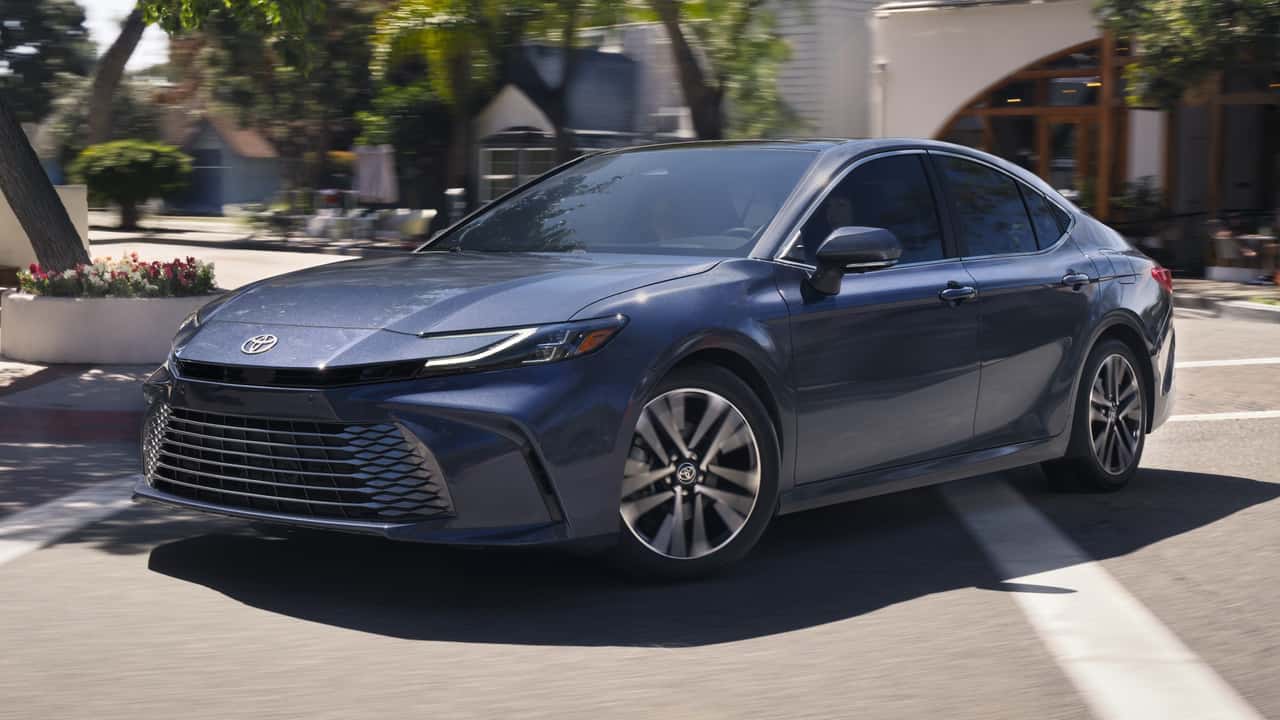
Reporting for 24x7 Breaking News, we are witnessing an unexpected automotive plot twist as the Toyota Camry and Honda Accord lead a surprise sedan comeback in 2026. For years, industry analysts predicted that crossovers and massive utility vehicles would entirely swallow the passenger car market, leaving traditional three-box configurations in the dust. Yet, shifting consumer priorities, soaring fuel economy demands, and striking new design language are breathing fresh life into the segment. As global data from sources like Reuters and Bloomberg indicates, buyers are rethinking their garage lineups in favor of sleek, aerodynamic efficiency over bulky dimensions.
- The Anatomy of a Segment Revival
- Engineering Excellence Meets Real-World Pragmatism
- Market Dynamics and Consumer Shift
- Editorial Perspective
- Frequently Asked Questions (FAQ)
- Why are sedans making a comeback in 2026?
- Are Toyota and Honda offering manual transmissions in these models?
- How does the fuel economy of these sedans compare to compact SUVs?
The Anatomy of a Segment Revival
To understand how this resurrection happened, our editorial team looked back at how the market shifted over the last few years. While vehicle preferences temporarily skewed heavily toward electric SUVs and massive crossovers, practical economics have started guiding consumer choices once again. As we previously covered in our analysis of the broader market trends where gasoline cars lose global market majority as sales fall to 49 percent, powertrain technology is diversifying rapidly. Yet, even within tightening environmental regulations, legacy automakers found ways to reinvent the classic midsize sedan.
Both Toyota and Honda doubled down on standard hybrid configurations, transforming what used to be mundane commuter pods into genuinely compelling daily drivers. The latest iteration of the Camry has dropped pure internal combustion entirely in key markets, opting exclusively for an efficient hybrid setup. Meanwhile, the Accord continues to win over critics with its refined chassis dynamics and upscale cabin materials that rival entry-level luxury competitors. Industry trackers at the Associated Press note that inventory turnover for these sedans is outpacing several popular compact crossover models for the first time since 2019.
Engineering Excellence Meets Real-World Pragmatism
When you slide behind the steering wheel of these latest-generation sedans, the engineering pedigree becomes immediately apparent. The low center of gravity provides an inherent handling advantage that towering SUVs simply cannot replicate on winding tarmac. We spent time evaluating the ride quality across broken urban pavement and high-speed interstate corridors, and the composure is striking. Body roll is virtually nonexistent during aggressive lane changes, and the suspension tuning strikes an optimal balance between highway cruising comfort and responsive cornering.
Under the hood, the powertrain integration delivers seamless acceleration without the droning engine notes that plagued older continuously variable transmissions. Furthermore, real-world fuel economy figures frequently surpass EPA estimates, routinely crossing the 50 miles-per-gallon threshold during mixed commuting cycles. This level of efficiency directly addresses the financial anxieties of everyday families facing fluctuating fuel prices. It is an impressive technological feat that proves traditional body styles can leverage modern engineering just as effectively as high-riding utility vehicles.
Market Dynamics and Consumer Shift
The resurgence of the traditional passenger car is not merely a nostalgic blip; it is a calculated response to shifting demographics and pricing pressures. As vehicle transaction prices climbed steadily over the past half-decade, buyers found themselves priced out of well-equipped midsize SUVs. Automakers capitalized on this frustration by packing these sedans with advanced driver-assistance systems, expansive infotainment screens, and premium interior touchpoints at a much lower price point. Consequently, younger buyers entering the market for the first time are bypassing crossovers entirely, viewing sedans as a smarter financial and aesthetic choice.
We must also consider how vehicle safety and security influence these purchasing decisions. Modern owners prioritize reliable daily transport that minimizes ownership friction and maintenance overhead. Interestingly, this shift parallels broader automotive security trends we have tracked elsewhere, such as why car thefts are plummeting across all 50 states this year, giving buyers greater peace of mind regarding standard factory security tech. When you combine lower insurance risk profiles with exceptional fuel economy, the financial case for a modern sedan becomes difficult to ignore.
Editorial Perspective
In our view, the unexpected triumph of the midsize sedan represents a victory for rational, user-focused design over automotive excess. For too long, the industry chased profit margins by pushing oversized, heavy vehicles onto buyers who never truly needed third-row seating or off-road ground clearance. What Toyota and Honda have accomplished demonstrates that consumers still value efficiency, driving dynamics, and sensible packaging when manufacturers put genuine effort into the product. We believe this trend signals a maturing market where buyers refuse to sacrifice driving enjoyment and economy simply to follow a fleeting design fad. Moving forward, automakers ignoring the passenger car segment do so at their own peril.
Frequently Asked Questions (FAQ)
Why are sedans making a comeback in 2026?
Sedans are surging in popularity due to exceptional hybrid fuel economy, lower relative purchase prices compared to SUVs, and superior driving dynamics.
Are Toyota and Honda offering manual transmissions in these models?
No, both brands focus exclusively on highly refined automatic and hybrid powertrains tailored for maximum efficiency and smooth commuting.
How does the fuel economy of these sedans compare to compact SUVs?
Modern hybrid sedans like the Camry and Accord routinely achieve over 50 miles per gallon, significantly outperforming comparable all-wheel-drive crossovers.
Ultimately, the Toyota Camry And Honda Accord Lead A Surprise Sedan Comeback In 2026 by proving that traditional body styles can adapt, innovate, and outshine utility vehicles where it matters most. So here is the real question for our readers — would you ditch your crossover for a modern hybrid sedan, or are you never going back to a lower seating position?
This article was independently researched and written by Hussain for 24x7 Breaking News. We adhere to strict journalistic standards and editorial independence.
Comments
Post a Comment