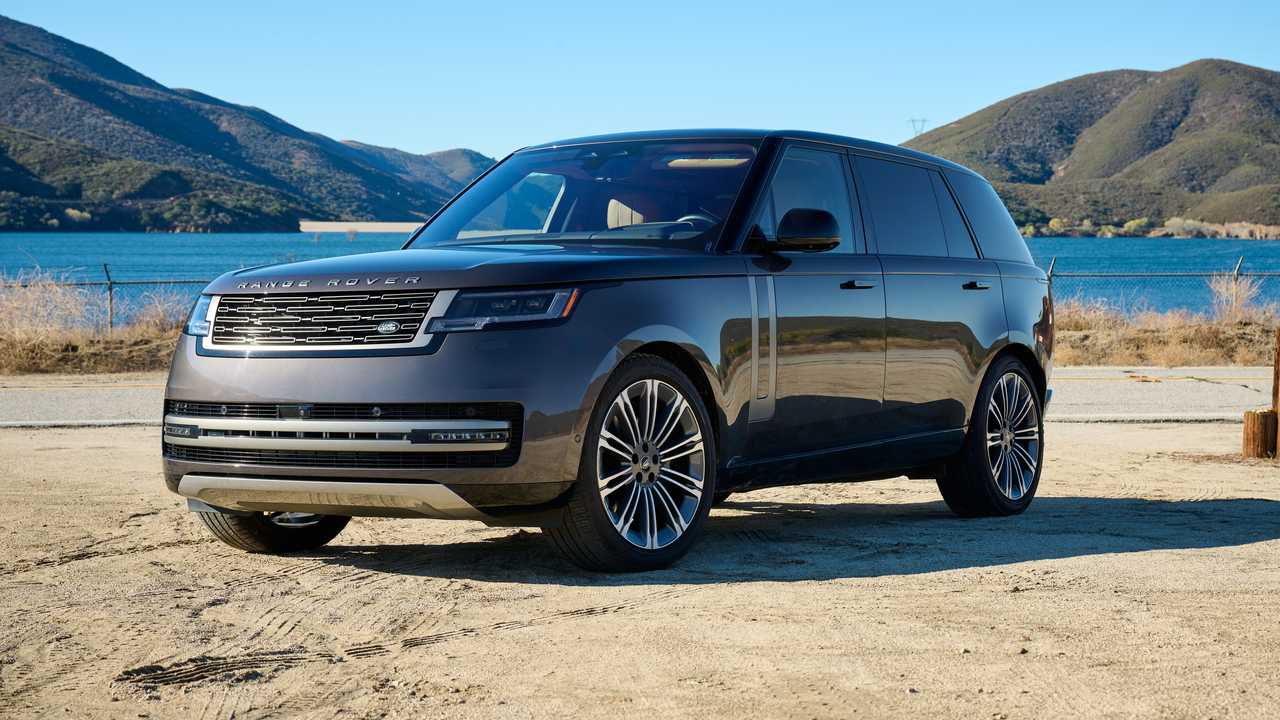
Nearly 94,000 Range Rovers are heading back to dealerships after federal safety regulators uncovered a critical software glitch that causes rearview camera displays to fail completely. In modern luxury vehicles loaded with driver-assistance technology, losing basic visibility features creates immediate risks for everyday drivers trying to navigate tight parking spaces or busy suburban driveways. As tracking data from automotive authorities shows, vehicle software dependencies continue to challenge legacy luxury brands as they pack digital electronics into complex mechanical platforms.
- Understanding the Range Rover Camera Glitch
- The Scale of the Luxury SUV Recall
- What Affected Drivers Need to Do Next
- The Counterpoint: Software Complexity vs. Consumer Expectations
- Risks, Limitations, and Safety Guidelines
- Editor's Opinion: The Price of Rolling Digital excess
- At a Glance: Key Recall Facts
- Frequently Asked Questions
- Can I fix this rearview camera glitch with an over-the-air update?
- Is it illegal to drive my vehicle while waiting for the recall service?
- Are these repairs covered under warranty?
- 93,989 vehicles are impacted across multiple model years in the current recall campaign.
- The defect involves a software error that prevents the rearview camera image from displaying upon shifting into reverse.
- Dealerships will perform a complimentary software update to resolve the display failure.
Understanding the Range Rover Camera Glitch
Automotive electronics have transformed the modern cockpit, turning the dashboard into a glass-paneled command center. However, when code fails, hardware becomes useless. In this specific recall, the electronic control unit responsible for managing infotainment and camera feeds experiences a software timeout, preventing the video stream from reaching the central touchscreen.
Federal regulations mandating backup cameras have been in place for years to prevent backup accidents involving pedestrians and unseen obstacles. When a screen stays black or freezes upon selecting reverse, drivers lose a crucial layer of situational awareness. For more automotive industry developments, you might also be interested in how Audi CEO Rally Appearance Sparks Outrage From Volkswagen Union Boss unfolds across European manufacturing facilities.
The Scale of the Luxury SUV Recall
Recalls affecting premium automakers often carry significant logistical hurdles given the complex global supply chains and high-end tech integration. Owners of affected high-end SUVs will receive official notification letters instructing them to schedule service appointments. Technicians will recalibrate or flash the vehicle software free of charge to ensure camera connectivity remains stable under all operating conditions.
While mechanical failures used to define automotive recalls, software bugs now dominate modern service bulletins. This shift highlights how traditional engineering challenges have evolved into digital debugging tasks. Meanwhile, sports fans tracking broader weekend headlines can review how the Tennessee Football Loss to South Carolina Examined by ESPN Analyst generated widespread debate across sports media.
What Affected Drivers Need to Do Next
Vehicle owners do not need to panic, but they should remain vigilant while operating their luxury cruisers in reverse until the fix is applied. Dealership service departments are prepared to process these updates quickly, though scheduling delays can occur given the sheer volume of impacted units. Drivers can verify whether their specific VIN is included by checking online safety databases provided by national transit authorities.
Maintaining clear rear visibility remains vital whether piloting a compact hatchback or a massive luxury utility vehicle. Automakers face mounting pressure from regulators to ensure that over-the-air updates or dealership flashes permanently eliminate these software anomalies before they cause physical harm.
The Counterpoint: Software Complexity vs. Consumer Expectations
Industry defenders argue that modern luxury vehicles are essentially rolling supercomputers, making minor software hiccups an inevitable byproduct of rapid technological advancement. Manufacturers deploy millions of lines of code to manage everything from suspension damping to cabin climate control, inevitably creating opportunities for bugs to slip through rigorous pre-market testing. Critics, however, maintain that core safety systems like backup cameras should operate with absolute, fail-safe reliability regardless of infotainment software complexity.
Risks, Limitations, and Safety Guidelines
Relying solely on digital camera displays can breed complacency; drivers must always check physical mirrors and look over their shoulders when reversing. This software failure does not impair the physical mechanical operation or braking capability of the vehicle, but it does remove a mandated safety aid. Owners should contact their local authorized dealer promptly upon receiving recall notices to secure appointments.
Editor's Opinion: The Price of Rolling Digital excess
In our view, the modern automotive sector has crossed a threshold where digital feature bloat outpaces core reliability engineering. Luxury buyers pay top dollar for seamless experiences, yet they repeatedly find themselves inconvenienced by recalls stemming from unpolished software. While over-the-air updates promise a frictionless future, physical service visits for basic display glitches expose the growing pains of software-defined vehicles. Automakers must prioritize bedrock reliability over flashy interface gimmicks if they want to retain long-term consumer trust.
At a Glance: Key Recall Facts
- Total Vehicles Impacted: Nearly 94,000 units.
- Core Issue: Rearview camera display failure due to software timeout.
- Remedy: Free software update performed by authorized dealers.
- Action Required: Check VIN status and schedule dealership service.
Frequently Asked Questions
Can I fix this rearview camera glitch with an over-the-air update?
Depending on the specific build configuration, some vehicles may require a direct dealership service visit to safely flash the affected control modules.
Is it illegal to drive my vehicle while waiting for the recall service?
Vehicles remain legal to drive, but drivers must exercise extreme caution and rely entirely on physical mirrors when backing up until the camera fix is installed.
Are these repairs covered under warranty?
Yes, all recall-related software updates and inspections are performed completely free of charge to vehicle owners.
Are luxury automakers pushing digital dashboard features out to consumers too quickly before software testing is fully complete?
This article was independently researched and written by Hussain for 24x7 Breaking News. We adhere to strict journalistic standards and editorial independence.
Comments
Post a Comment