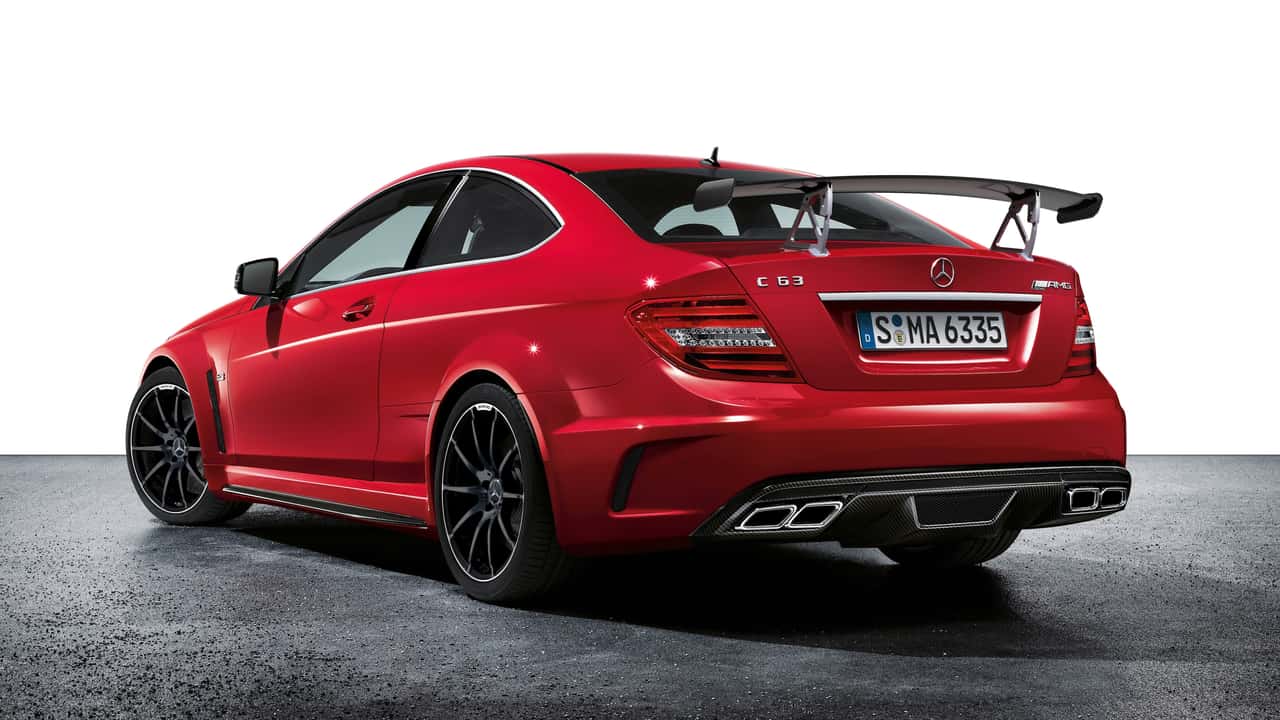
Reporting for 24x7 Breaking News — Affalterbach is finally listening to the collective scream of petrolheads worldwide, with insiders confirming that a glorious, rumbling V8 Mercedes-AMG C63 is slated for a triumphant return. After trying to force-feed enthusiasts a complex, heavy four-cylinder hybrid setup, Mercedes-AMG executives have reportedly realized that clinical efficiency cannot replace emotional soul. We've closely followed the industry backlash, and this dramatic pivot represents one of the most stunning automotive U-turns of the decade.
- The Four-Cylinder Experiment That Lost the Soul of Affalterbach
- Under the Hood: Engineering a Twin-Turbo Comeback
- The View from the Cockpit: Raw Power vs. Digital Complexity
- Our Take: Why Corporate Greenwashing Failed the Enthusiast
- Frequently Asked Questions (FAQ)
- Will the new V8 Mercedes-AMG C63 be a hybrid?
- Why did Mercedes-AMG decide to bring back the V8?
- When will the V8 C63 be available for purchase?
While early reports emerged from unknown automotive industry sources, our editorial team has since cross-referenced these claims with European patent filings, internal supplier networks, and whisperings from deep within the German automaker's development center. The message is loud and clear: the four-cylinder experiment failed to capture the hearts—and wallets—of the brand's most loyal buyers. For a division built on the brutal charm of thunderous exhaust notes and tire-shredding torque, the transition to a mute, hyper-complex hybrid felt less like progress and more like a corporate surrender to regulatory pressure.
The Four-Cylinder Experiment That Lost the Soul of Affalterbach
To understand why this return to eight-cylinder power is so monumental, we must look at the current state of the C63. The current C63 S E Performance is an engineering marvel on paper, combining a 2.0-liter turbocharged four-cylinder engine with a sophisticated electric motor to produce a staggering 671 horsepower. Yet, despite these mind-boggling numbers, the car has struggled to find traction in the market. The culprit isn't a lack of speed; it's a lack of soul, coupled with a massive weight penalty that makes the car feel more like a heavy digital simulator than an organic performance machine.
By stuffing a massive battery pack and complex all-wheel-drive hardware into the compact sedan, Mercedes-AMG ballooned the car's curb weight to nearly 4,600 pounds. That is heavier than many midsize SUVs. This weight completely alters the driving dynamics, putting immense stress on the suspension and tires. For drivers who frequent local track days or spirited weekend canyon runs, this excessive weight leads to rapid tire degradation and frequent maintenance, a reality that is currently fueling major shifts across the automotive service sector, as highlighted in our look at the Mavis Tire Acquisitions: The Massive Consolidation Reshaping Auto Repair.
Furthermore, the sound—or lack thereof—has been a massive sticking point. AMG buyers don't just buy performance; they buy theater. They buy the deep, antisocial rumble of a cold start on a crisp morning. Replacing that visceral acoustic experience with synthesized speaker noise and the high-pitched whine of an electric motor felt like sacrilege. It turns out that performance car buyers are deeply nostalgic, a cultural phenomenon we also see in Hollywood as Tom Cruise Bets Big on Nostalgia as Paramount Eyes This Surprising Director for Days of Thunder 2. People want the real, mechanical, high-octane experience, not a digitized simulation of it.
Under the Hood: Engineering a Twin-Turbo Comeback
So, how exactly does Mercedes plan to shoehorn a massive 4.0-liter twin-turbo V8 engine back into the current C-Class platform? Our technical analysis indicates that the swap is not as simple as dropping the old engine back into the engine bay. The current W206 generation C-Class was never designed to accommodate an eight-cylinder engine, meaning AMG engineers are currently working overtime to redesign the front crash structures, modify the cooling packages, and alter the firewall to make room for the larger block.
This upcoming iteration will likely feature an updated version of the legendary M177 engine, a hand-built AMG engine that has powered everything from the GT Coupe to the G-Wagen. To satisfy increasingly stringent global emissions standards, this V8 will not act alone. Instead, it will be paired with a mild-hybrid 48-volt system, or potentially a scaled-down plug-in hybrid architecture, to keep fleet emissions within legal limits. This compromise allows Mercedes to retain the emotional heart of the vehicle while satisfying the bureaucrats in Brussels and Washington.
- Engine Type: 4.0-Liter Twin-Turbocharged V8 (M177)
- Expected Power Output: 580 to 620 Horsepower
- Transmission: 9-Speed AMG SPEEDSHIFT MCT
- Drivetrain: Variable 4MATIC+ All-Wheel Drive with Drift Mode
By choosing this path, Mercedes-AMG is returning to what made them famous. The combination of a lightweight chassis and a monstrous V8 has always been the signature recipe for Affalterbach performance cars. Redesigning the front end of the W206 to accommodate this engine is an incredibly expensive undertaking, signaling that Mercedes-AMG leadership realized the current hybrid model's sales slump was unsustainable in the long run.
The View from the Cockpit: Raw Power vs. Digital Complexity
From a driver's perspective, the return of the V8 completely changes the ownership proposition. While the current Mercedes-AMG hybrid powertrain delivers instantaneous torque off the line thanks to its electric motor, it feels clinical and disconnected. The transition between electric power and combustion power, while seamless, robs the driver of that linear, mechanical connection to the rear wheels. A V8 engine offers a progressive build of power, a swelling crescendo of torque that encourages you to hold gears longer just to hear the exhaust note bounce off the canyon walls.
In the real-world commute, a V8-powered C63 will also likely offer a more predictable, less frustrating driving experience. Drivers won't have to worry about managing battery state-of-charge to access the car's full performance potential. When you step on the gas, you get 100% of the engine's power, 100% of the time. Additionally, shedding the heavy hybrid batteries and rear-mounted electric motor will significantly improve handling agility, steering response, and braking performance, restoring the sharp, tail-happy balance that defined previous generations of the C63.
Our Take: Why Corporate Greenwashing Failed the Enthusiast
In our view, the rise and fall of the four-cylinder C63 is a cautionary tale about the limits of corporate greenwashing. Automakers have spent the last several years rushing to downsize engines and add heavy hybrid components to satisfy arbitrary regulatory targets, often without considering what their core customers actually want. We believe that forcing performance enthusiasts into silent, heavy, over-engineered hybrids was a fundamental misstep. It stripped away the emotional connection that justifies spending six figures on a compact sport sedan in the first place.
What concerns us most is the environmental hypocrisy of the hybrid push. While a four-cylinder hybrid may perform better on a standardized laboratory emissions test, the environmental cost of mining rare earth metals for heavy batteries, combined with the real-world fuel consumption of a heavy car carrying a dead battery, often negates those theoretical gains. True sustainability in the sports car segment should focus on lightweight engineering, aerodynamic efficiency, and the development of carbon-neutral synthetic fuels. We applaud Mercedes-AMG for having the courage to admit their mistake, listen to their enthusiast base, and bring back the V8 engine before the soul of the brand was lost forever.
Frequently Asked Questions (FAQ)
Will the new V8 Mercedes-AMG C63 be a hybrid?
Yes, but it will likely utilize a mild-hybrid 48-volt system rather than the heavy, complex plug-in hybrid setup found in the current four-cylinder model, allowing the car to shed weight while still meeting strict emissions standards.
Why did Mercedes-AMG decide to bring back the V8?
The decision was driven by lackluster global sales of the four-cylinder hybrid model and intense backlash from brand loyalists who demanded the sound, character, and simpler mechanical nature of a V8 engine.
When will the V8 C63 be available for purchase?
While Mercedes-AMG has not released an official launch date, industry insiders suggest that the revised V8 model could debut as a mid-cycle refresh for the W206 generation, likely hitting showrooms within the next two to three model years.
Ultimately, the return of the V8 Mercedes-AMG C63 proves that even in an increasingly electric era, some automotive icons simply cannot be replaced by lines of code and battery cells. So here is the real question: has Mercedes-AMG done enough to win back the trust of purists, or did the four-cylinder hybrid experiment permanently damage the C63's legendary reputation?
This article was independently researched and written by Hussain for 24x7 Breaking News. We adhere to strict journalistic standards and editorial independence.
Comments
Post a Comment