The Engineering Logic Behind Shared Fuel Lines
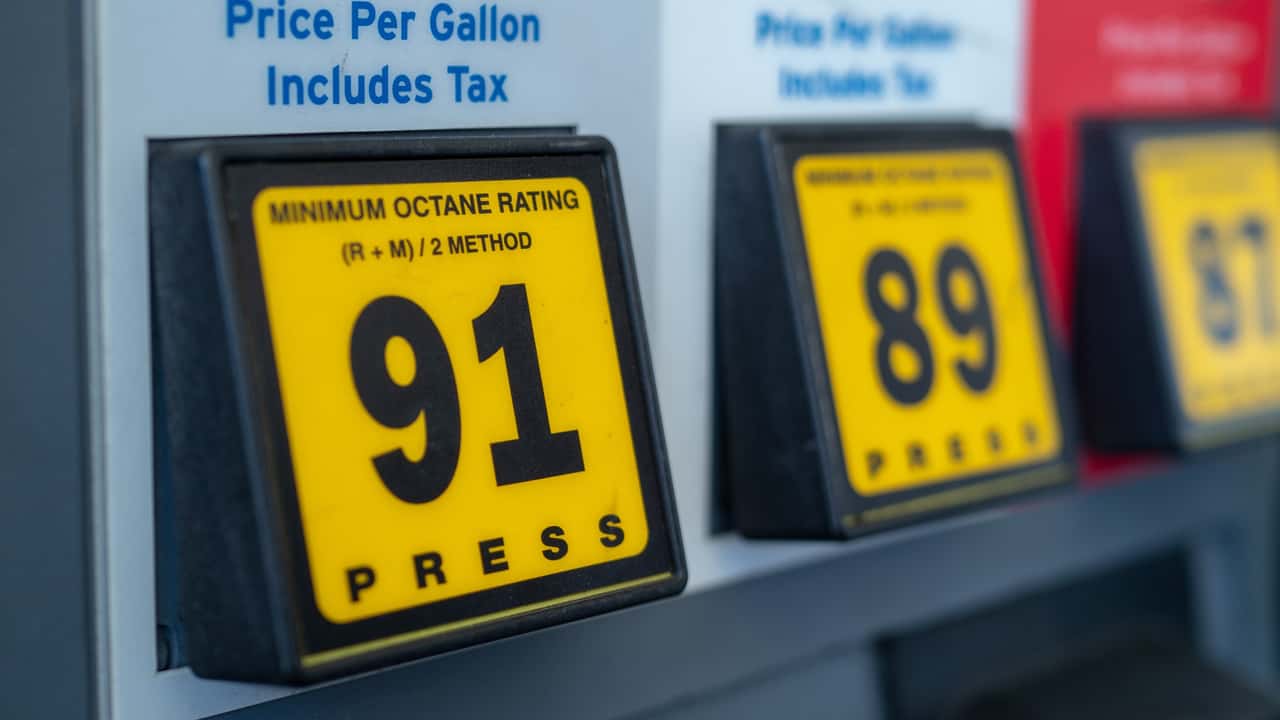
Reporting for 24x7 Breaking News, our investigation into the curious architecture of the modern gas station reveals a standard practice that often leaves drivers scratching their heads. You pull up to the pump, select your preferred octane level—regular, mid-grade, or premium—and yet you notice that the station only provides two physical hoses for your vehicle. How is it possible to dispense three distinct fuel grades through a dual-hose system without compromising the purity of the chemistry in your tank?
- The Engineering Logic Behind Shared Fuel Lines
- The Economics of Infrastructure and Convenience
- Our Take: The Invisible Friction of Consumer Convenience
- Frequently Asked Questions (FAQ)
- Why do gas stations have three buttons but only two hoses?
- Does the fuel left in the hose affect my engine performance?
- Are there any health or safety concerns with shared fuel hoses?
We consulted with petroleum industry engineers to understand the mechanics of these multi-grade fuel dispensers. The secret lies in a sophisticated internal blending valve system. Rather than storing three separate tanks for every single pump, stations utilize a process called 'in-pump blending.' When you select mid-grade, the dispenser pulls a precise ratio of regular and premium fuel from the underground storage tanks and mixes them inside the unit just before the fluid enters your vehicle.
This engineering feat is a marvel of efficiency, though it does raise questions about the residual fuel capacity within the hose. According to industry experts, about a cup of fuel remains in the hose after each transaction. This means the first few ounces of your fill-up might technically be a mixture of the previous customer's purchase and your own. While this rarely affects the engine performance of standard vehicles, it is a fascinating quirk of the infrastructure that powers our daily commutes.
The Economics of Infrastructure and Convenience
As we examine this at 24x7 Breaking News, it becomes clear that this design is not merely about space-saving, but about the massive capital expenditure required for underground storage. Excavating and maintaining three or four separate fuel lines for every pump would drastically increase the overhead for station owners. The shift toward shared lines is a direct response to the rising costs of land and environmental compliance standards in the United States.
This development mirrors the broader shifts we are seeing in the automotive world, where efficiency and space optimization are becoming the primary drivers of design. Much like the transition discussed in our deep dive into The New Dodge Charger SRT: Mopar’s Electric Performance Gamble, the industry is constantly trying to reconcile legacy systems with modern demands. Whether it is the electrification of muscle cars or the internal plumbing of a gas station, the goal remains the same: maximizing output while minimizing the physical footprint.
Our Take: The Invisible Friction of Consumer Convenience
In our view, the standard gas station model is a dying relic of the 20th century that is being stretched to its absolute limit. We believe that the reliance on these complex, shared-hose systems is a symptom of a larger, systemic problem: our refusal to aggressively pivot away from fossil fuel infrastructure. While the blending valve is a clever engineering solution, it is ultimately a band-aid on a system that requires significant, costly maintenance to remain functional.
What concerns us most is the lack of transparency regarding the quality of the fuel we are actually purchasing. When you pay a premium for high-octane gas, you expect purity. Knowing that your tank is potentially starting off with a leftover 'cocktail' from the previous driver's fill-up—even if the impact is negligible—highlights the inherent compromises we accept as consumers. We advocate for more standardized, transparent, and modern refueling solutions as we continue to transition toward cleaner energy alternatives. The status quo is convenient, but it is not necessarily what the modern driver deserves.
Frequently Asked Questions (FAQ)
Why do gas stations have three buttons but only two hoses?
- Stations use in-pump blending valves to combine regular and premium fuel at the point of sale to create mid-grade, allowing them to reduce the number of required underground lines and hoses.
Does the fuel left in the hose affect my engine performance?
- The amount of fuel remaining in the hose is typically less than a cup and is diluted significantly by the gallons of fuel that follow, making the impact on engine performance virtually non-existent for the average vehicle.
Are there any health or safety concerns with shared fuel hoses?
- Modern fuel dispensers are designed with vapor recovery systems and safety shut-offs to ensure that cross-contamination is minimized and fuel handling remains safe for the average consumer.
The reality of the shared fuel line system is that it serves as a testament to the ingenuity of modern logistics, even if it feels outdated compared to the rapid evolution of electric vehicle technology. We must continue to question the infrastructure that supports our cars as much as we scrutinize the vehicles themselves. Would you be willing to pay more for a dedicated hose system if it guaranteed 100% fuel purity, or is the current 'blended' reality good enough for your daily driver?
This article was independently researched and written by Hussain for 24x7 Breaking News. We adhere to strict journalistic standards and editorial independence.
Comments
Post a Comment