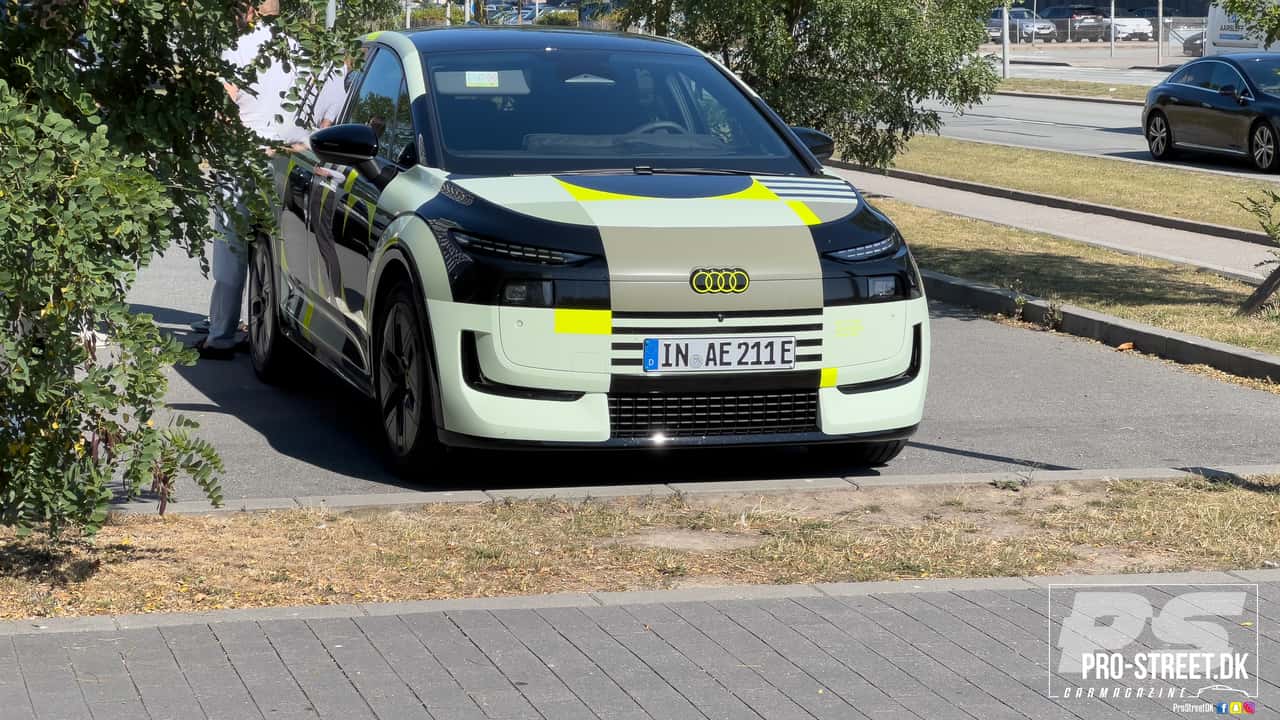
A Bold Departure from the Traditional Hatchback
Reporting for 24x7 Breaking News, we have finally caught a glimpse of the Audi A2 reborn without its heavy camouflage, and the automotive world is taking notice. The original A2, an aluminum-intensive experiment from the late 90s, was a polarizing masterpiece of efficiency. This new iteration seems determined to capture that same spirit of unconventional design while embracing the inevitable shift toward an electric-first future.
- A Bold Departure from the Traditional Hatchback
- Engineering for the Modern Commuter
- The Competitive Landscape of Urban EVs
- Our Take: A Necessary Pivot or Risky Gamble?
- Frequently Asked Questions (FAQ)
- What is the primary range target for the new Audi A2?
- When will the production version be unveiled?
- Will the new A2 use an all-electric powertrain?
We first came across reports of this development via unknown industry sources, and the visual evidence suggests Audi is doubling down on its 'funky' heritage. The silhouette is unmistakably A2, featuring a high roofline and a stubby, efficient stance. Unlike the angular, aggressive designs currently dominating the segment, this model prioritizes internal volume and aerodynamic drag reduction, which is critical for extending the range of its electric powertrain.
Engineering for the Modern Commuter
Under the hood—or rather, beneath the chassis—the new A2 platform represents a significant leap forward in battery-electric vehicle (BEV) architecture. While official specs remain under tight wraps, our editorial team understands that Audi is targeting a compact, high-density battery configuration that maximizes legroom for all four passengers. This is a classic hallmark of the A2 legacy, where clever packaging often outperformed larger, more traditional rivals.
The suspension geometry appears tuned for the tight, unpredictable nature of metropolitan driving. We expect to see a multi-link rear setup that balances agility with the composure needed for long-distance highway cruises, a common pain point for entry-level electric cars. The integration of 800-volt charging architecture could be the real differentiator here, potentially allowing for 10% to 80% charge times that rival the current industry leaders in the compact segment.
The Competitive Landscape of Urban EVs
In the current market, the A2 sits in a fascinating position. It isn't just fighting for market share against other premium European hatchbacks; it is competing with the growing trend of ultra-compact urban commuters. If the pricing strategy aligns with premium-economy expectations, it could pressure legacy competitors to rethink their own design languages. This move toward a more retro-futuristic aesthetic mirrors other shifts we have seen across the industry, such as the Lamborghini Revuelto SV, which also leans heavily into its brand's performance heritage while updating the tech beneath the skin.
We must consider the broader context of manufacturing sustainability. As the EU pushes for stricter regulations on retail waste and production transparency, as seen in the recent EU ban on destroying unsold clothes, the automotive sector is under similar scrutiny. The new A2 is rumored to utilize a significant percentage of recycled materials in its interior, signaling Audi’s attempt to lead the sector in circular manufacturing processes.
Our Take: A Necessary Pivot or Risky Gamble?
In our view, the return of the Audi A2 is exactly what the stagnant compact market needs. For too long, manufacturers have focused on cramming massive, heavy SUVs into city centers that simply weren't built for them. The original A2 was a car ahead of its time, suffering from high production costs that didn't align with the consumer appetite of the early 2000s. Today, the climate has shifted; consumers are desperate for space-efficient, premium-quality electric vehicles that don't sacrifice style for utility.
We believe Audi’s willingness to embrace a 'funky' design is a calculated risk. It acknowledges that the A2 isn't for everyone—it’s for the urbanite who values engineering brilliance over superficial aggression. If they can nail the price point and the software experience—an area where even industry giants have struggled, as seen with recent challenges in AI-driven development—this car could define the next decade of premium city transit. It’s a bold, humanitarian approach to mobility that prioritizes the city dweller over the highway status symbol.
Frequently Asked Questions (FAQ)
What is the primary range target for the new Audi A2?
While official EPA ratings are pending, industry insiders expect the A2 to offer a competitive real-world range between 250 and 300 miles, optimized for urban efficiency.
When will the production version be unveiled?
Audi has not provided a definitive date, but analysts are pointing toward a late 2026 or early 2027 global reveal, followed by a phased market rollout.
Will the new A2 use an all-electric powertrain?
Yes, the platform is designed exclusively for electric propulsion, moving away from the internal combustion engines that powered the original 1999 model.
Ultimately, the Audi A2 reborn represents a fascinating intersection of nostalgia and cutting-edge technology, proving that small cars still have a massive role to play in our electric future. Do you think the market is ready to embrace a return to the high-roof, ultra-efficient city car, or has the consumer preference for SUVs permanently killed the compact hatch?
This article was independently researched and written by Hussain for 24x7 Breaking News. We adhere to strict journalistic standards and editorial independence.
Comments
Post a Comment